
Maxine Brown (country singer)
Maxine Brown (1931–2019) was an American country vocalist, best known as a member of the sibling trio The Browns. She recorded in the 1950s–60s, briefly pursued solo work and retired from music in 1968.
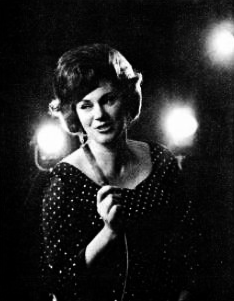
Overview
Maxine Brown (April 27, 1931 – January 21, 2019) was an American singer who performed primarily in the country music tradition. Born in Campti, Louisiana, she rose to prominence as one of the three members of the harmony trio known as The Browns. The group's smooth vocal blend and gentle arrangements helped them cross over from country charts into broader popular audiences in the late 1950s and early 1960s.
Image gallery
1 Image
Career and recordings
With her siblings she achieved national recognition through radio, television appearances and recording sessions. The Browns were particularly noted for their rich three-part harmonies and for songs that appealed to both country and pop listeners. After several years of group success, Maxine recorded as a solo artist for a short period before leaving the music business; she formally retired from active performing in 1968.
Style and musical role
Maxine's voice contributed a clear, warm middle harmony that became a defining element of the trio's sound. The Browns favored straightforward, melodic material with restrained accompaniment, allowing vocal blend and lyrical storytelling to be central. Their repertoire mixed traditional country themes with ballads that found wider radio play.
Personal life, later years and death
Born in Campti, Louisiana, Maxine remained associated with the American South throughout her life. In later years she lived away from the spotlight. She died on January 21, 2019, in Little Rock, Arkansas, from complications related to heart disease and kidney disease, at the age of 87. The city where she was born is noted in many biographical accounts as the starting point of her musical journey: Campti, Louisiana, and her final residence was in Little Rock, Arkansas.
Legacy and recognition
Though she stepped away from performing before the later decades of country-pop crossover, Maxine Brown's work with The Browns left a lasting impression on harmony singing in country music. The trio's recordings continue to be cited as examples of tight familial harmony and tasteful, restrained production. Their success helped open doors for other crossover country acts and remains a touchstone in mid-20th-century American country history.
Related articles
Author
AlegsaOnline.com Maxine Brown (country singer) Leandro Alegsa
URL: https://en.alegsaonline.com/art/63038
Sources
- cmt.com : "About the Browns"
- wsmv.com : "Country musician Maxine Brown of The Browns dies at 87"