
Maxim Gorky (Aleksei Maksimovich Peshkov) — Russian and Soviet writer
Maxim Gorky (Aleksei Maksimovich Peshkov, 1868–1936) was a Russian and Soviet novelist, playwright and public intellectual, known for gritty social realism, works like Mother and The Lower Depths, and his cultural influence.
Maxim Gorky was the pen name of Aleksei Maksimovich Peshkov, a leading figure of Russian and early Soviet literature. Born in 1868 and dying in 1936, Gorky became known for his depictions of poverty, labour and human resilience. His Russian name is recorded as Алексей Максимович Пешков. He chose the pen name "Gorky" (meaning "bitter") to signal the moral seriousness and often harsh tones of his fiction.
Image gallery
10 Images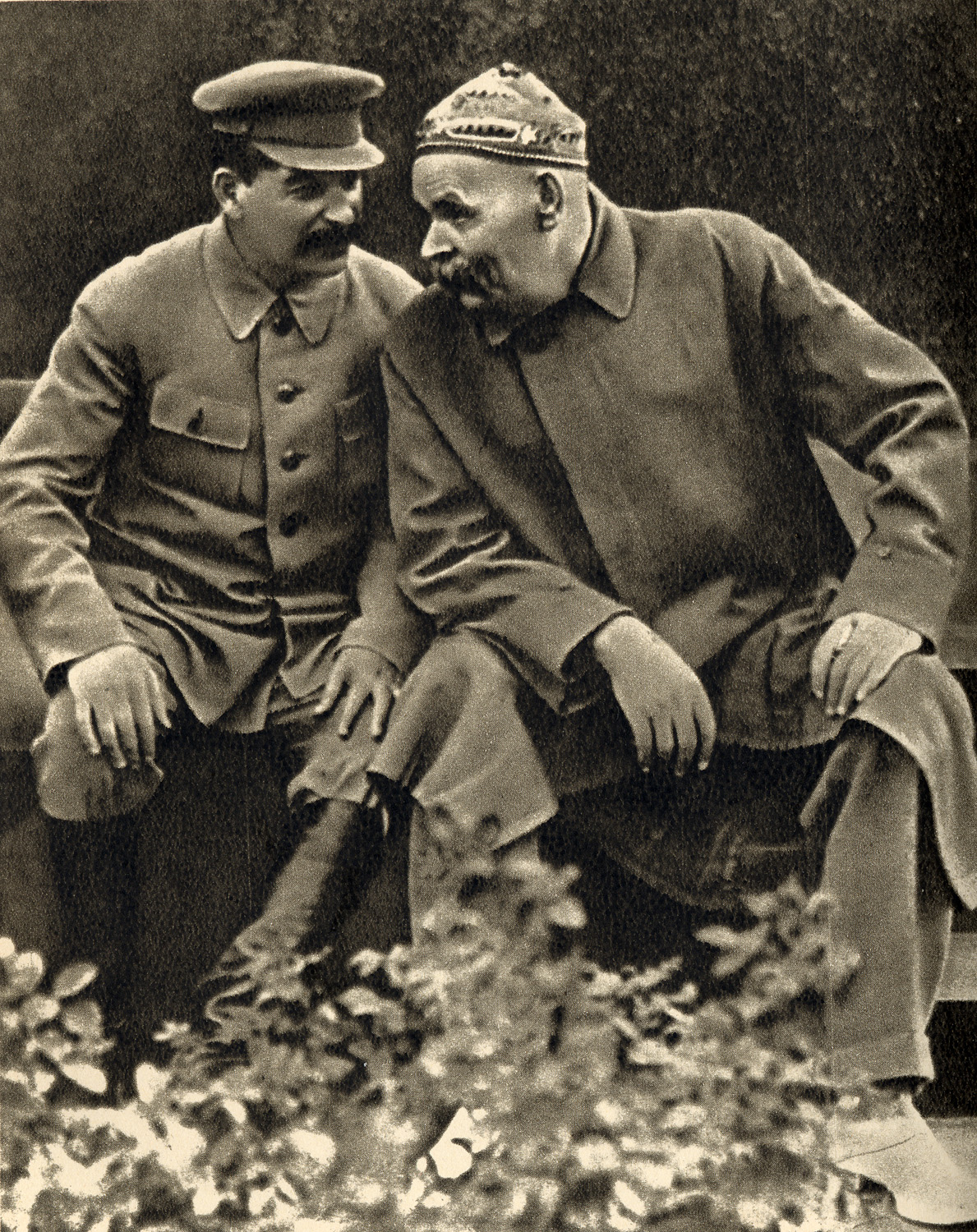
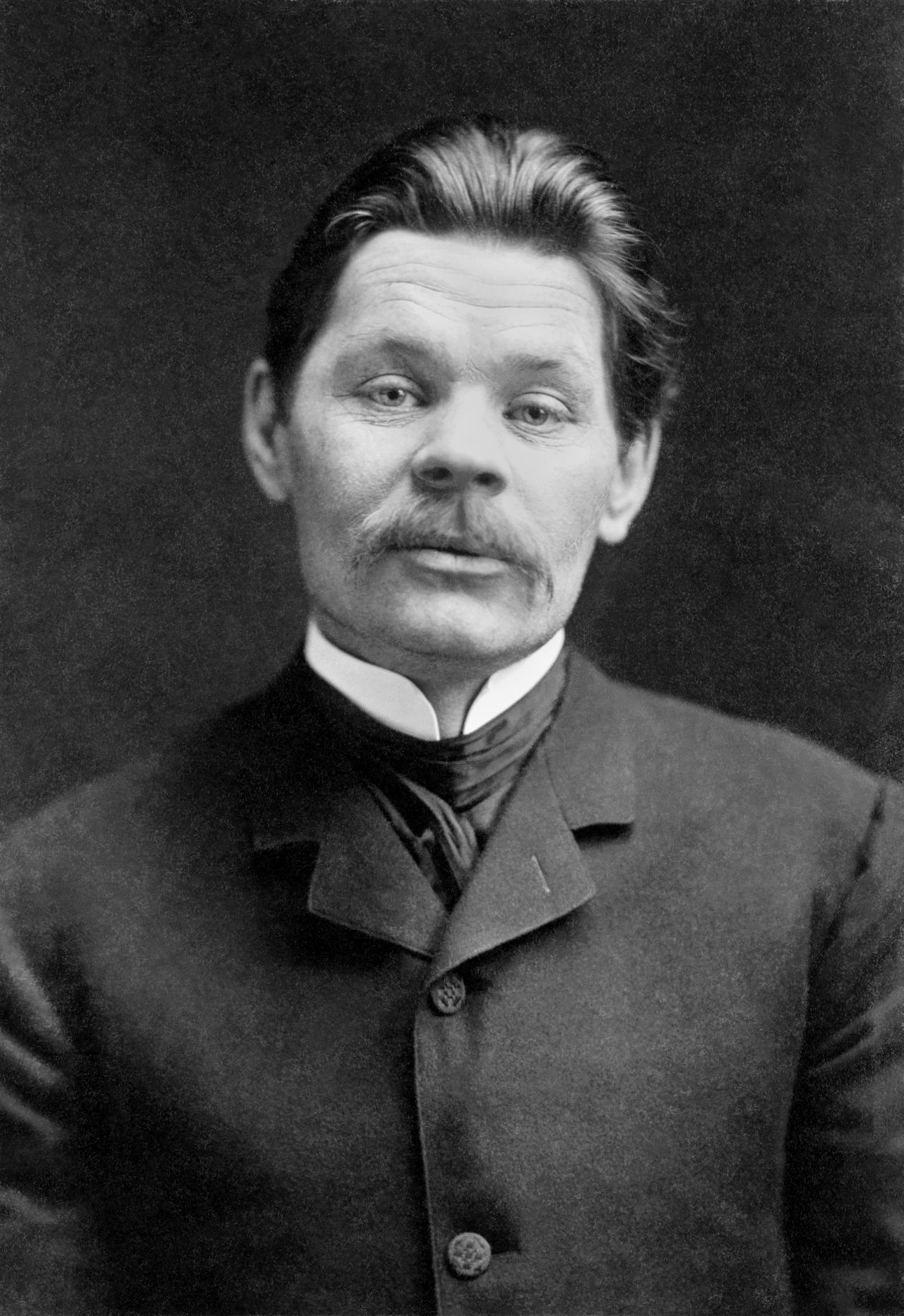


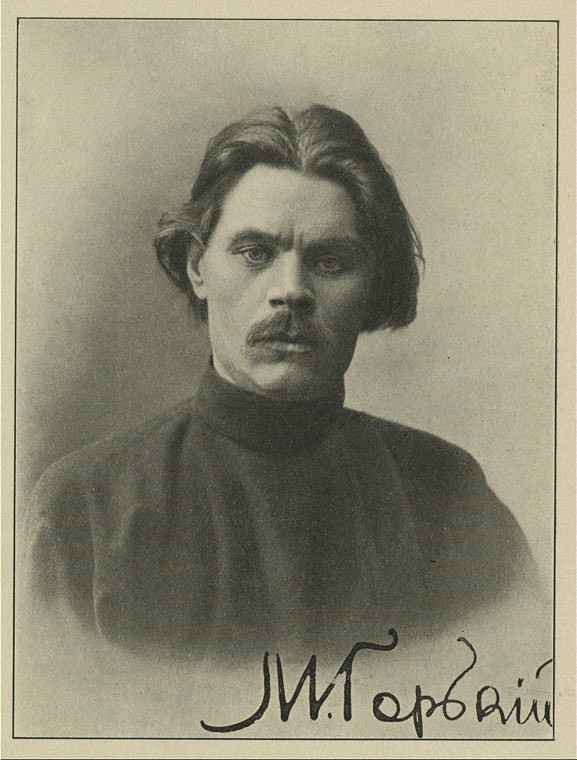
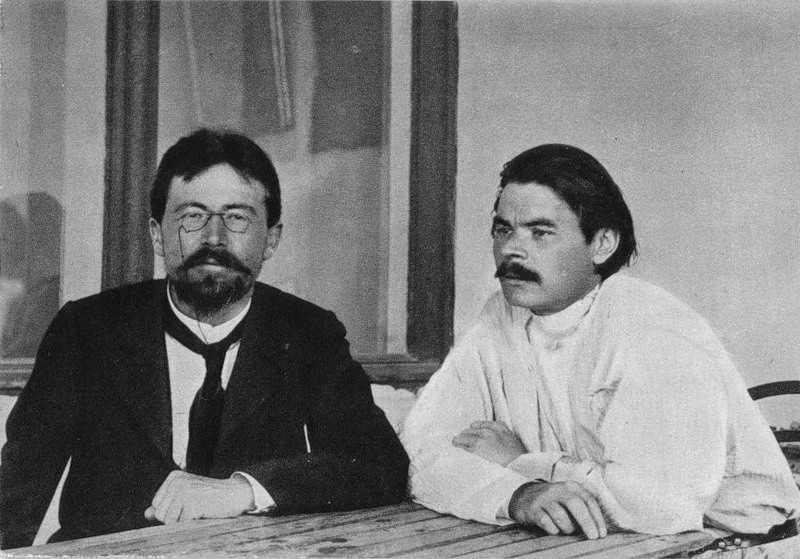

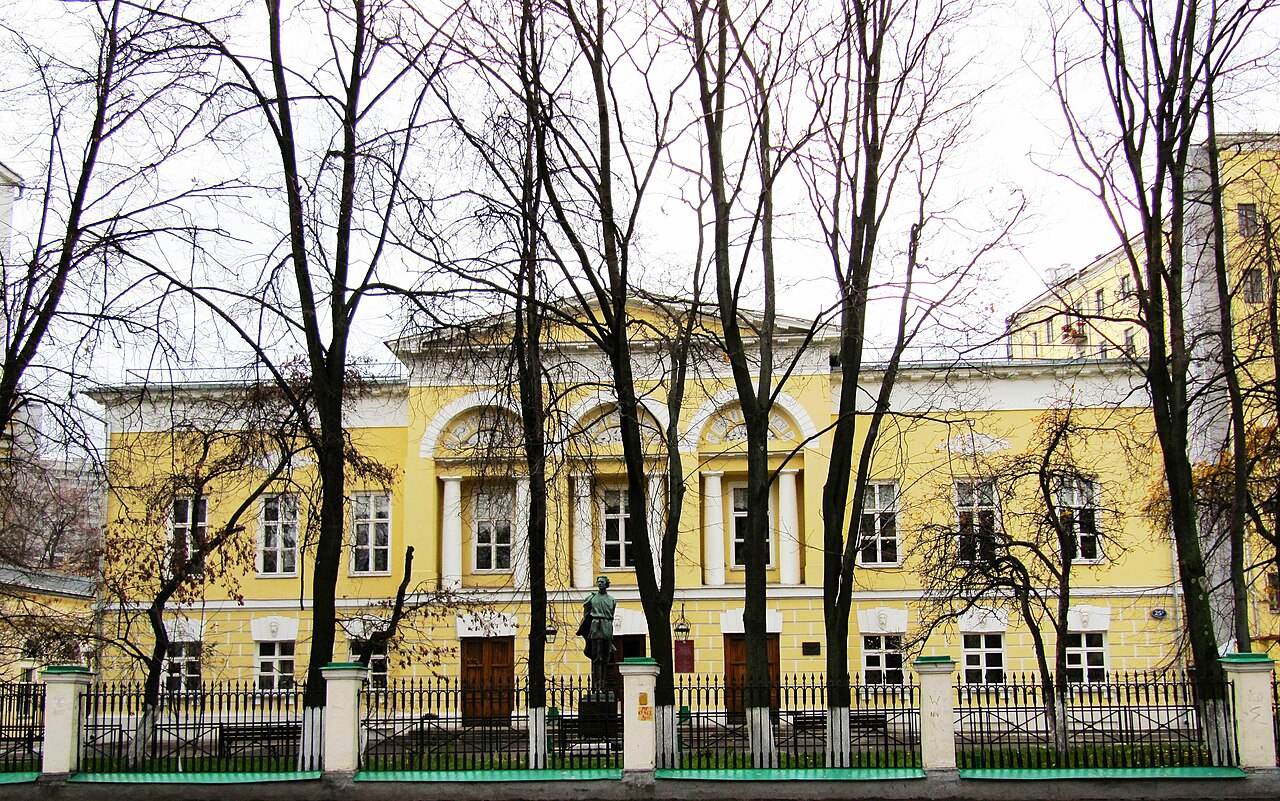

Early life and development
Raised in difficult circumstances after the early death of his parents, Gorky left home as a teenager and worked at a range of manual trades, including factory and seafaring jobs. Those experiences provided material for his early short stories and autobiographical sequences, written with a direct, plainspoken style. His autobiographical trilogy, often translated as Childhood, My Apprenticeship and My Universities, illustrates the formation of his social and literary conscience.
Exile, politics and return
Politically engaged from the late 19th century, Gorky sympathized with social reform and became a public intellectual who spoke for the poor. He spent significant periods abroad—most notably on the island of Capri—between 1906–1913 and again from 1921–1929, living for extended periods outside the newly established Soviet state. He also had deep roots in Russian cultural life and maintained complex relations with political authorities. After his final return he largely accepted Soviet cultural policies, while remaining a distinctive voice within the official literary sphere.
Major works and themes
Gorky wrote novels, plays and numerous short stories. His best-known works include the play The Lower Depths, the novel Mother—often read as a landmark of politically engaged fiction—and his autobiographical writings. His prose favors concentrated social observation, vivid dialogue and sympathy for marginalized people. These features made his work influential for later movements associated with social and state-oriented literary practice.
Influence and legacy
Beyond his texts, Gorky played an active role in publishing, mentoring younger writers and shaping cultural institutions. He is often cited as an important early influence on the direction of socialist realism and on debates about the social purpose of literature in the 20th century. Scholarly assessments have varied over time: some emphasize his pioneering realist method and moral commitment, others stress the compromises and compromises of an artist working under a revolutionary regime.
For more on his life and works see archival records and critical studies linked by name and place: biographical records, context in the Soviet period, broader Russian literary context, his years on Capri and the cultural setting of Italy.
Related articles
Author
AlegsaOnline.com Maxim Gorky (Aleksei Maksimovich Peshkov) — Russian and Soviet writer Leandro Alegsa
URL: https://en.alegsaonline.com/art/63027