
Maurice Wilkes (1913–2010)
British computer scientist Sir Maurice Wilkes led early stored‑program computer development at Cambridge, introduced microprogramming and shaped British computing through research, teaching and laboratory leadership.
Maurice Vincent Wilkes (26 June 1913 – 29 November 2010) was a British computer scientist widely recognized for leading some of the earliest practical work on stored‑program computers. Born in Dudley, in historic Worcestershire, he spent most of his career at the University of Cambridge where his research and management helped establish modern computing in the United Kingdom.
Image gallery
4 Images
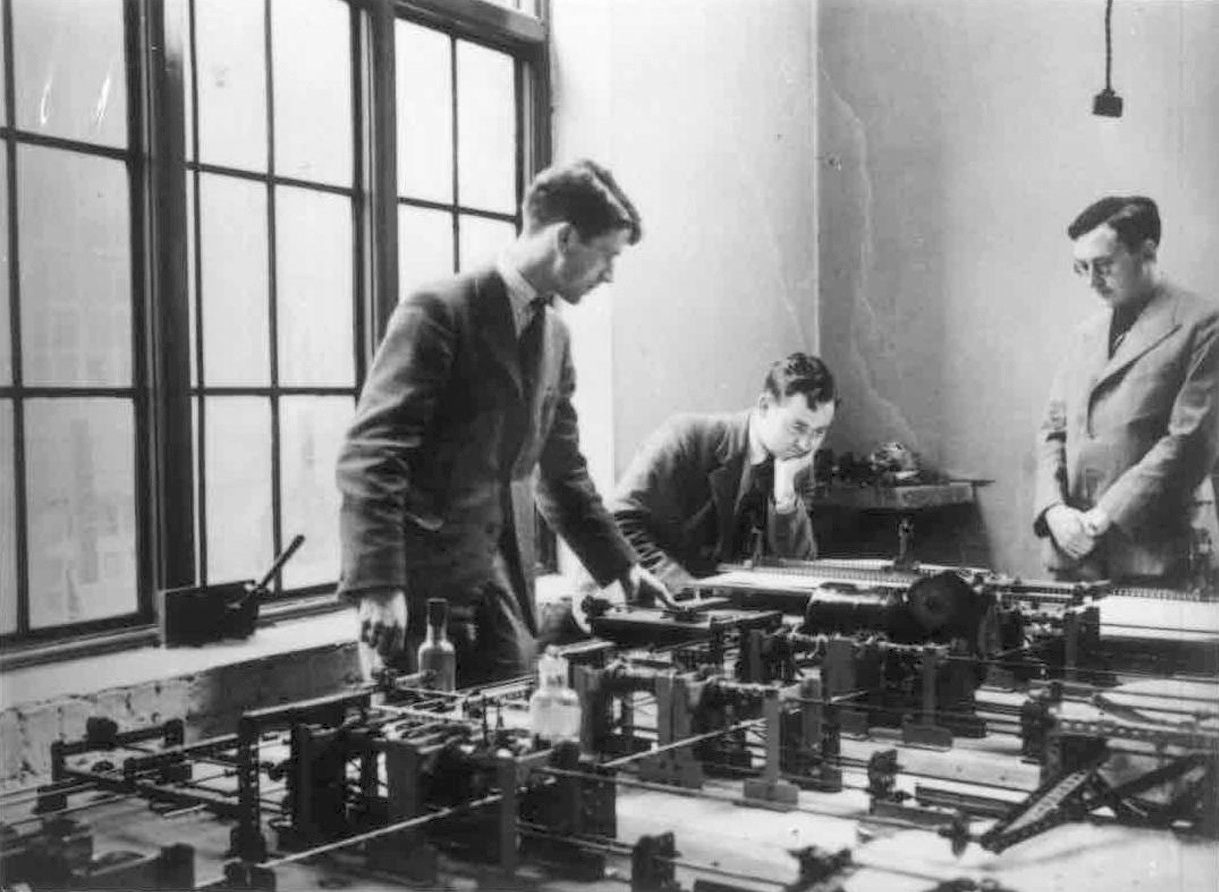


Overview
Wilkes combined experimental engineering with theoretical insight. His team built one of the first operational stored‑program machines and he introduced major architectural ideas that simplified processor design and influenced later computer systems. He is often described as a leading figure in early British computing and an influential teacher and laboratory director.
Major contributions
- EDSAC and early computers: Under his direction the Cambridge Mathematical Laboratory completed EDSAC (Electronic Delay Storage Automatic Calculator), an early practical stored‑program computer used from the late 1940s to run scientific applications and to demonstrate reliable computer operation.
- Microprogramming: In the early 1950s Wilkes proposed microprogramming as a technique to implement CPU control logic using small, stored programs; this approach made control design more systematic and was widely adopted in subsequent computer architectures.
- Software and pedagogy: He emphasized the importance of software, libraries and programming techniques and trained generations of researchers and engineers who carried computing forward.
Wilkes published widely on design principles and experiences from building early machines, helping to transform computing from ad hoc hardware experiments into a reproducible engineering discipline. He also played a central role in organizing computing activities at Cambridge and beyond.
Legacy and recognition
His influence endures in architectural concepts and in the institutions he led. He was honored throughout his life for his contributions to computing and held prominent academic positions. His work with EDSAC and his microprogramming idea remain cited examples in histories of computer architecture and engineering education. For further reading on his projects and writings see resources about early British computing and the history of EDSAC.
Wilkes’s career illustrates the transition from bespoke experimental machines to general‑purpose computers and software practice. His balance of practical construction, conceptual clarity and mentorship helped shape modern computer science as both a laboratory and a scientific discipline. Additional context on his life and work is available through specialist histories and institutional archives of computing at Cambridge and elsewhere; see curated sources for technical details and archival material (computer scientist biographical resources).
Related articles
Author
AlegsaOnline.com Maurice Wilkes (1913–2010) Leandro Alegsa
URL: https://en.alegsaonline.com/art/62972
Sources
- topnews.us : "Professor Sir Maurice Wilkes – the 'father' of British computing"
- bcs.org : "Sir Maurice Wilkes: 1913 to 2010"