
Max Bygraves — British entertainer and television presenter
Biography of Max Bygraves (1922–2012), a British singer, comedian, actor and host best known for variety work and presenting Family Fortunes in the 1980s.
Max Bygraves (Walter William Bygraves, 16 October 1922 – 31 August 2012) was a British entertainer whose career spanned stage, radio, recordings, film and television. Best known for a warm, approachable performing style, he became a familiar figure on British variety bills and family television from the post‑war era into the late 20th century. His work combined singing, light comedy and a conversational hosting manner that appealed to wide audiences.
Image gallery
1 Image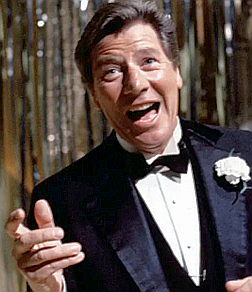
Early life and career beginnings
Bygraves was born in Rotherhithe, London. He began performing locally before establishing himself in variety theatre — the circuit of music halls and seaside shows that shaped many mid‑century British performers. Throughout his early career he moved between live appearances and broadcasts, developing a repertoire of songs and patter that made him popular with audiences who sought gentle humour and singalong material.
Stage, recordings and broadcasting
Over several decades Bygraves recorded popular and novelty songs, appeared on radio programmes and toured regularly. His recorded output and live shows reinforced a genial persona: unthreatening, direct and often nostalgic. He also adapted to changing media, making the transition from music‑hall stages to televised variety shows, which extended his visibility beyond live audiences.
Television, film and Family Fortunes
Bygraves worked as an actor in films and television series in addition to his variety work. He is widely remembered as the host of the UK game show Family Fortunes, which he presented from 1983 to 1985, bringing his characteristic warmth to a mainstream daytime audience. His television roles reflected the crossover nature of mid‑century entertainers who combined comic turns with singing and light acting.
Personal life and later years
Bygraves married Gladys Murray in 1942 and the couple remained together until her death in 2011; they had one daughter. In later life he lived in Australia for a period and continued to make occasional appearances. He died on 31 August 2012 in Hope Island, Queensland, after a period of illness; he was 89.
Legacy and significance
As a representative figure of the British variety tradition, Bygraves exemplified an era when performers worked across stage, radio, records and television. Critics and audiences often noted his easygoing delivery and ability to connect with family audiences. Today he is remembered both for his recordings and for bringing a music‑hall sensibility to mainstream television.
- Born: Rotherhithe, London — see local context: Rotherhithe.
- Nationality and background: England — British performing culture of the 20th century.
- Television role: presenter and entertainer — television and variety presenter, hosted Family Fortunes.
- Later life and passing: moved to and died in Queensland — Hope Island, Australia.
- Health: later years affected by Alzheimer's disease.
For further reading and archival material consult dedicated biography pages and broadcast archives. The different phases of Bygraves's career illustrate how mid‑20th century entertainers adapted from live music‑hall formats to record sales and mass‑market television, maintaining public profiles across generations.
Questions and answers
Q: Who was Max Bygraves?
A: Max Bygraves was a British talk show host, singer, movie and television actor, and comedian.
Q: How long did Max Bygraves host Family Fortunes?
A: Max Bygraves hosted Family Fortunes from 1983 to 1985.
Q: When and where was Max Bygraves born?
A: Max Bygraves was born on October 16, 1922, in Rotherhithe, London, England.
Q: Who was Max Bygraves married to?
A: Max Bygraves was married to Gladys Murray from 1942 until her death in 2011.
Q: Did Max Bygraves have any children?
A: Yes, Max Bygraves had a daughter.
Q: When and where did Max Bygraves die?
A: Max Bygraves died on August 31, 2012, in Hope Island, Queensland, Australia.
Q: How did Max Bygraves die?
A: Max Bygraves died from Alzheimer's disease at the age of 89.
Related articles
Author
AlegsaOnline.com Max Bygraves — British entertainer and television presenter Leandro Alegsa
URL: https://en.alegsaonline.com/art/63002
Sources
- bbc.co.uk : "Veteran entertainer Max Bygraves dies"