
Mawlid an‑Nabi: Celebration of the Prophet Muhammad’s Birth
Mawlid an‑Nabi commemorates the birth of the Prophet Muhammad. Observance, date and customs vary widely across the Muslim world; some mark it as a public holiday while others do not.
Mawlid an‑Nabi is the annual commemoration of the birth of the Islamic prophet Prophet Muhammad. The name comes from the Arabic word mawlid (or mawlid, mawlūd), meaning "birth". Observance and practice vary by community: many Muslims view it as a time for praise, religious education and communal charity, while other Muslims consider formal celebration an unwarranted innovation.
Image gallery
10 Images


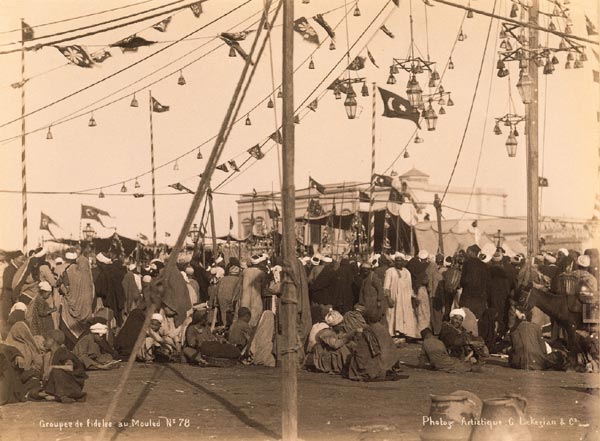
When and how it is observed
The date follows the Islamic lunar calendar and most Sunni communities mark Mawlid on the 12th day of Rabiʽ al‑Awwal. Some groups and regions observe other days, and calendars differ because the lunar year shifts relative to the solar year. Typical activities include public sermons about the Prophet's life, recitation of religious poetry and scripture, communal meals and distribution of alms to the poor.
Common customs
- Public processions and gatherings for recitation of Qur'an and nasheeds (religious songs).
- Scholarly lectures and storytelling about the Prophet’s character and teachings.
- Decorating homes and mosques, preparing shared meals and giving charity.
- Regional variations: in Turkey and the Balkans the event is sometimes called Mevlid; in South and Southeast Asia it may be known as Milad or Maulid.
These practices blend religious reflection with local cultural expressions. In some Sufi and traditional Sunni contexts Mawlid is an occasion of spiritual renewal; in other places it is primarily cultural or civic, with parades, lights and public holidays.
Historical development and debate
Celebrating the Prophet’s birthday has historical roots in the medieval period, with documented ceremonies becoming prominent in parts of the Muslim world from about the 11th century onward and later obtaining official recognition by some states, including Ottoman rulers. The festival has also been debated: conservative reform movements, especially those influenced by Wahhabi or Salafi thought, typically discourage Mawlid as a religious innovation, while many scholars and communities defend it as a legitimate expression of love and remembrance.
Today Mawlid is an officially observed public holiday in many Muslim‑majority countries, though a few states do not mark it as such; for example, it is not a public holiday in Saudi Arabia. Whatever the local form, the day remains widely important as a focal point for teaching about the Prophet’s life and for community gatherings that emphasize charity, remembrance and moral example.
Related articles
Author
AlegsaOnline.com Mawlid an‑Nabi: Celebration of the Prophet Muhammad’s Birth Leandro Alegsa
URL: https://en.alegsaonline.com/art/62995