
Masaoka Shiki: Meiji-era reformer of haiku and modern Japanese verse
Masaoka Shiki (1867–1902) was a Japanese poet, critic and journalist who modernized haiku and tanka through realism and the 'sketch from life' approach, leaving a lasting influence on 20th-century Japanese poetry.
Masaoka Shiki (正岡子規, 1867–1902) was the pen-name of Masaoka Tsunenori, a prominent Japanese writer, critic and journalist of the Meiji era. As a child he was called Noboru. His choice of pen-name and the order of family and given names can be seen in the context of Japanese naming conventions; in those terms the family name is Masaoka and his given name at birth was Tsunenori, often recorded as Masaoka followed by the personal name.
Image gallery
2 Images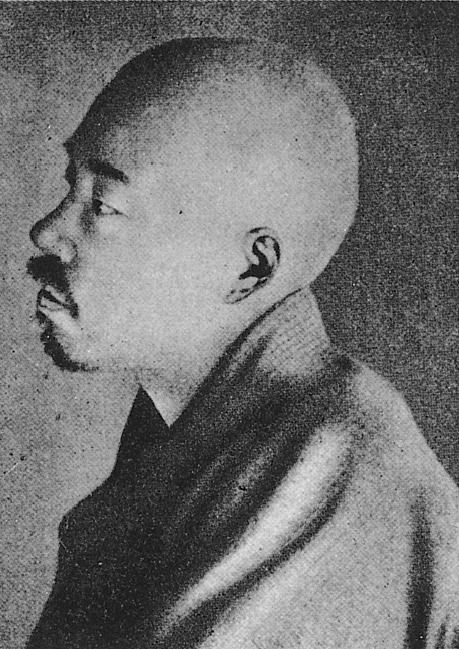

Overview of work and roles
Shiki combined several literary roles: he was an author of essays and personal writing, a reforming poet, an influential literary critic, and an active journalist. He lived during the Meiji period, a time when Japan was rapidly modernizing and literary forms were under intense discussion and revision.
Contributions to poetry
Shiki is best known for reshaping haiku and tanka. Rejecting some of the academic rules and excessive sentimentality of older schools, he promoted a method called shasei — often translated as "sketching from life" — urging poets to record direct observation and concrete detail rather than formulaic imagery. He argued for clarity, brevity, and fidelity to actual experience, and his criticism helped move short-form Japanese poetry toward modern sensibilities.
Activities and influence
Beyond his own verses, Shiki published essays and reviews that taught new standards of composition and judgement. He used literary journals and personal correspondence to mentor younger poets; several leading 20th-century haiku figures acknowledged his influence. He also edited and contributed to periodicals that became forums for the modern haiku movement, helping to institutionalize changes in both theory and practice.
Life, illness and legacy
Shiki’s career was shortened by serious illness in his thirties. Despite declining health, he continued to write and innovate, producing critical work and poems that emphasized observation and restraint. He died in 1902 at the age of thirty-five. Because of his practical reforms and clear critical voice, Shiki is frequently credited with laying the foundations of modern haiku and reshaping the way short Japanese verse was taught and composed.
Notable facts
- Pen-name: "Shiki" (子規) carries literary and natural associations and was the signature under which he published.
- He advocated shasei — sketching directly from life — as a central compositional principle.
- His work bridged traditional forms and modern literary criticism, influencing successive generations.
- He wrote across genres: criticism, journalism, haiku and tanka, strengthening both practice and pedagogy.
For readers seeking introductory material or bibliographic entry points, consult basic references on Japanese literary history and modern haiku anthologies that discuss Shiki’s essays and collected poems.
Related articles
Author
AlegsaOnline.com Masaoka Shiki: Meiji-era reformer of haiku and modern Japanese verse Leandro Alegsa
URL: https://en.alegsaonline.com/art/62586