
Martinism: Christian mystical tradition of reintegration
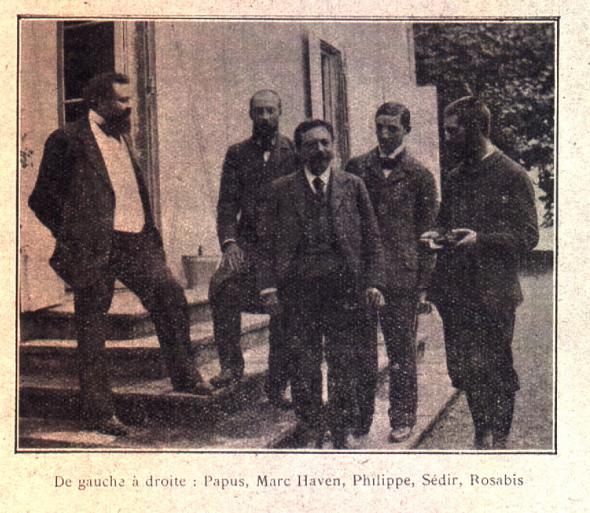
Martinism is a Western Christian mystical current focused on the fall of humankind and its return to divine unity (Reintegration), historically linked to 18th‑century French theurgy and later contemplative streams.
Overview
Martinism is a Western esoteric current rooted in Christian language and symbols that centers on the idea of a primordial fall from a divine state and a progressive return to that original unity, often called "Reintegration" or illumination. It is practiced within a range of groups and orders rather than as a single church. Historically Martinism combines theological reflection, symbolic ritual, and personal spiritual work. Early descriptions often present it as a form of Christian mysticism drawing on Biblical images together with Hermetic and Kabbalistic themes.
Image gallery
5 Images



History and development
The movement emerged in mid‑18th‑century France. A central founder figure is the charismatic teacher Martinez de Pasqually, who established an initiatory system that included ceremonial theurgy and a detailed cosmology. Two of his best‑known disciples pursued different emphases: Louis Claude de Saint‑Martin promoted an inward, contemplative path and published philosophical works under the name "The Unknown Philosopher," while Jean‑Baptiste Willermoz adapted Pasqually's ideas into masonic frameworks and reform movements. Over the 19th and 20th centuries Martinist ideas were revived in several lodges and societies across Europe and beyond.
Core beliefs and practices
Although forms vary, common themes are:
- a cosmology of fall and return in moral and metaphysical terms;
- a conviction that human transformation is both inward (moral, contemplative) and— in some branches—assisted by ritual theurgy;
- a structure of initiation or degrees in many organizations, intended to guide spiritual progress.
Practices range from silent meditation, prayer, and ethical self‑examination to liturgical and ceremonial work in orders that preserve Pasqually's theurgical rites. Some Martinist streams emphasize study and philosophical reflection rather than overt ritual.
Distinctive features and influence
Martinism is distinctive for its synthesis of Christian devotional language with esoteric techniques and a strong focus on the idea of reintegration. It influenced, and was influenced by, broader currents in Western esotericism—such as Kabbalah, Rosicrucianism and certain masonic rites—without forming a unified doctrinal body. That variety means descriptions must distinguish between Pasqually's ceremonial theurgy, Saint‑Martin's inward mysticism, and Willermoz's masonic adaptations.
Modern context
Today Martinist orders and study groups continue to operate in various countries. They vary widely in emphasis and openness: some present themselves as charitable, philosophically oriented societies, while others retain secretive, initiatory structures. As with many esoteric traditions, scholarship and reliable contemporary sources are useful for separating historical fact from later mythologizing.
Related articles
Author
AlegsaOnline.com Martinism: Christian mystical tradition of reintegration Leandro Alegsa
URL: https://en.alegsaonline.com/art/62402
Sources
- scribd.com : Treatise on the Reintegration of Beings Into Their Original Estate, Virtues and Powers Both Spiritual and Divine