
Mass (liturgy) — Western Christian celebration of the Eucharist
The Mass is the principal Western Christian rite for celebrating the Eucharist, practiced in Roman Catholic, Old Catholic, Anglo‑Catholic Anglican and some Lutheran communities; it includes readings, prayers and consecration.
Overview
The Mass is the name commonly given to the celebration of the Eucharist in Western Christian liturgical practice. It is a communal rite that centers on thanksgiving, the proclamation of scripture, the consecration of bread and wine, and the distribution of communion. While the term is most closely associated with the Roman Catholic Church, it is also used by other churches that retain historic western liturgy.
Image gallery
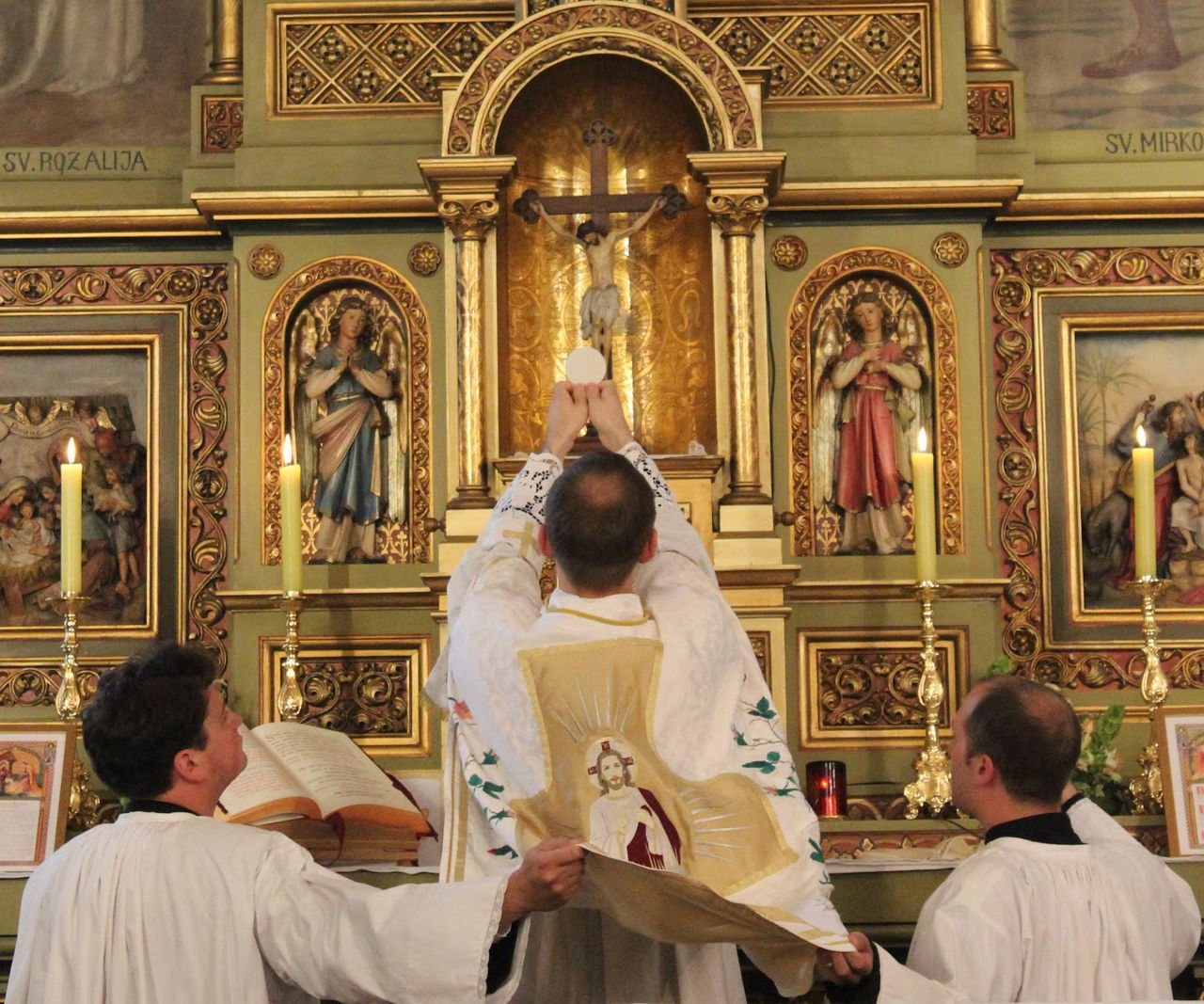
10 Images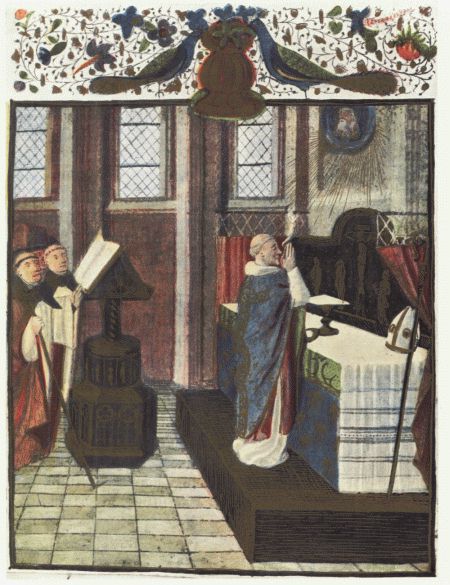





Structure and principal elements
Most forms of the Mass follow a broadly similar sequence: introductory rites, readings from Scripture, a homily, the Eucharistic prayer (which contains the consecration), the communion rite, and concluding rites. Common elements include a penitential act, a sung or spoken acclamation, the Lord’s Prayer, and prayers of thanksgiving. Musical settings, responses, and ritual gestures vary by tradition and local custom.
Typical components
- Introductory rites — greeting, penitential act, Kyrie, Gloria where appointed.
- Liturgy of the Word — readings, psalm, Gospel, homily.
- Eucharistic liturgy — offertory, Eucharistic prayer, consecration.
- Communion rite — Lord’s Prayer, breaking of the bread, communion, postcommunion prayer.
- Concluding rites — blessing and dismissal.
Theology of the presence
Different communities understand the result of the consecration in distinct theological terms. In Roman Catholic theology the doctrine traditionally called transubstantiation describes a change in the bread and wine; many Anglicans and Old Catholics speak of a real presence in ways that allow a range of formulations; some Protestant traditions emphasize a sacramental or commemorative understanding. All share the central belief that the Eucharistic celebration is a privileged encounter with Christ for the gathered community.
History and development
The ritual has roots in the meals and prayers of the early Christian communities and the Last Supper narrative. Over centuries Western rites became more elaborate and regionally distinct. Reform movements and councils sought both to standardize some forms and to allow pastoral adaptation; in the 20th century many churches introduced vernacular language, renewed liturgical texts, and increased lay participation while preserving core elements of the rite.
Denominational use and terminology
The designation "Mass" is used in Roman Catholic practice and by churches that share its western liturgical heritage, including some Old Catholic Churches and communities within the Anglo‑Catholic tradition of Anglicanism. Many Lutheran churches use the term as well (Lutheran) and in parts of northern Europe—particularly Scandinavian and Baltic countries—the local Lutheran Eucharistic service is commonly called the Mass. Eastern Christian communions typically use the term "Divine Liturgy" for their analogous rite.
Practice, music and vesture
Masses range from simple weekday celebrations to elaborate sung liturgies with chant, polyphony and incense. Ministers commonly include a presiding priest or bishop, deacons, and servers; specific vestments and ceremonial actions mark the solemnity of the occasion. Practices such as eucharistic reservation, adoration, and preparatory fasting vary by tradition and pastoral discipline.
Ecumenical and cultural significance
Beyond its sacramental role, the Mass structures the liturgical year, shapes communal identity, and has been a focus of ecumenical dialogue. Shared elements of the rite have supported common prayer and mutual recognition among some churches while doctrinal differences about the Eucharist remain important in interchurch relations.
Questions and answers
Q: What is Mass?
A: Mass is the term used to describe celebration of the Eucharist in the Western liturgical rites of the Roman Catholic Church, Old Catholic Churches, in the Anglo-Catholic tradition of Anglicanism, and in some largely High Church Lutheran regions.
Q: What other names are used for Mass?
A: In Scandinavian and Baltic countries, the Lutheran Eucharistic service is also known as "the Mass".
Q: Where does Mass take place?
A: Mass takes place in the Western liturgical rites of the Roman Catholic Church, Old Catholic Churches, in the Anglo-Catholic tradition of Anglicanism, and in some largely High Church Lutheran regions.
Q: Who celebrates Mass?
A: The Roman Catholic Church, Old Catholic Churches, members of the Anglo-Catholic tradition of Anglicanism, and those from some largely High Church Lutheran regions celebrate Mass.
Q: Is there a difference between a regular Eucharistic service and a Mass?
A: Yes. A regular Eucharistic service may not be referred to as a 'Mass', while a special form of Eucharistic celebration that follows certain liturgical rules can be referred to as 'Mass'.
Q: Are there any differences between how different religions celebrate mass?
A: Yes. Different religions have their own unique ways of celebrating mass according to their own traditions.
Related articles
Author
AlegsaOnline.com Mass (liturgy) — Western Christian celebration of the Eucharist Leandro Alegsa
URL: https://en.alegsaonline.com/art/62670
Sources
- newadvent.org : The Liturgy of the Mass
- vatican.va : Pope Benedict XVI, Sacramentum caritatis, 51