
Mary, mother of Jesus: life, legacy, and religious significance
Mary (Maryam) is the mother of Jesus in the Bible and the Qur'an. This article summarizes her life in scripture, major doctrines, devotional practices, historical sources, and differences across traditions.
Mary is a central figure in Christianity and is also honored in Islam. Known in many languages as Mary, Maryam or Miriam, she is described in the Christian scriptures as the mother of Jesus. Her story appears primarily in the New Testament portions of the Bible, and her name is preserved across traditions: in Arabic as Maryam, in the Septuagint as Μαριάμ and related forms, in Greek as Μαρία/Μαριάμ, and in Syriac as Maryam.
Image gallery
10 Images
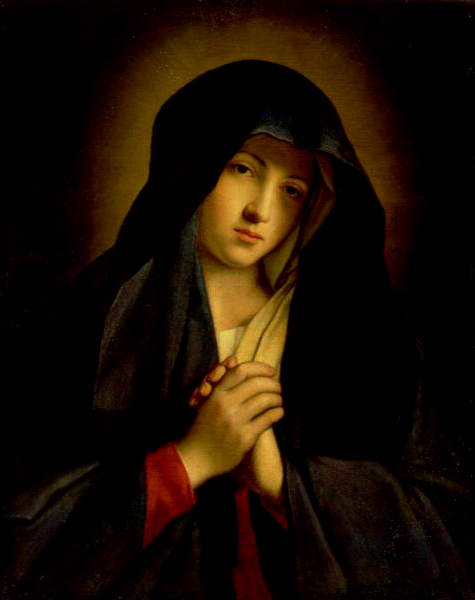

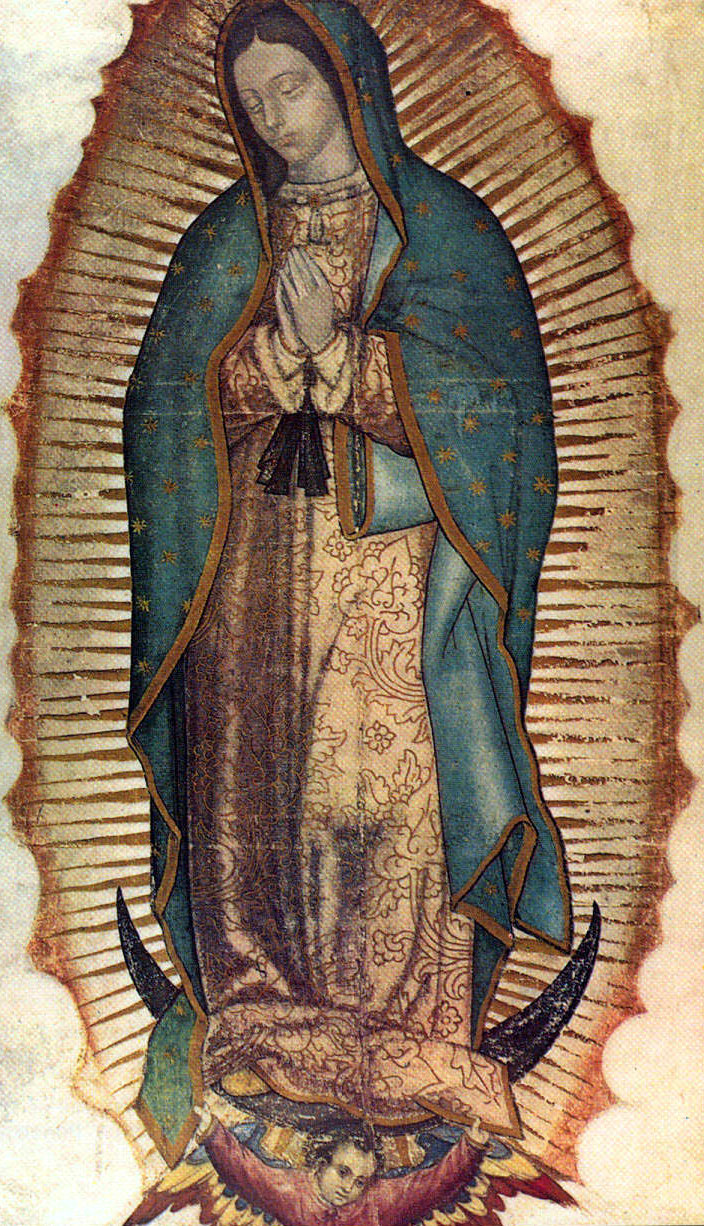




Scriptural accounts and themes
The Gospels of Matthew and Luke provide the most detailed narratives about Mary in the Christian canon. They describe the annunciation, her acceptance of a unique calling to bear Jesus, and episodes from his infancy and early life. Christian teaching emphasizes the virginal conception of Jesus and Mary's role in his upbringing. These narrative elements have shaped centuries of theology and devotion.
Doctrine, titles, and devotion
Different Christian traditions assign varied theological meanings and honors to Mary. Eastern Orthodox and Roman Catholic churches use titles such as Theotokos ("God-bearer") and celebrate feasts focused on her life. The Roman Catholic Church defines doctrines like the Immaculate Conception and the Assumption, while many Protestant communities honor Mary as Jesus' mother without accepting those specific dogmas. Popular devotional practices include the Rosary, Marian hymns, and pilgrimages to sites associated with Mary.
History, apocrypha, and Islamic perspective
Early Christian writings outside the canonical gospels, notably the Protoevangelium of James, influenced later traditions about Mary's infancy, marriage, and perpetual virginity. Mary also appears in Islamic scripture and piety: the Qur'an and Muslim tradition revere Maryam as the mother of Isa (Jesus) and dedicate an entire chapter to her name. Artistic representations, icons, and liturgical commemorations developed across cultures from late antiquity onward.
- Common titles: Virgin Mary, Theotokos, Blessed Virgin, Our Lady.
- Key feasts: Annunciation, Nativity of Mary, Assumption/Dormition, Immaculate Conception.
- Sources: Gospel accounts in the New Testament, later apocryphal writings, and liturgical tradition.
Mary's role remains a point of theological emphasis and cultural expression: she is a subject of prayer, art, and scholarship, and a figure whose significance is interpreted differently across Christian denominations and other faiths.
For further reading, consult canonical texts and reputable surveys of Christian doctrine and Islamic references to Jesus and scripture.
Questions and answers
Q: Who is Mary in Abrahamic religions?
A: Mary was the mother of Jesus in Abrahamic religions.
Q: What is the meaning of the Judeo-Aramaic name Maryām?
A: Maryām means "Bitter" in Judeo-Aramaic.
Q: What is Mary's name in Arabic?
A: Mary's name in Arabic is مريم (Maryam).
Q: In which part of the Bible is Mary's story told?
A: Mary's story is told in the New Testament of the Bible.
Q: What is Mary's name in the Septuagint Greek language?
A: Mary's name in the Septuagint Greek language is Μαριαμ (Mariam) or Μαρια (Maria).
Q: What is the name for Mary in the Syriac language?
A: Mary is known as Mart Maryam in the Syriac language.
Q: Is Mary an important figure in Abrahamic religions?
A: Yes, Mary is an important figure in Abrahamic religions as she is the mother of Jesus.
Related articles
Author
AlegsaOnline.com Mary, mother of Jesus: life, legacy, and religious significance Leandro Alegsa
URL: https://en.alegsaonline.com/art/62479
Sources
- commons.wikimedia.org : Virgin Mary
- usccb.org : "The Gospel of Luke"