
Martha Graham: Pioneer of American Modern Dance
Martha Graham (1894–1991) was an American modern dancer and choreographer who developed the Graham technique and reshaped 20th‑century dance through a lifetime of performance, teaching, and choreography.
Overview
Martha Graham was an influential American modern dance pioneer and choreographer. Born in Pittsburgh, Pennsylvania, she became one of the most important figures in dance during the twentieth century. Over a creative career that spanned seven decades, Graham produced a substantial repertoire, led a prominent company and school, and received major national honors including the Presidential Medal of Freedom. She was also noted as the first dancer invited to perform at the White House.
Image gallery
6 Images



Technique and style
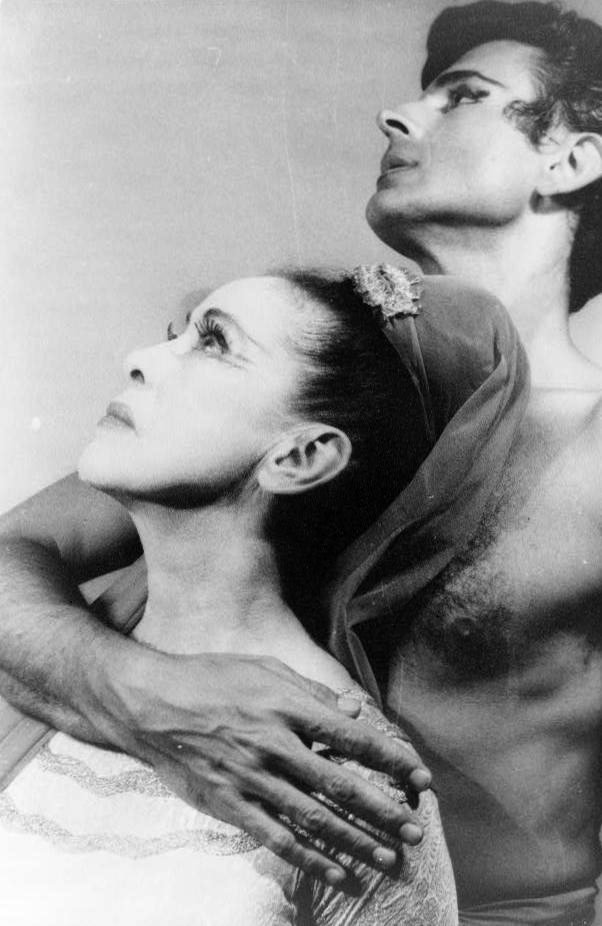
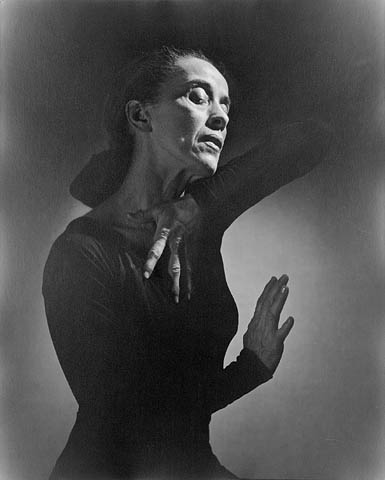
Graham developed a characteristic movement vocabulary that foregrounds the torso and breath. Often called the Graham technique, its signature elements include contraction and release, percussive articulation, strong grounding, and expressive use of the pelvis and spine. Rather than the upright, balletic line common in earlier concert dance, Graham’s work emphasized emotional intensity, psychological themes, and sculptural shapes that isolate body parts for dramatic effect.
Career and notable works
After early training with teachers associated with the Denishawn school, Graham founded her own company and school in New York. Her career combined performance, choreography, teaching and collaborations with composers, designers and writers. Notable choreographies include:
- Appalachian Spring (collaboration with composer Aaron Copland)
- Lamentation (a compressed, emotionally concentrated solo)
- Errand into the Maze and Cave of the Heart (works that draw on myth and psychology)
Influence and legacy
Graham’s approach reoriented modern dance toward a theatrical, emotionally direct art form and influenced generations of dancers and choreographers. Her company served as a training ground for many performers who later became teachers and creators in their own right. Critics have likened her impact on dance to the influence of major innovators in other arts; her repertory continues to be studied and performed worldwide.
Life and final years
Graham remained active well into later life. She died on April 1, 1991, at age ninety-six from pneumonia. Her work and institution endure through the Martha Graham Dance Company and the Martha Graham School, which keep her technique and major pieces in the public repertoire.
Related articles
Author
AlegsaOnline.com Martha Graham: Pioneer of American Modern Dance Leandro Alegsa
URL: https://en.alegsaonline.com/art/62311