
Modern dance: origins, techniques, and role in contemporary performance
Modern dance is a 20th‑century concert dance form that emphasizes individual expression, innovative technique, and theatrical performance distinct from classical ballet.
Overview
Modern dance is a broad category of concert dance that emerged around the turn of the 20th century as an alternative to the conventions of classical ballet. The term "modern" in this context does not simply mean "recent" but marks a historical movement and aesthetic that championed personal expression, new movement vocabularies, and experimentation with space, time and gravity. Modern dance companies and schools often resemble ballet institutions in organization, yet their repertory and technical priorities differ markedly.
Image gallery
7 Images



Characteristics and technique
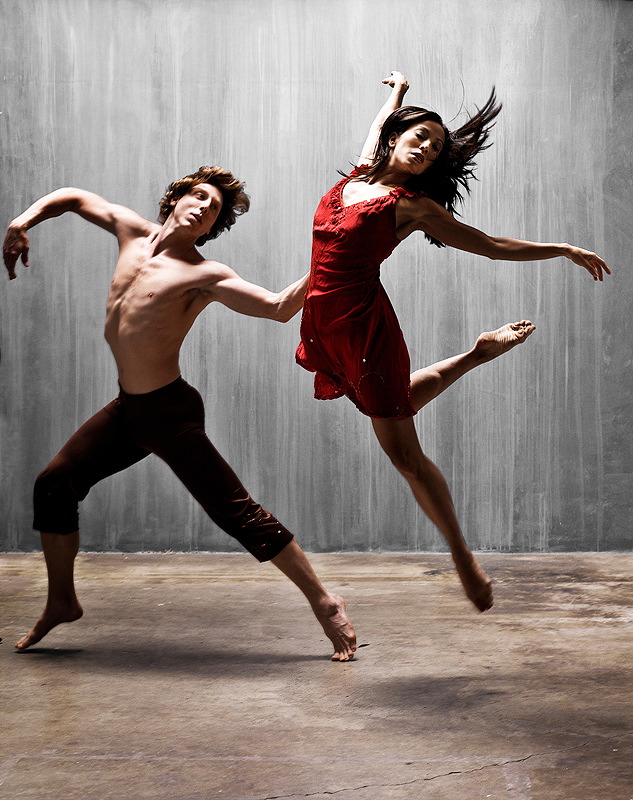
Rather than a single codified technique, modern dance encompasses a range of methods and practices. Many modern dancers work barefoot, favoring grounded weight, contraction and release, fall-and-recovery, improvisation, and greater use of the torso and floor. Specific pedagogical systems—such as Graham, Cunningham, Horton and Laban-based approaches—offer structured ways to train, but no universal set of rules applies across the field. Choreographers may draw on personal experience, theatrical devices, or abstract movement to shape work.
History and development
The movement began as artists in Europe and North America sought expressive alternatives to the strictures of classical stage dance. Early innovators—often trained in ballet—rejected rigid line and pantomime in favor of freer, more natural movement. Over decades, modern dance evolved as practitioners developed distinct techniques, founded schools and companies, and influenced related genres. It is important to distinguish this concert-based use of "modern dance" from other uses of the phrase, such as the English-style social ballroom meaning; the present article focuses on stage and concert work (stage).
Repertory, performance and creation
Modern choreographers vary widely in approach: some create narrative or emotionally explicit pieces, others pursue abstraction. Many works are carefully composed and rehearsed (choreographed), while improvisation and chance procedures also play a role in creation. Costuming and production values are typically flexible—the genre does not prescribe uniforms—so artists choose attire that serves concept or movement rather than tradition (costumes).
Uses, teaching and influence
Modern dance appears in concert halls, mixed-genre festivals, education programs and collaborative arts projects. It is taught in conservatories and university dance departments and informs contemporary choreography, physical theatre, film and interdisciplinary work. Many performers begin with ballet training and transition into modern methods, creating dialogue between techniques and expanding artistic possibilities.
Distinctive ideas and notable facts
- Modern dance prioritizes individual expression and often engages personal emotions and inner states as creative material.
- Its range includes formal, narrative pieces and experimental, mood-driven works that explore moods, social themes or purely physical ideas.
- Although lacking a single rulebook (no fixed rules), the field has produced influential training systems and a professional structure similar to ballet.
For those interested in historical surveys, technique descriptions and contemporary companies, a variety of online and print resources offer introductions, lesson plans and repertory guides; professional organizations and conservatories also publish syllabi and performance archives (modern dance).
Questions and answers
Q: What is modern dance and how is it related to ballet?
A: Modern dance is a type of performance that is related to ballet in that many of its dancers have been trained in ballet. Modern dance companies are similar to ballet companies.
Q: What does the word "modern" mean in the context of modern dance?
A: The word "modern" does not mean "recent". Modern dance is over a century old and began around 1900.
Q: What types of dance does the phrase "modern dance" apply to?
A: The phrase "modern dance" is applied to 20th century concert dance on stage.
Q: Is there a set of rules for modern dance?
A: No, the modern dance style does not have set rules. Modern dancers often create their own routines using their emotions and moods, but many performances are choreographed.
Q: Are there specific costumes required for modern dance?
A: No, modern dancing does not require specific costumes. Modern dancers can dance barefoot and wear whatever they choose.
Q: What is the aim of modern dance performances?
A: Modern dancers try to show their innermost emotions through dancing and often try to get closer to their inner selves.
Q: How has modern dance evolved over time?
A: Modern dance has evolved continually, changing artistic content and shifting from one choreographer to another, as well as styles and techniques.
Related articles
Author
AlegsaOnline.com Modern dance: origins, techniques, and role in contemporary performance Leandro Alegsa
URL: https://en.alegsaonline.com/art/65708