
Marshall County, Indiana
County in north-central Indiana with county seat Plymouth; home to Lake Maxinkuckee, Culver Academies, agricultural lands, and several small towns. Population recorded as 47,051 in the 2010 census.
Overview
Marshall County is a county in the north-central region of the U.S. state of Indiana. The administrative center and largest city is Plymouth, a small city that serves as the county seat. According to the 2010 census, the county had a population of 47,051. The county mixes agricultural landscapes with small urban centers and recreation areas around several inland lakes.
Image gallery
2 Images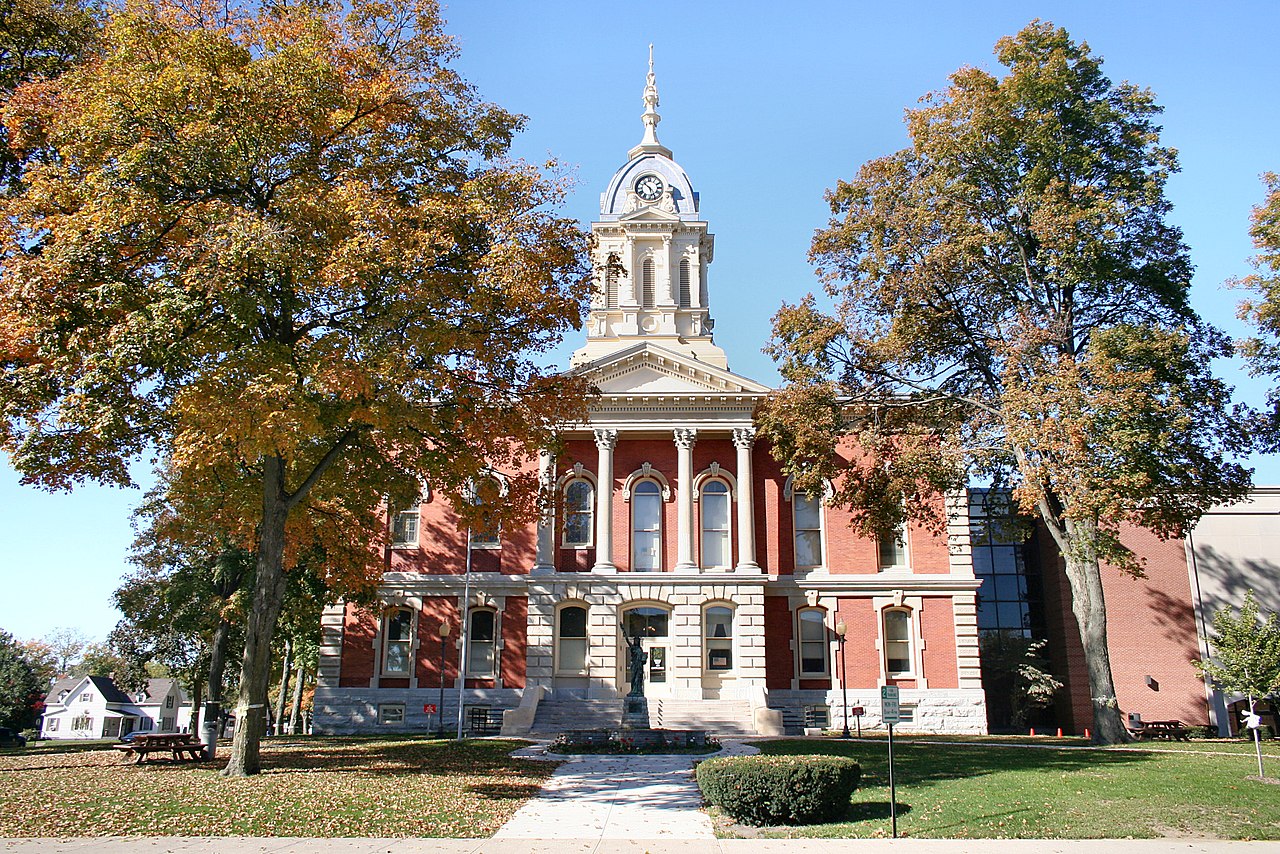

Geography and communities
Marshall County's landscape is typical of northern Indiana: a combination of fertile farmland, small woodlands and lakes. One of the most prominent natural features is Lake Maxinkuckee, located near the village of Culver, which attracts seasonal visitors for boating and fishing. Principal towns include Plymouth, Culver, Argos, Bourbon and La Paz; many residents live in dispersed rural townships.
History and name
The county was organized during the early 19th century as settlement expanded across Indiana. It is named for John Marshall, the influential Chief Justice of the United States Supreme Court. Like much of the region, the county's earliest history includes Native American presence—most notably Potawatomi people—followed by Euro-American settlement, farming development and the growth of small manufacturing centers in the late 19th and early 20th centuries.
Economy and transportation
Agriculture remains important in Marshall County, alongside light manufacturing, retail and services centered in the county seat. The area is served by several regional highways that connect it with larger cities in northern Indiana and provide routes for commuting and freight. These transportation links have supported modest economic diversification while preserving much of the county's rural character.
Education, culture and points of interest
Culver is known for Culver Academies, a private boarding school with a long regional reputation. Lake Maxinkuckee is a focal point for recreation, and Plymouth offers local museums, community events and historic buildings around the courthouse square. Outdoor activities, small-town festivals and local historical societies are common ways residents and visitors engage with the county.
Government and notable facts
Like other Indiana counties, Marshall is governed by elected officials including county commissioners and council members responsible for local services, budgeting and infrastructure. The county blends agricultural heritage with lakeside recreation and small-town institutions, making it a representative example of rural and small-city life in Indiana.
Related articles
Author
AlegsaOnline.com Marshall County, Indiana Leandro Alegsa
URL: https://en.alegsaonline.com/art/62264
Sources
- quickfacts.census.gov : "Marshall County QuickFacts"
- naco.org : "Find a County"