
Marsangy — commune in the Yonne department, France
Marsangy is a small French commune in the Yonne department of Bourgogne-Franche-Comté. This article summarizes its location, character, local life, history, and visiting practicalities.
Overview
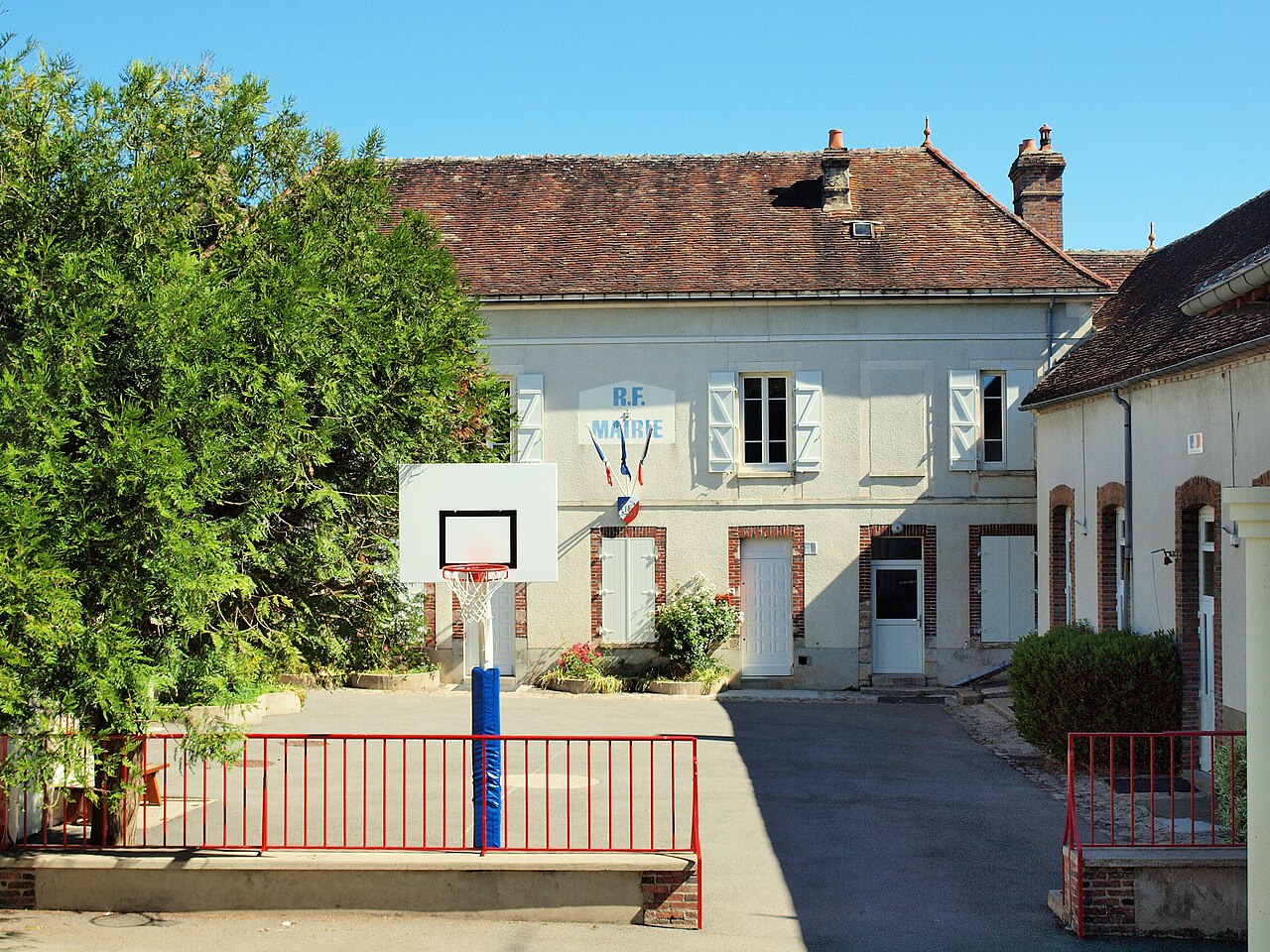
Marsangy is a rural commune located in the Yonne department, part of the Bourgogne-Franche-Comté region. As with many small communes in France, Marsangy functions as the lowest level of local government: it is administered by a mayor and a municipal council and forms part of the wider departmental administration and services.
Image gallery
3 Images

Geography and administration
The village lies within the administrative structures of its administrative department and regional authorities; the surrounding landscape is typically a mix of cultivated fields, meadows and small wooded plots common to north-central rural France. Nearby larger towns and transport hubs provide access to wider services, while the commune retains a low-density, village character.
History and heritage
Like many settlements in this part of France, Marsangy has historical roots that stretch back to the medieval and early modern periods. The built heritage often includes a parish church, farmhouses, and lanes that reflect centuries of rural life. Efforts at local preservation focus on maintaining traditional architecture and landscapes that illustrate the region's agricultural past.
Economy, services and daily life
Local economic activity is dominated by small-scale agriculture, artisanal trades and family-run businesses. The Yonne department contains notable wine-producing areas (for example, Chablis) though not every commune is a wine village; Marsangy exemplifies the mixed-farming character of much of the department. Everyday services — schools, shops and health facilities — are typically shared with neighbouring communes and towns.
Visiting and transport
Visitors come for quiet countryside walks, local events and to appreciate village architecture. Access is generally by departmental roads and regional transport links; public transport tends to be limited, so private car is the most common means to reach and move around the area. Practical visitor information is usually available through departmental tourism offices and local notice boards.
Notable features
- Representative example of France's commune system and rural administration.
- Typical Yonne countryside with agricultural landscapes and village heritage.
- Local life centered on community institutions and seasonal events.
- Located in the broad area commonly described as central France, with connections to regional cultural and economic networks.
For administrative details, demographics and current municipal information, official departmental resources and local authorities provide the most up-to-date guidance.
Related articles
Author
AlegsaOnline.com Marsangy — commune in the Yonne department, France Leandro Alegsa
URL: https://en.alegsaonline.com/art/62250
Sources
- insee.fr : INSEE