
Marquay (Pas-de-Calais) — small commune in northern France
Marquay is a rural commune in the Pas-de-Calais department of northern France. This article outlines its location, character, history, local life and practical information for visitors or researchers.
Overview
Marquay is a small commune in the Pas-de-Calais department, formerly part of the Nord-Pas-de-Calais region, located in northern France. As with many communes in this part of the country, it functions as the lowest level of local government and typically includes a village nucleus surrounded by agricultural land. Marquay is representative of the small rural communities that dot the Pas-de-Calais countryside.
The landscape around Marquay consists mainly of cultivated fields, pastures and hedgerows. Soils and microclimates in the area support mixed farming and seasonal crops. The settlement pattern is compact, often centered on a parish church, a town hall, and a war memorial—features that reflect local history and communal life.
Administratively, communes like Marquay are managed by a mayor and a municipal council. They cooperate with neighboring communes through intercommunal structures for services such as waste collection, schooling and road maintenance. Local administration emphasizes preservation of rural character while adapting to regional planning and economic change.
Historically, the villages of Pas-de-Calais have medieval roots and experienced gradual change through agriculture, industrialization in nearby towns, and the conflicts of the 20th century. Buildings and place‑names often record this layered past, and modest heritage elements—small churches, farmhouses and memorials—are common.
Image gallery
2 Images
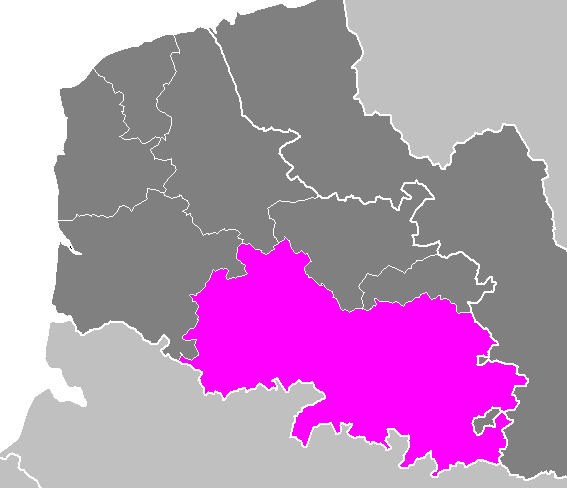
Local features and practical information
- Points of interest: village church, traditional farm buildings and a communal war memorial.
- Economy: mainly agriculture, with some residents commuting to larger towns for work.
- Transport: served by departmental roads; the nearest regional rail or major road connections are in larger neighboring towns.
- Recreation: walking routes and rural scenery attract visitors seeking quiet countryside experiences.
For those researching local history, planning a visit, or comparing rural administration in France, Marquay illustrates common themes: small-scale governance, agricultural landscapes, and community life shaped by regional history. Further information can usually be obtained from departmental records, local mairie offices, or regional guides.
Related articles
Author
AlegsaOnline.com Marquay (Pas-de-Calais) — small commune in northern France Leandro Alegsa
URL: https://en.alegsaonline.com/art/62209