
Marozia: Roman noblewoman and power broker of early 10th-century Rome
Marozia (c. 890–c. 936) of the Tusculan family was a dominant political figure in early 10th-century Rome, known for her role in papal politics, family dynastic power, and the controversies recorded by medieval chroniclers.
Overview
Marozia (born Maria, c. 890 – c. 936) was a leading Roman noble of the Tusculan family who exercised extraordinary secular influence in Rome during the first decades of the 10th century. Contemporary and near-contemporary chronicles portray her as a central actor in the city’s factional politics and in determining who occupied the papal throne. She is often associated with the period sometimes called the Saeculum obscurum.
Image gallery
2 Images
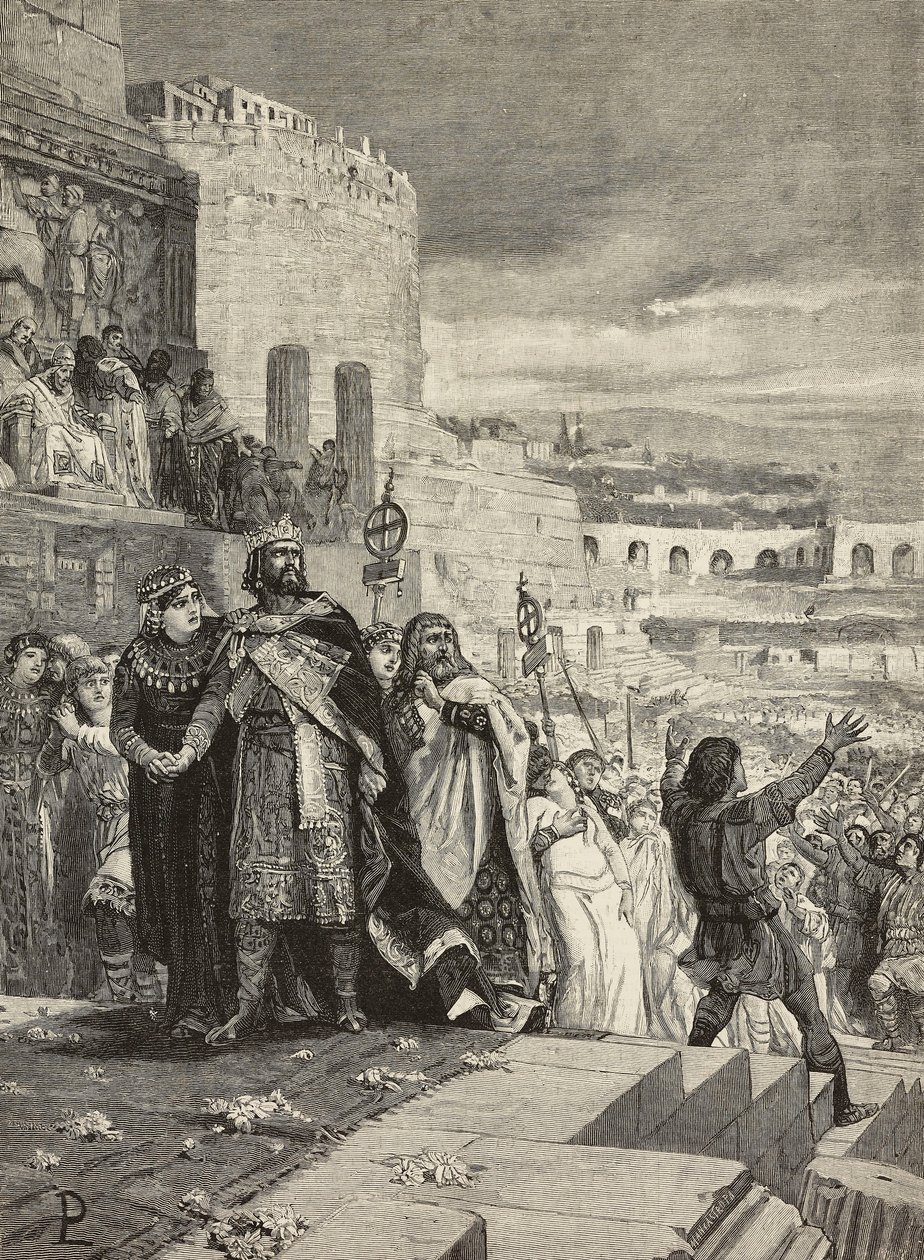
Family background and alliances
Marozia was the daughter of Theophylact, a powerful Roman count and military leader, and belonged to a family that controlled key offices and fortifications around the city. Through marriages and political alliances she linked the Tusculan house with other important Italian magnates. Her immediate family produced several churchmen and secular rulers, and her connections gave her leverage over both civic and ecclesiastical affairs.
Political role and influence
Medieval sources credit Marozia with direct participation in the selection and deposition of popes, and they describe her holding civic authority in Rome under titles recorded by some chroniclers such as "senatrix" or patricia. She used familial ties and shifting alliances to advance her relatives and supporters into high offices, an example of how aristocratic clans shaped papal politics in this era.
Controversies and historiography
Accounts from writers such as Liudprand of Cremona and later medieval annalists present a sensational view of Marozia’s life, including allegations that she was the mistress of Pope Sergius III and that one of her sons became pope with disputed paternity. Modern historians treat some of these claims with caution, noting partisan motives, rhetorical excess, and a tendency by hostile sources to cast powerful women in sexualized terms. The label "pornocracy" was coined in later centuries to describe the period of aristocratic domination of the papacy and reflects that polemical tradition.
Fall and legacy
Marozia’s fortunes changed as rival factions rose. Her son Alberic II ultimately asserted control in Rome and curtailed her power; sources record that family conflict ended her direct influence before her death. Despite the controversies, Marozia remains significant as an example of how noble families could dominate both secular and ecclesiastical institutions in early medieval Italy. Her story illustrates the entwined nature of kinship, patronage and political authority in the early medieval West.
Notable facts
- Her period of influence is often cited when discussing the so-called Saeculum obscurum of the papacy.
- Reports of her intimate relationships with churchmen are treated skeptically by many modern scholars.
- She is linked to Rome’s ruling elite and the shaping of papal succession in the early 900s.
For broader context on the city and the papacy of the period, see resources concerning Rome and the pontificates of the early 10th century.
Related articles
Author
AlegsaOnline.com Marozia: Roman noblewoman and power broker of early 10th-century Rome Leandro Alegsa
URL: https://en.alegsaonline.com/art/62207