
Mantle (ecclesiastical vesture)
A full-length monastic cape worn in Eastern Christian rites. The mantle (Greek μανδύας; Church Slavonic мантия) is a distinctive, non-liturgical outer garment of monks, abbots and bishops used in processions and certain services.
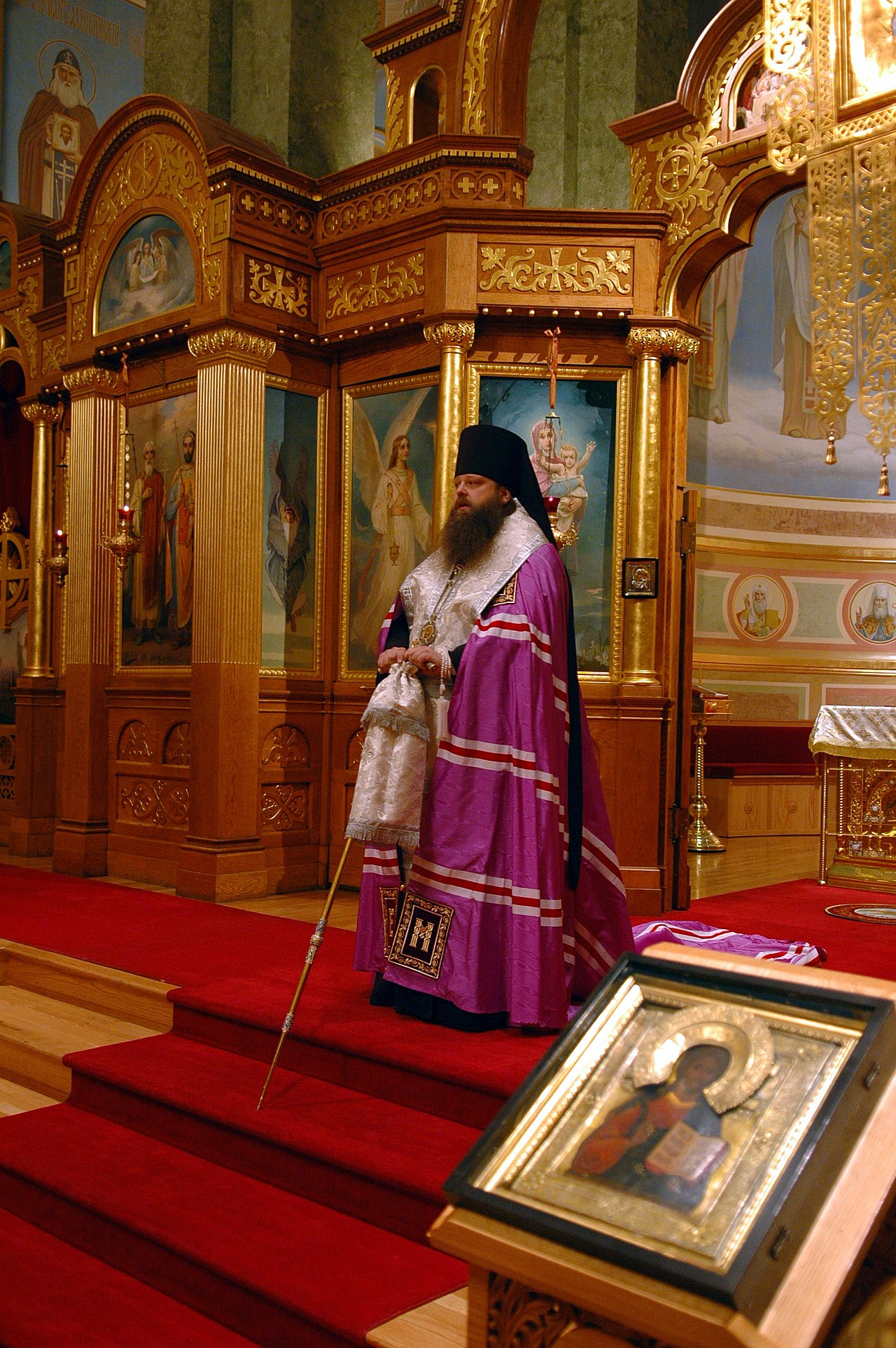
The mantle, known in Greek as μανδύας and in Church Slavonic as мантия, is a distinctive ecclesiastical outer garment of the Eastern Christian tradition. It takes the form of a very full, floor-length cape joined at the neck and is worn over the usual monastic or clerical robes. The mantle functions more as a mark of monastic or hierarchical status than as a sacramental vestment; it is associated with processional, devotional and non-Eucharistic contexts rather than with celebration of the Divine Liturgy.
Image gallery
8 Images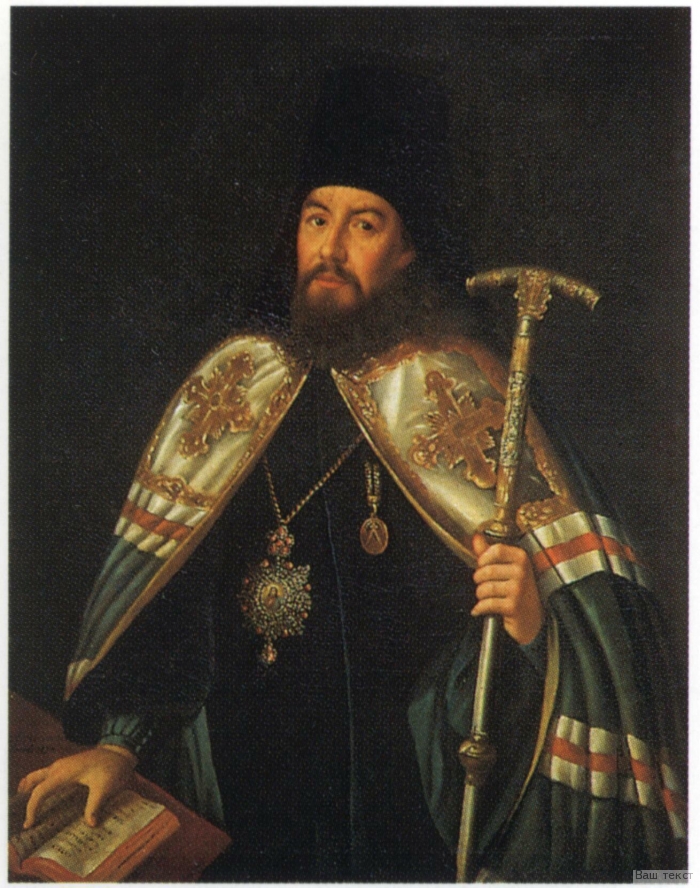


Characteristics and construction
The mantle is typically a single flowing piece of cloth that covers the wearer from shoulders to floor, allowing free movement while presenting a continuous silhouette. Materials range from plain wool or cotton for everyday monastic mantles to richer silks and brocades for hierarchs on formal occasions. Color and decoration vary by rank and local custom: monastics commonly wear plain dark mantles, while bishops and certain higher clerical figures may don mantles in distinctive colors or with decorative trims.
- Shape: full cape, joined at the neck, no sleeves in the usual sense.
- Length: to the floor, often trailing slightly in formal processions.
- Decoration: minimal for simple monks; often embroidered or edged for higher clergy.
- Complementary items: the klobuk or other monastic headgear is commonly worn in conjunction with the mantle.
Origins and historical development
The mantle descends from ancient outer cloaks and court garments that were adapted by monastic communities and by Byzantine ceremonial practice. Over centuries it evolved from ordinary protective outerwear into a symbolic vesture that marked separation from secular life and, for hierarchs, an elevated pastoral role. The gradual codification of monastic dress in the Byzantine and later Slavic churches fixed the mantle as a standard item of monastic habit and of episcopal procession dress.
Uses, occasions, and who wears it
Within Eastern Orthodox and Eastern Catholic practice the mantle is worn by monastics and certain clerics on solemn or formal non-Eucharistic occasions. Typical wearers include abbots (hegumen), archimandrites, bishops and other monastic ranks at prayer services, Vespers, Matins, processions and ceremonies associated with monastic life. It is generally not worn when vested for the Divine Liturgy. The garment thus signals a liturgical-but-not-eucharistic function and a connection to monastic identity.
Distinctions and comparable garments
The mantle should be distinguished from several related garments in Christian liturgical dress. Unlike the Western cope, which is a liturgical cape used broadly by secular and regular clergy in Western rites, the mantle in Eastern practice is predominantly monastic and hierarchical rather than a general liturgical vestment. The klobuk, a separate monastic head covering, is often worn over the mantle; together they form a recognizable silhouette of Eastern monastic dignity. Local customs produce a variety of regional styles and colors, so visual differences can signal rank, church tradition or national style.
For further reading on terminology and practice in Eastern churches see entries connected to the Eastern Orthodox tradition at related resources, and for information on episcopal dress consult sources associated with bishops and hierarchical vesture at hierarchical vesture guides. The mantle remains a living element of Eastern Christian ceremonial, carrying layers of practical, symbolic and historical meaning.
Related articles
Author
AlegsaOnline.com Mantle (ecclesiastical vesture) Leandro Alegsa
URL: https://en.alegsaonline.com/art/61439