
Michel Foucault: life, methods, and influence on modern thought
Overview of Michel Foucault’s work, methods, major writings, core concepts (power, discourse, biopolitics), institutional studies, historical development, and enduring influence.
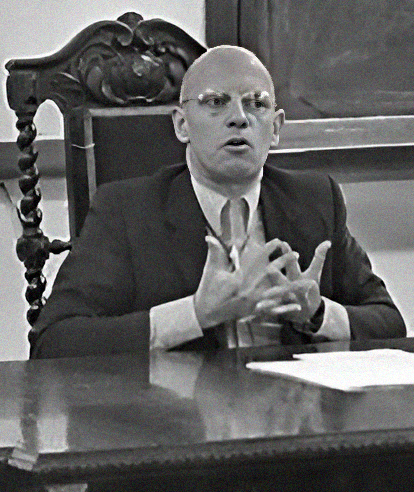
Michel Foucault (1926–1984) was a French philosopher, historian of ideas, and social theorist whose writings reshaped how scholars analyze institutions, knowledge, and subjectivity. Rather than offering a unified systematic philosophy, Foucault developed a set of historical methods and conceptual tools for tracing how practices, norms, and forms of knowledge emerge and change. He examined the ways that psychiatric hospitals, prisons, schools, clinics and other institutions structure behaviour and understanding, and he explored how systems of knowledge and power are mutually constitutive.
Image gallery
7 Images


Core methods and concepts
Foucault introduced distinctive approaches that he sometimes named "archaeology" and "genealogy." Archaeology aimed to map the rules and formations that make discourses possible at particular historical moments. Genealogy focused on the contingent and often conflict-laden processes through which practices and norms take shape. Central concepts in his work include:
- Discourse – the organized ways of talking, classifying and knowing that shape what can be said and thought;
- Power/knowledge – the idea that knowledge production and power relations are intertwined rather than separate;
- Disciplinary power – techniques of surveillance, normalization and training that produce orderly, productive subjects;
- Biopolitics and governmentality – forms of governance concerned with populations, life, and management of conduct.
Major writings and topics
Across a series of influential books, Foucault examined different institutional domains and historical periods. Notable works include Madness and Civilization, The Birth of the Clinic, The Order of Things, Discipline and Punish, and the multi-volume The History of Sexuality. These texts combine archival research with critical interpretation to show how categories such as "madness," "crime," "illness," and "sexuality" have been produced and regulated. His later lectures and essays developed the notion of governmentality and expanded the scope of how power operates beyond formal laws and coercion.
History, influence and reception
Foucault wrote from the mid-20th century into the early 1980s and had substantial influence across philosophy, sociology, history, literary studies, cultural studies, political theory and law. Scholars drew on his analyses to rethink institutions, subjectivity, expertise and resistance. He is often associated with post-structuralism or postmodern thought, though he personally resisted simple ideological labels and rejected being placed neatly within a single school. His work stimulated debates about methodology, historical interpretation, and the ethical stakes of critique.
Uses, controversies and notable facts
Foucault’s concepts remain tools for analyzing contemporary issues such as mass incarceration, public health, surveillance technologies, and the governance of bodies. Critics have questioned his treatment of agency, normative claims, and empirical evidence; defenders point to his careful historical scholarship and the heuristic power of his concepts. Foucault was also openly gay and addressed sexuality directly in his later writings, which affected both academic and public conversations about sexuality and rights.
For further general introductions and biographical information see biographical summaries, surveys of his major texts at overviews of his work, and collections of essays and critiques at academic resources. For discussions of his influence on contemporary debates about power and institutions consult critical studies and thematic bibliographies at scholarship portals.
Questions and answers
Q: Who was Michel Foucault?
A: Michel Foucault was a French philosopher and historian.
Q: What did Foucault study?
A: Foucault studied institutions such as psychiatric wards, hospitals, schools, and prisons.
Q: What was Foucault's interest in studying institutions?
A: Foucault studied institutions to figure out how they affected the people living in them.
Q: What was Foucault's sexual orientation?
A: Foucault was gay.
Q: What did Foucault study about sexuality?
A: Foucault studied the history of sexuality and, later in his life, wrote about homosexuality.
Q: How is Foucault often referred to by philosophers?
A: Foucault is often called a postmodernist or post-structuralist philosopher.
Q: Did Foucault accept the labels given to him by philosophers?
A: No, Foucault rejected all of these labels.
Related articles
Author
AlegsaOnline.com Michel Foucault: life, methods, and influence on modern thought Leandro Alegsa
URL: https://en.alegsaonline.com/art/64520