
Manitoulin Island
Manitoulin Island is the world’s largest freshwater island, in Lake Huron, Ontario, Canada. It is known for its many inland lakes, Indigenous communities, outdoor recreation and summer tourism.
Overview
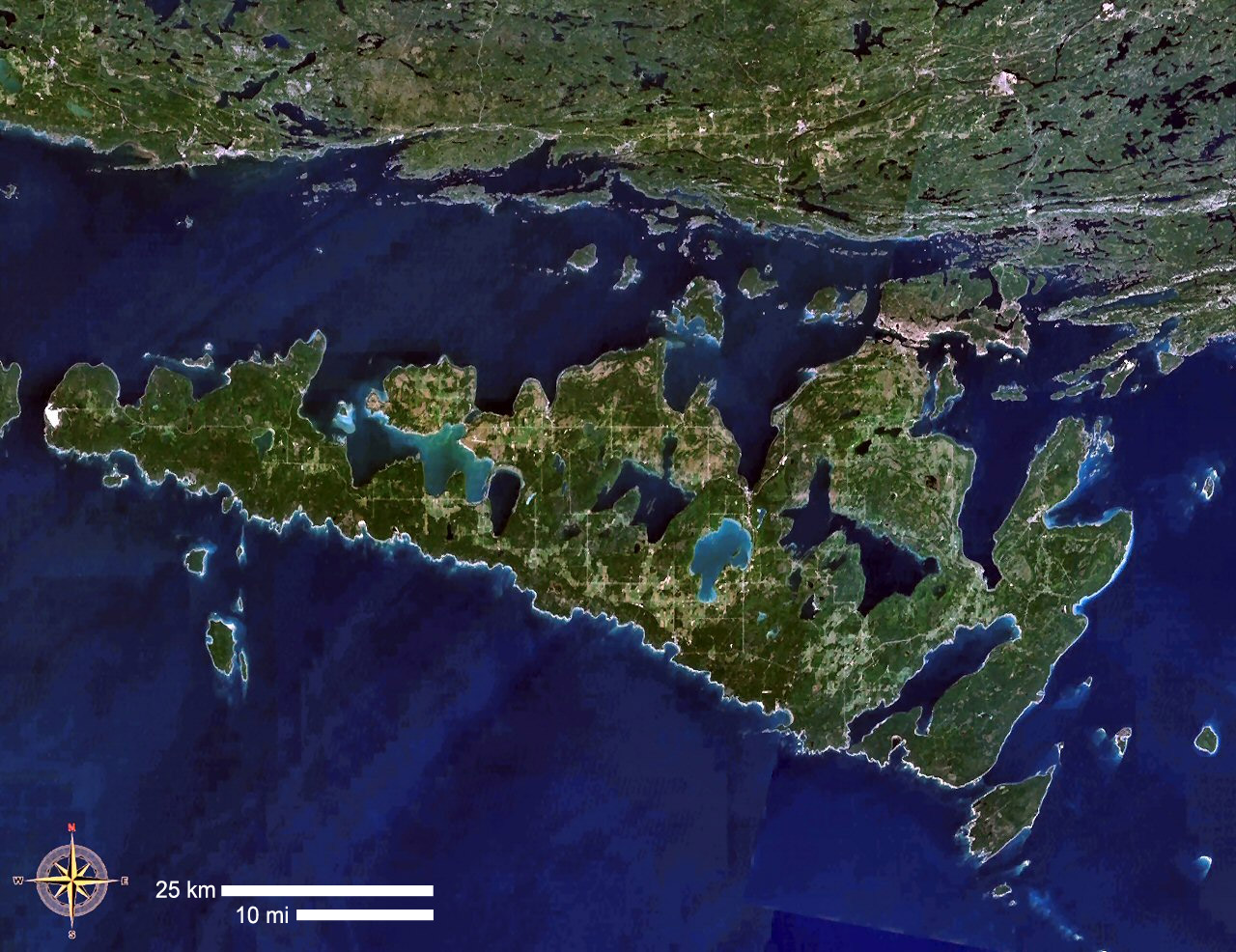
Manitoulin Island lies in the northern part of Lake Huron and is administratively part of the Canadian province of Ontario within the country of Canada. With an area of about 2,766 square kilometres (1,068 square miles), it is the largest island in a freshwater lake in the world. The island combines a mix of small towns, Indigenous communities, rural properties and extensive natural areas that attract visitors and seasonal residents.
Image gallery
8 Images



Geography and lakes
Manitoulin occupies a position between the main basin of Lake Huron on its south and west, the North Channel to the north, and the waters of Georgian Bay to the east. One distinctive feature is the unusually large number of inland freshwater lakes on the island—more than one hundred are recorded. The largest of these, Lake Manitou, covers roughly 104 square kilometres (about 40.5 square miles) and is notable as the largest lake located on a freshwater island anywhere on Earth. Shorelines range from limestone cliffs and rocky points to sheltered bays and wetlands.
History and communities
Human presence on the island predates European contact; Indigenous peoples have lived and travelled in the region for millennia and many First Nations communities remain central to the island’s identity. European settlement and economic activity increased in the 19th century and led to the formation of villages and small towns. Today the island includes incorporated municipalities and several Indigenous reserves, each with distinct cultures, governance and community events that continue to shape local life.
Economy, recreation and tourism
The island economy blends traditional livelihoods with tourism and service industries. Fishing, small-scale agriculture, forestry, arts and crafts, and hospitality all contribute to local livelihoods. Manitoulin is a popular summer destination thanks to boating, sport fishing, hiking, camping and cultural festivals. Many visitors come to explore the inland lakes, shoreline trails and community markets; the population increases substantially in warmer months.
Ecology and notable facts
Manitoulin supports varied habitats, including freshwater wetlands, forests and shoreline ecosystems that host diverse birdlife and aquatic species. Its landscape reflects glacial and post-glacial processes that shaped much of the Great Lakes region. Among the island’s notable distinctions are its status as the world’s largest freshwater island and its possession of the largest lake on a freshwater island, both features frequently noted by geographers and travel guides.
Access and practical information
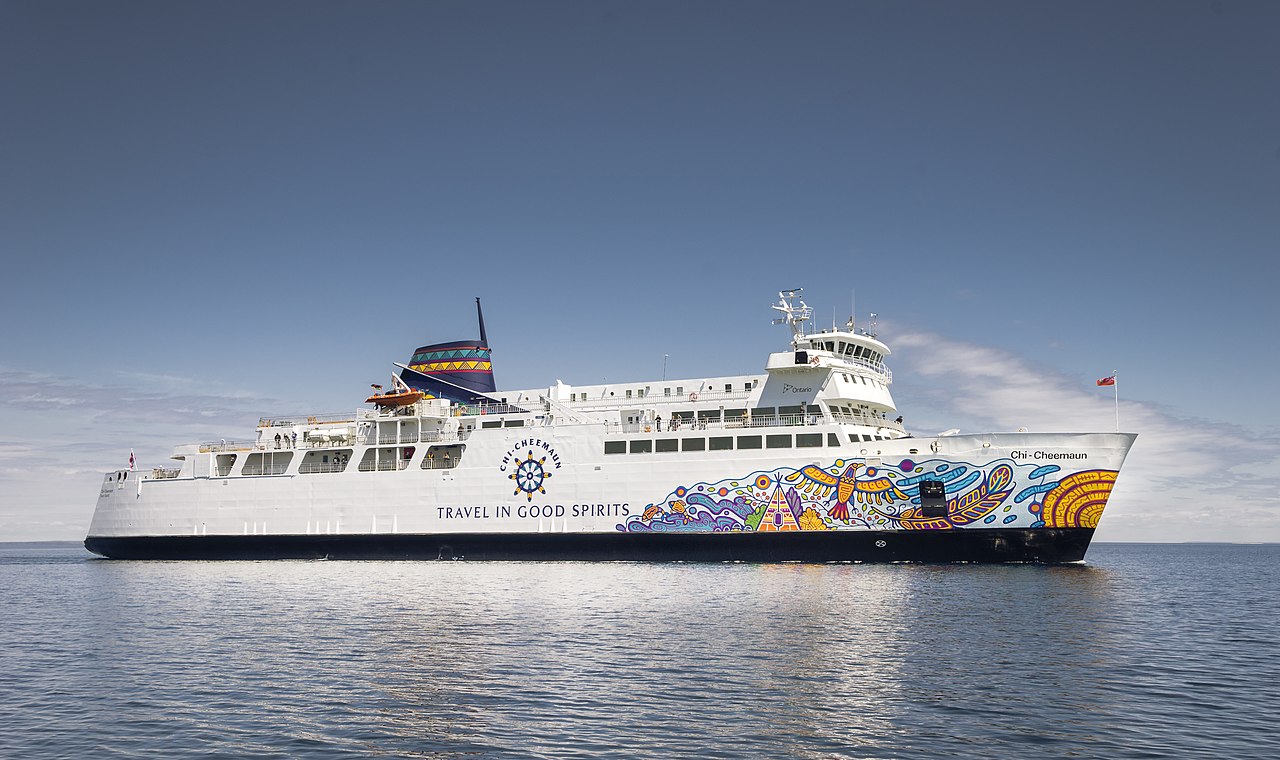
The island is reached by road from the Ontario mainland and by seasonal boat services; a swing bridge at Little Current provides a fixed connection for vehicle traffic. Principal population centres host basic services for residents and visitors, and conservation areas and parks offer managed access to important natural sites. For more detailed visitor information and local governance, consult municipal resources and travel guides.
- Area: ~2,766 km² (1,068 sq mi)
- Inland lakes: over 100; Lake Manitou is the largest
- Population: approximately 12,600 (varies seasonally)
Related articles
Author
AlegsaOnline.com Manitoulin Island Leandro Alegsa
URL: https://en.alegsaonline.com/art/61355