
Malagasy language: Austronesian tongue of Madagascar
Malagasy is the Austronesian language spoken across Madagascar. It has Southeast Asian origins, African and Arab influences, diverse dialects, and serves as the island's principal language and cultural medium.
Overview
Malagasy is the principal language of Madagascar and belongs to the Austronesian family, a large grouping of languages spread across the Pacific and Indian Oceans. It is spoken by the majority of the island's population and functions as a primary means of everyday communication, education, and culture. Standard Malagasy used in administration and media is based largely on the Merina highland dialect.
Image gallery
7 Images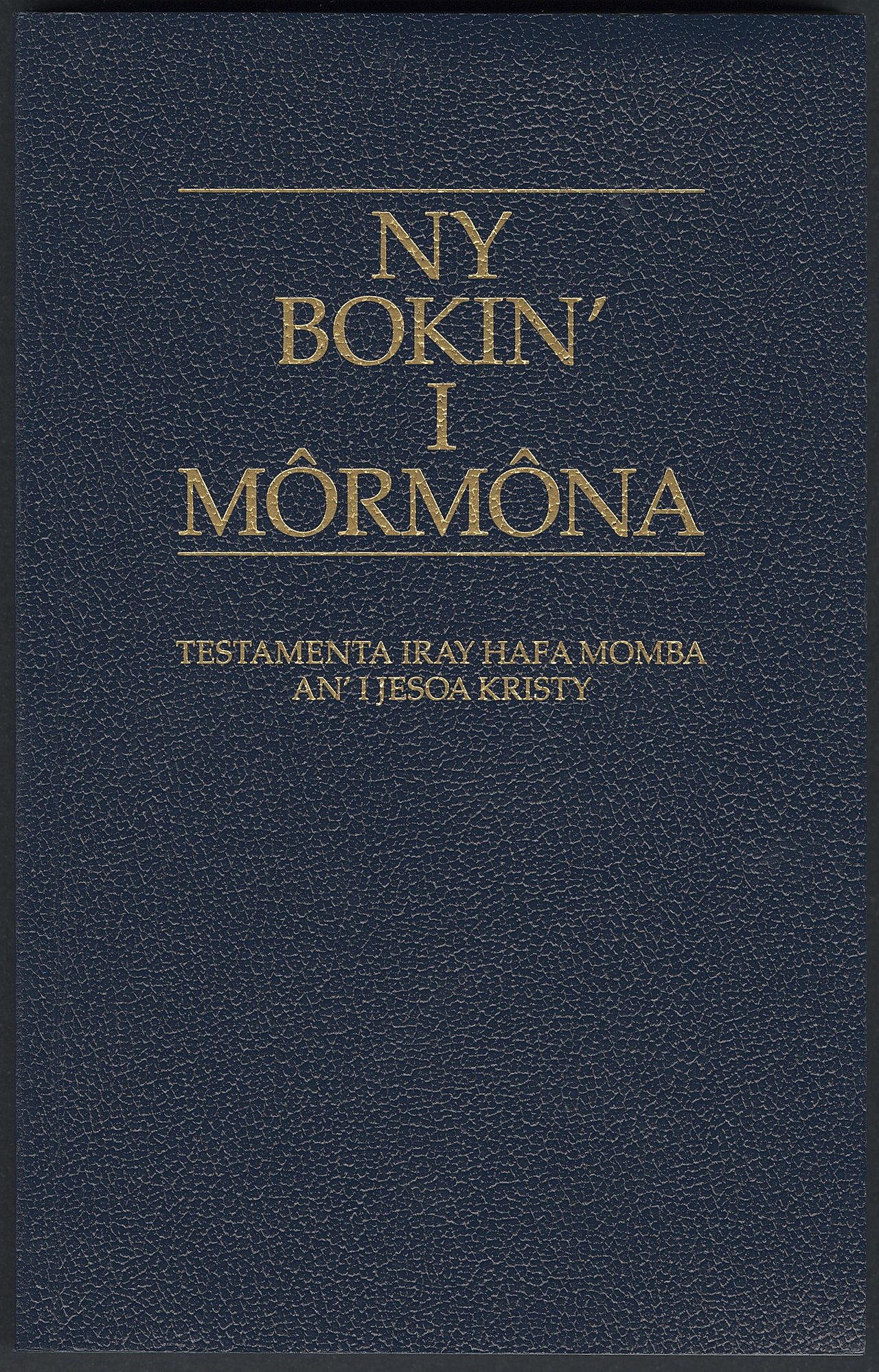


Linguistic characteristics
Although Austronesian in origin, Malagasy shows distinctive developments and extensive borrowing from African and Indian Ocean contacts. Typical features include a predominance of affixation, reduplication for grammatical and semantic effects, and a voice or focus system that marks the role of noun phrases. The language frequently exhibits a verb-initial word order (commonly VOS), and personal pronouns include distinctions often summarized as inclusive versus exclusive "we." Malagasy is largely agglutinative, forming words by adding prefixes, infixes, and suffixes to verbal and nominal roots.
History and origins
Evidence from linguistics, archaeology, and genetics indicates that initial settlers who spoke Austronesian languages arrived on Madagascar from Island Southeast Asia sometime from about the first millennium CE. These settlers—and later arrivals—mixed with incoming Bantu-speaking peoples from mainland Africa as well as traders from the Arabian Peninsula and the Indian Ocean, creating the unique linguistic profile seen today. Malagasy is therefore the only Austronesian language with a primary presence on the African landmass.
Dialects and varieties
Malagasy is not uniform across Madagascar. Several broadly recognized dialect groups exist, including Merina (central highlands), Betsimisaraka (east coast), Sakalava (west), and Antandroy (south). The Merina dialect underlies the national standard, but local speech can differ in pronunciation, vocabulary, and certain grammatical details.
Uses, literature and cultural role
Malagasy is the vehicle for rich oral and written traditions: folktales, proverbs, ritual speech, and modern literature. Traditional ceremonies and communal practices, such as the famadihana (the turning of the bones), carry language forms and registers specific to ritual contexts. Everyday expressions include greetings like salama and thanks like misaotra, which are widely understood across dialects.
Relations to other languages and notable facts
Genetically, Malagasy is related to languages spoken much farther east; close affinities are found with languages of Indonesia and the broader Austronesian world. For example, its historical links connect it to Indonesian, Javanese and to Pacific languages such as Māori. Its combination of Southeast Asian roots and African, Arab, and European influences makes Malagasy a particularly interesting case for the study of language contact, migration, and cultural history.
- Writing: Malagasy has been written using the Latin alphabet since the 19th century.
- Official status: It is an official language of Madagascar alongside French.
- Research interest: Linguists study Malagasy for its unusual geographic position within Austronesian and for its morphosyntactic features.
Questions and answers
Q: What is Malagasy language?
A: Malagasy is an Austronesian language spoken in Madagascar.
Q: What is the origin of Malagasy language?
A: Malagasy language is related to Indonesian, Javanese, and Maori languages because immigrants from Indonesia came to Madagascar until 1400 A.D.
Q: What is the relation between Malagasy language and Indonesia?
A: Malagasy language is related to languages spoken in Indonesia because of historical immigration to Madagascar.
Q: What is the uniqueness of Malagasy language?
A: Malagasy is the only Austronesian language spoken in Africa.
Q: Where is Malagasy language spoken?
A: Malagasy is spoken in Madagascar.
Q: Which family of languages Malagasy language belongs to?
A: Malagasy language belongs to the Austronesian language family.
Q: Does Malagasy language shares any relationship with European or African languages?
A: No, Malagasy language shares no direct relationship with European or African languages.
Related articles
Author
AlegsaOnline.com Malagasy language: Austronesian tongue of Madagascar Leandro Alegsa
URL: https://en.alegsaonline.com/art/60928
Sources
- glottolog.org : "Malagasy"
- firstschoolyears.com : firstschoolyears.com