
Malaucène: Provençal town at the foot of Mont Ventoux
Malaucène is a small commune in Vaucluse, Provence-Alpes-Côte d'Azur, known as a base for Mont Ventoux, with medieval streets, viticulture, markets and outdoor tourism. Population: 2,669 (2008).
Malaucène is a small French commune with a recorded population of 2,669 people (see 2008 census). It lies in the administrative region Provence-Alpes-Côte d'Azur and the department of Vaucluse, situated in the south of France. The town serves both as a local service centre for surrounding agricultural land and as a gateway for visitors heading into the nearby mountains.
Geographically, Malaucène sits at the lower slopes of the famed Mont Ventoux. The setting combines terraced vineyards, garrigue and woodland, creating varied scenery for short walks and longer hikes. The elevation change from the village up to higher trails makes the area attractive to outdoor enthusiasts and cyclists seeking challenging ascents.
Historically, the settlement developed in the medieval period and retains a compact centre of narrow streets, stone houses and traces of older fortifications. Evidence of changing agricultural and transport patterns over centuries can still be read in the village layout and in local architecture. Malaucène reflects the broader Provençal heritage of small market towns that served rural communities.
Image gallery
2 Images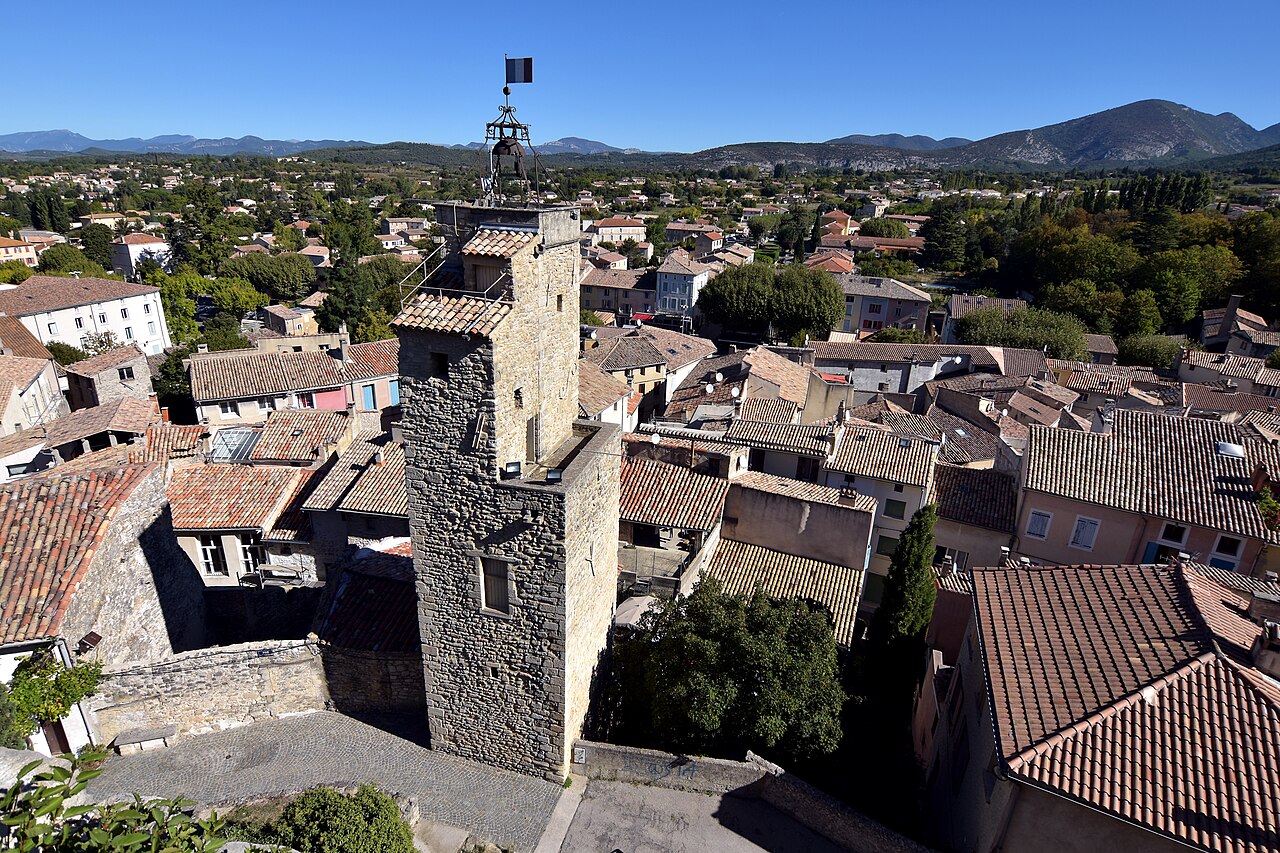

Economy and culture
The local economy is mixed: traditional agriculture (including vines contributing to the Ventoux wine area), small-scale farming, shops and hospitality. Tourism is important, especially cycling tourism linked to Mont Ventoux, day visitors, and those exploring Provençal markets and regional cuisine. Annual events and markets maintain local social life and attract outsiders in summer and harvest seasons.
Main attractions and activities
- Starting point for climbs and cycling routes up Mont Ventoux, popular with amateur and professional riders.
- Historic village centre with shops, cafes and a weekly market showcasing regional produce.
- Walking trails, natural viewpoints and opportunities for wine tasting in nearby vineyards.
- Local festivals and seasonal events that celebrate Provençal food and traditions.
Practical information: Malaucène is reached by regional roads from surrounding towns and is best explored on foot within the village. For visitors it offers a mix of rural charm, easy access to mountain recreation and a clear example of small-town life in Provence.
Related articles
Author
AlegsaOnline.com Malaucène: Provençal town at the foot of Mont Ventoux Leandro Alegsa
URL: https://en.alegsaonline.com/art/60946