
Maid (domestic worker): roles, history and modern issues
A maid is a domestic worker who performs household tasks and caregiving. This article explains typical duties, types of employment, historical context, legal protections and contemporary challenges.
Overview
A maid, also called a housemaid or maidservant, is a person employed to perform household work. Historically the term referred to women; today it may be used more broadly but often remains gendered in common usage. Maids carry out a range of chores to maintain a residence and support the daily life of the people who live there.
Image gallery
4 Images
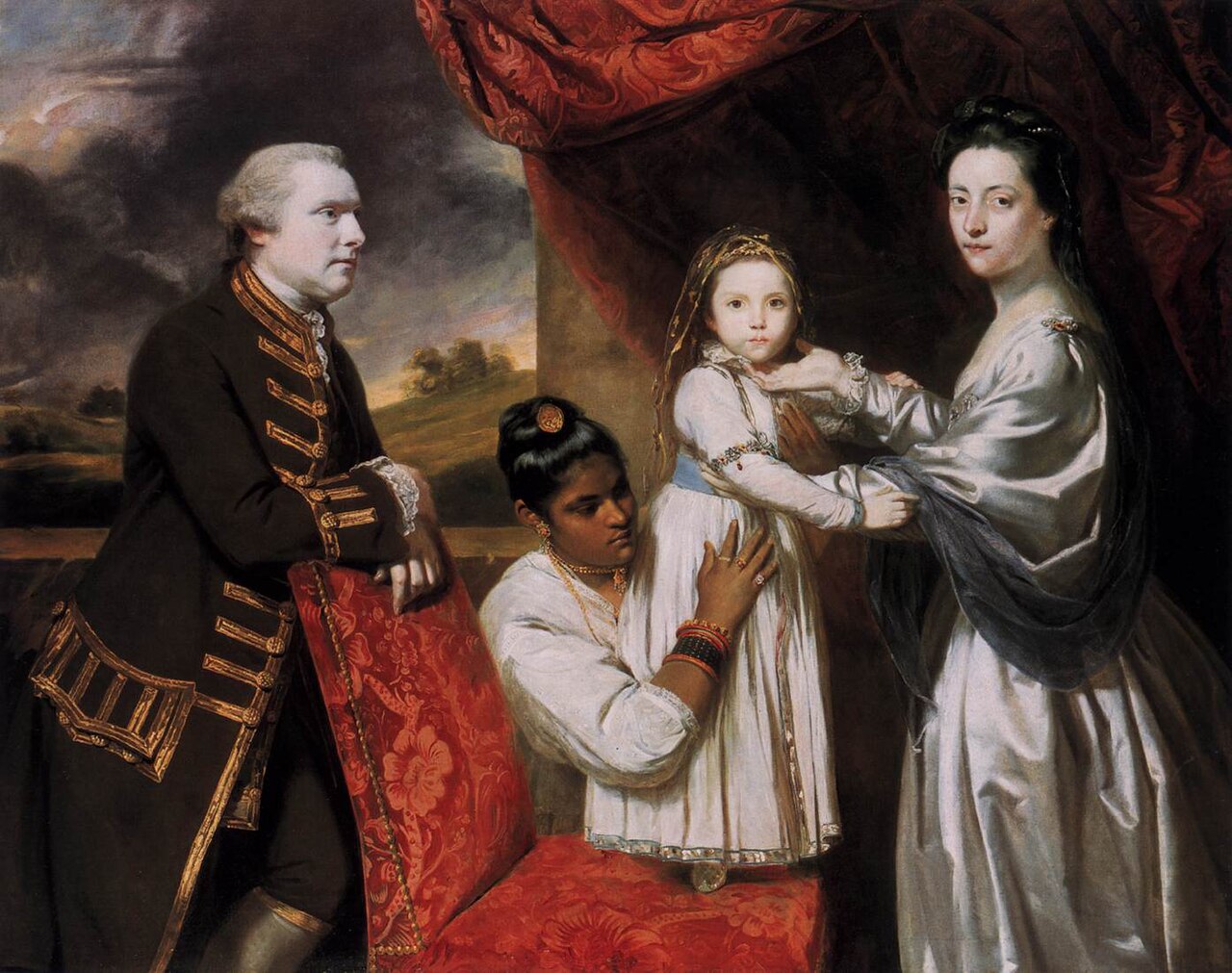


Common tasks and responsibilities
Typical duties include routine cleaning, laundry and ironing, meal preparation, grocery shopping, and general household upkeep. Many maids also provide care-related services such as looking after pets or acting in a role similar to a nanny for children. In some contexts they may handle errands, manage household supplies, and assist with light administrative tasks.
Types of employment and working conditions
- Live-in maids who reside in the employer's home and often work longer hours.
- Live-out maids who commute and have more defined working hours.
- Specialized roles such as chambermaids, housekeepers, or domestic caregivers for elderly or disabled household members.
In some low-income regions (see) maids commonly undertake nursing-like duties (nurse) and support people with disabilities. Employers sometimes require a uniform or formal dress code (uniform), a practice rooted in historical class distinctions.
History and social role
Domestic service has been one of the largest sources of employment for women in many countries through the 18th to 20th centuries. Industrialization, social change, and labor laws have changed the scale and visibility of household work, but paid domestic work remains important worldwide for households that rely on hired help to manage time and care responsibilities.
Legal protections and contemporary challenges
Because domestic work occurs in private homes, workers may be vulnerable to informal arrangements, long hours, low pay, and limited social protections. The International Labour Organization has addressed these concerns; its role (ILO) led to the adoption of Convention No. 189 on domestic workers (Convention No.189), which sets standards for rights, working conditions and protections.
Notable distinctions and importance
Distinguishing maids from other domestic professions depends on tasks, training and employment terms: a professional caregiver differs from a general housemaid, while a housekeeper may oversee a team. Understanding these roles clarifies labor rights, employer responsibilities and the social value of domestic work in contemporary economies.
Author
AlegsaOnline.com Maid (domestic worker): roles, history and modern issues Leandro Alegsa
URL: https://en.alegsaonline.com/art/60749