
Magdalene College, Cambridge
Magdalene College is a small, historic constituent college of the University of Cambridge, founded in the 15th century. It is noted for the Pepys Library, its riverside setting and preserved collegiate traditions.
Magdalene College is one of the constituent colleges of the University of Cambridge, situated on the north bank of the River Cam in England. It is among the smaller Cambridge colleges by student numbers and retains a compact mixture of medieval and later architecture. The college community includes undergraduates, postgraduates and fellows, and it maintains a reputation for a close-knit academic environment.
Image gallery
10 Images

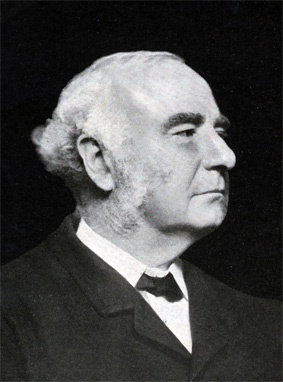


Origins and development
The foundation of the college can be traced to a medieval Benedictine foundation. Originally established in the early 15th century as Buckingham College, it served as a monastic hostel and place of study for monks and clerics linked to Benedictine houses, a fact reflected in surviving structural elements and records. Over the course of the 16th century the institution was refounded and rechartered, changing its name to Magdalene College and evolving into the residential college familiar today. Its development was gradual, shaped by donations and rebuilding over several centuries.
Architecture and setting
Magdalene's buildings reflect a range of periods from late medieval to Victorian and later. The college fronts the River Cam and includes courtyards, chapel, dining hall and libraries arranged around cloistered spaces. The compact layout preserves atmospheric historic courts and gardens that contribute to the college's character. Visitors often note the college's riverside walks and traditional façades as distinguishing features compared with larger, more modern Cambridge colleges.
Collections: the Pepys Library
Magdalene is best known for the Pepys Library, a rare and centrally important private library assembled by Samuel Pepys, the 17th-century naval administrator and diarist. Pepys bequeathed his books, manuscripts and personal papers to the college, where they have been retained largely as he left them. The library houses original manuscripts, printed works and personal items that are valuable for research into early modern England and are displayed under controlled conditions to preserve fragile materials.
Student life, traditions and reforms
The college preserves many collegiate customs such as formal dinners, ceremonies and academic events that reflect centuries of Cambridge practice. At the same time it participates fully in modern university life with academic supervision (supervisions), societies and musical and sporting activities. Magdalene was traditionally an all-male college until later in the 20th century and admitted women undergraduates in 1988, joining other colleges in opening membership more broadly.
Notable facts and distinctions
- Magdalene's identity is closely linked to its collections and historic fabric, making it of interest to students and researchers of the early modern period.
- The college combines a relatively small student body with an active public programme of lectures and exhibitions, often centred on its archival holdings.
- Its origins as a monastic hostel and subsequent refounding illustrate the transition of religious foundations into collegiate institutions during the Tudor era; related history can be explored through academic sources and the college's own records.
For further general information about the college's history, buildings and collections, see institutional resources and guides to Cambridge college history. The college's Benedictine origins and early role as a Benedictine hostel are important contexts for understanding its early identity and surviving features. Additional references provide fuller accounts of alumni, endowments and architectural phases.
For more on Samuel Pepys and the library named for him, and for details about visiting the college, consult college publications and archival summaries available through academic and public information services.
Related articles
Author
AlegsaOnline.com Magdalene College, Cambridge Leandro Alegsa
URL: https://en.alegsaonline.com/art/60568
Sources
- cambridgeonline.co.uk : "Magdalene College"