
Samuel Pepys: English naval administrator and diarist (1633–1703)
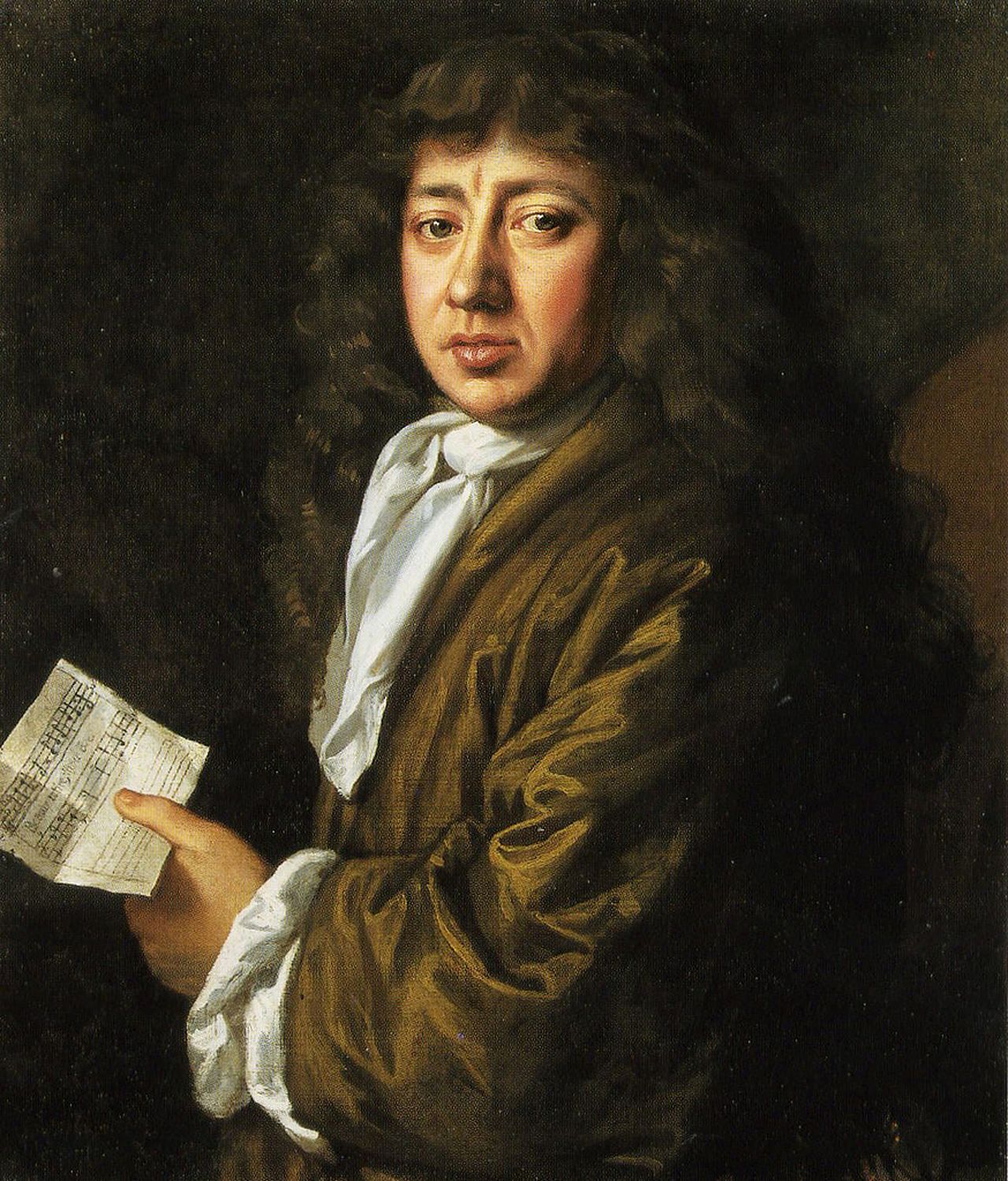
Samuel Pepys, 17th-century English naval administrator and Member of Parliament, is best known for his detailed 1660–1669 diary, a key primary source for the English Restoration, the Great Plague and the Great Fire of London.
Overview
Samuel Pepys (23 February 1633 – 26 May 1703) was a 17th-century English civil servant who rose to prominence as a senior administrator at the Admiralty and as a Member of Parliament. He is remembered primarily for the private diary he kept from 1660 to 1669, which combines candid personal observations with vivid eyewitness reporting of major events from the English Restoration era. Pepys’s career was built on diligent record-keeping, close attention to logistics, and the patronage networks common to Restoration government.
Image gallery
10 Images




Career and public service
Pepys began his public life in clerical work and advanced within the naval administration to become a chief secretary and a trusted official at the Admiralty. Although he had no formal seafaring experience, his organizational ability and mastery of paperwork made him valuable in managing provisioning, shipbuilding contracts and naval accounts. His work involved frequent correspondence, inspections and attendance at official meetings, and he was active in parliamentary life as a Member of Parliament.
He also engaged with the scientific and intellectual circles of his time: Pepys was associated with the Royal Society and took interest in contemporary experiments and technical improvements that affected naval affairs. For further reading on institutions connected to his career see Admiralty records and contemporary government correspondence.
The diary: form, content and publication
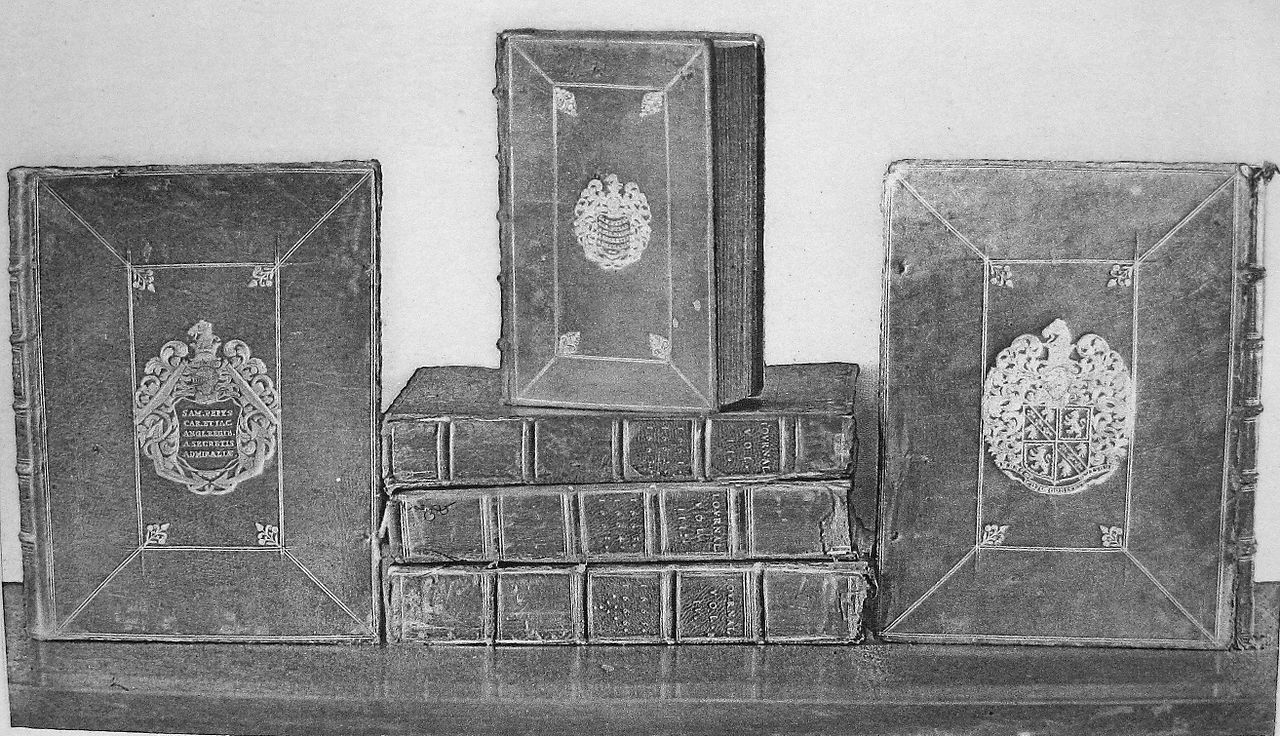
Pepys wrote his diary in a contemporary shorthand and kept remarkably detailed daily entries for a decade. The diary records family life, social events, professional activities and immediate reactions to public crises. It is especially valued for the author’s eyewitness accounts of the Great Plague of London and the Great Fire of London, and for his descriptions of naval preparations and the Second Anglo-Dutch War. Readers interested in the diary and its editions can consult modern annotated collections and archival guides via diary transcriptions and editorial introductions at scholarly resources.
Initial publications of the diary in the 19th century were selective and often bowdlerized; later scholarly editions restored much of the original material and supplied historical annotation. The diary’s combination of private detail and public reportage makes it an unusually rich primary source for historians of Restoration England.
Significance and legacy
Pepys’s writings provide insight into daily life, government administration, naval logistics and the social mores of his time. Historians draw on the diary for its eyewitness descriptions of crises, its commentary on political and personal networks, and its sketch of urban life in mid‑17th‑century London. Because the entries blend personal confession with factual reportage, they illuminate both the events and the attitudes of a key period in English history.
Characteristics and notable facts
- Dates of diary entries: 1660–1669, written in shorthand and later transcribed; many editions now exist (editorial histories).
- Major events described include the Great Plague, a major naval conflict with the Dutch, and the Great Fire of London (accounts of the fire).
- Professional role: senior Admiralty official responsible for administration and record-keeping (naval administration).
- Public recognition: he served in Parliament, associated with scientific societies, and left an archival legacy studied by historians (historical context).
Pepys’s diary remains widely read today because it combines the immediacy of a day-to-day journal with observations of events of national significance. For introductory reading and access to selected documents see general guides at research portals and curated collections at library resources.
Questions and answers
Q: Who was Samuel Pepys?
A: Samuel Pepys was an English administrator at the Admiralty and Member of Parliament who is famous for his diary.
Q: What position did Pepys hold at the Admiralty?
A: Pepys rose to be the Chief Secretary to the Admiralty under Charles II, and later under James II.
Q: How did Pepys rise to his position at the Admiralty?
A: Pepys rose to his position at the Admiralty through patronage, hard work, and his talent for administration, despite having no maritime experience.
Q: When was Pepys' diary first published?
A: Pepys' diary was first published in the nineteenth century.
Q: What is Pepys' diary known for?
A: Pepys' diary is known for being one of the most important primary sources for the English Restoration period, providing a combination of personal notes and eyewitness accounts of great events, such as the Great Plague of London, the Second Dutch War, and the Great Fire of London.
Q: How long did Pepys keep his diary?
A: Pepys kept his diary from 1660-1669.
Q: What is the significance of Pepys' diary?
A: Pepys' diary is significant because it provides valuable insights into life in seventeenth-century England, including the personal experiences and observations of a well-connected and educated individual.
Author
AlegsaOnline.com Samuel Pepys: English naval administrator and diarist (1633–1703) Leandro Alegsa
URL: https://en.alegsaonline.com/art/130409