
Luxembourg Palace (Palais du Luxembourg)
Early 17th-century palace in Paris, commissioned by Marie de' Medici; now houses the French Senate and faces the public Luxembourg Gardens, notable for its classical architecture and cultural role.
The Luxembourg Palace (Palais du Luxembourg) is a prominent historic building in Paris, France. Commissioned in the early 17th century by Marie de' Medici, widow of King Henry IV, it blends French classical proportions with Italianate details inspired by the Medici palace in Florence. Its scale, façades and internal decoration mark it as one of Paris's important royal foundations.
Image gallery
10 Images


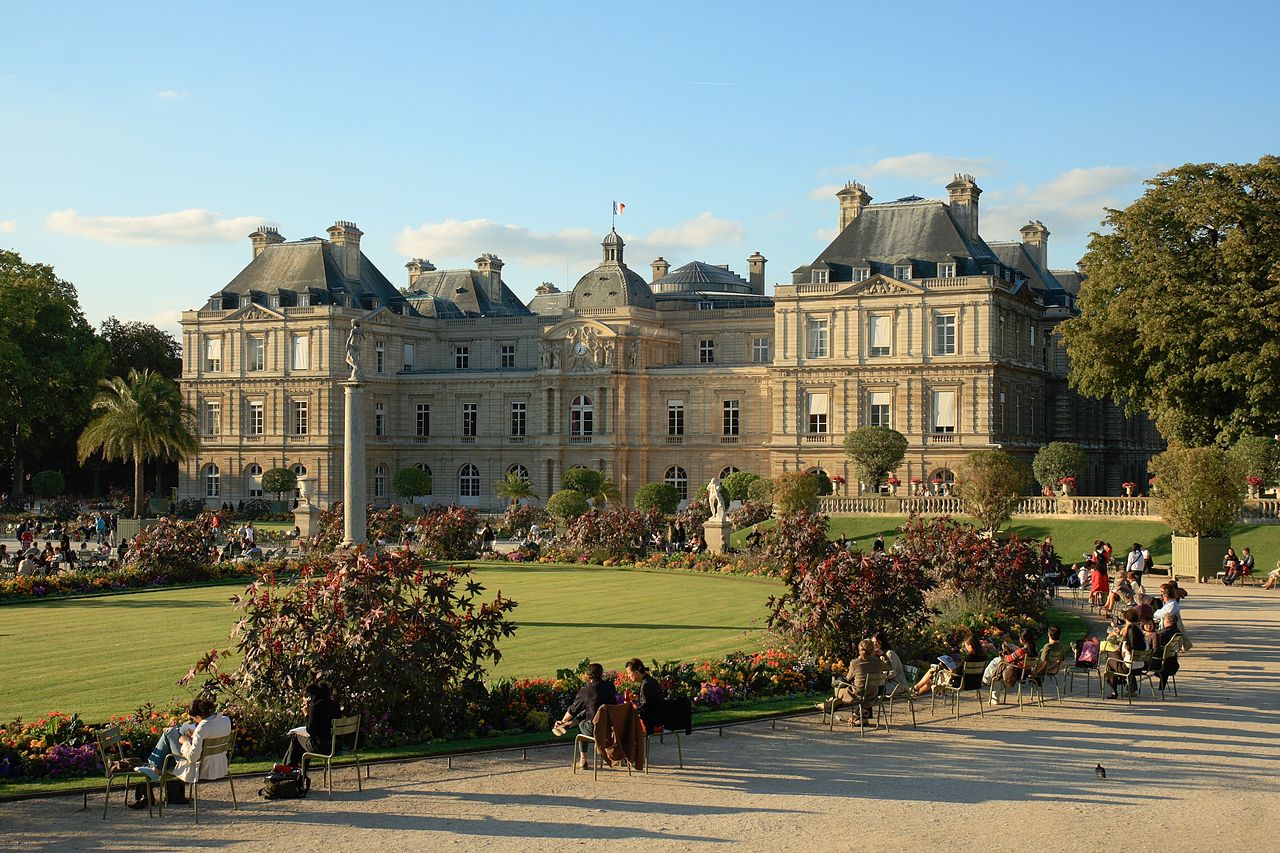


Design and principal elements
Designed by the architect Salomon de Brosse, the palace presents balanced wings, mansard roofs and a formal central corps de logis. Interior spaces include grand salons, ceremonial staircases and richly decorated chambers that historically displayed paintings, sculptures and tapestries. The complex is set beside the extensive Luxembourg Gardens, which function as the palace’s principal open setting.
History and evolution
Built for a queen mother who sought a residence reflecting Italian taste and royal dignity, the building has passed through many phases: private palace, state property, and various government uses. Over centuries it has been adapted, restored and reinterpreted while retaining its core 17th-century character. The palace has witnessed political change and cultural use, and its interiors contain layers of artistic and historical decoration.
Modern role and public access
Today the Luxembourg Palace is associated with France's legislative institutions and, since 1958, serves as the seat of the French Senate of the Fifth Republic. While parts of the building are reserved for parliamentary functions, the surrounding Luxembourg Gardens remain open to visitors and provide a major leisure and cultural resource in central Paris.
Notable facts
- The palace is closely linked to the adjacent gardens, which are among Paris's most visited public parks.
- Its architecture reflects a fusion of French and Italian influences, characteristic of royal patronage in the early 1600s.
- Beyond politics, the site is valued for art, conservation and urban history.
As a landmark, the Luxembourg Palace combines architectural distinction, historic resonance and ongoing civic purpose, making it a key point of reference in the city's urban and cultural landscape.
Related articles
Author
AlegsaOnline.com Luxembourg Palace (Palais du Luxembourg) Leandro Alegsa
URL: https://en.alegsaonline.com/art/60044
Sources
- senat.fr : "The Luxembourg Palace"