
Obstetrics
Obstetrics is the medical specialty focused on pregnancy, labor, delivery and immediate postpartum care, integrating clinical assessment, surgical and non-surgical interventions to safeguard mother and baby.
Obstetrics is the branch of medicine devoted to the care of women during pregnancy, labor and the postpartum period. It encompasses medical assessment, monitoring and interventions intended to promote the health of both the pregnant person and the fetus. Obstetric care ranges from routine prenatal visits to complex management of high-risk pregnancies and emergencies.
Image gallery
9 Images




Core activities and clinical components
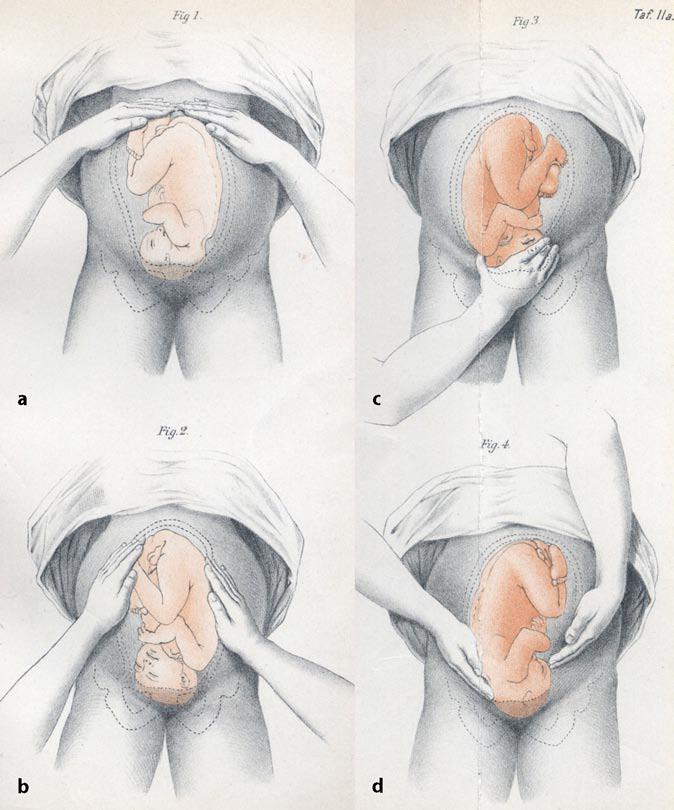
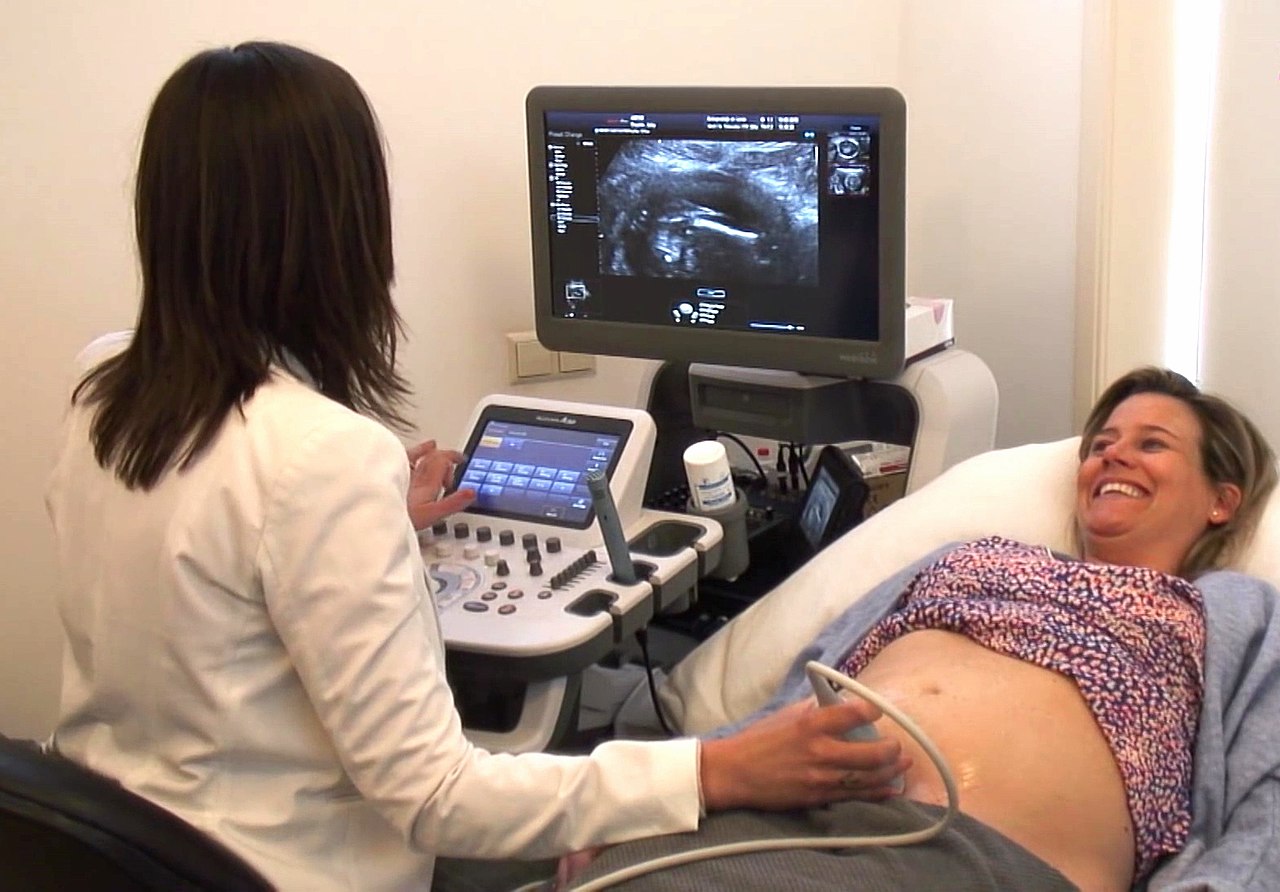
Typical obstetric practice includes antenatal screening and counseling, fetal ultrasound and monitoring, labor support and delivery management, and postpartum follow‑up. Practitioners coordinate care with midwives, anaesthetists, neonatologists and other specialists when complications arise. Decision making balances maternal and fetal wellbeing, informed consent, and available resources.
Common procedures and interventions include:
- Routine prenatal assessments and screening tests.
- Induction of labor and augmentation when indicated.
- Assisted vaginal delivery (forceps or vacuum) and cesarean section.
- Management of obstetric emergencies such as hemorrhage, pre-eclampsia, or infection.
History and development
Obstetrics has evolved from traditional midwifery to a modern medical specialty supported by advances in anatomy, anesthesia, antisepsis and fetal monitoring. Over the 19th and 20th centuries, surgical techniques and antibiotics reduced many causes of maternal and neonatal mortality. Contemporary obstetrics integrates evidence-based medicine, public health measures and reproductive rights.
Obstetrics overlaps with gynaecology but differs in focus: gynaecology addresses non‑pregnancy reproductive tract conditions, while obstetrics concentrates on pregnancy and childbirth. For information on prenatal care or services during pregnancy and childbirth, patients are advised to consult qualified providers and local clinical guidelines.
Notable aspects include the emphasis on multidisciplinary teamwork, the use of risk stratification to tailor care, and ongoing efforts to reduce disparities in maternal and neonatal outcomes worldwide.
Related articles
Author
AlegsaOnline.com Obstetrics Leandro Alegsa
URL: https://en.alegsaonline.com/art/71808