
Luigi Pirandello: Italian dramatist, novelist and pioneer of modern theatre
Overview of Luigi Pirandello (1867–1936), his life, major works, themes of identity and illusion, innovations in drama, and his influence on modern theatre and literature.
Luigi Pirandello (born in Agrigento 28 June 1867 — died in Rome 10 December 1936) was an Italian novelist, short‑story writer and dramatist whose experiments with theatrical form reshaped early 20th‑century drama. He received the Nobel Prize in Literature in 1934, cited for his striking reworking of stage practice. Pirandello combined psychological depth, ironic distance and metatheatrical devices to explore how identity and reality are constructed.
Image gallery
8 Images


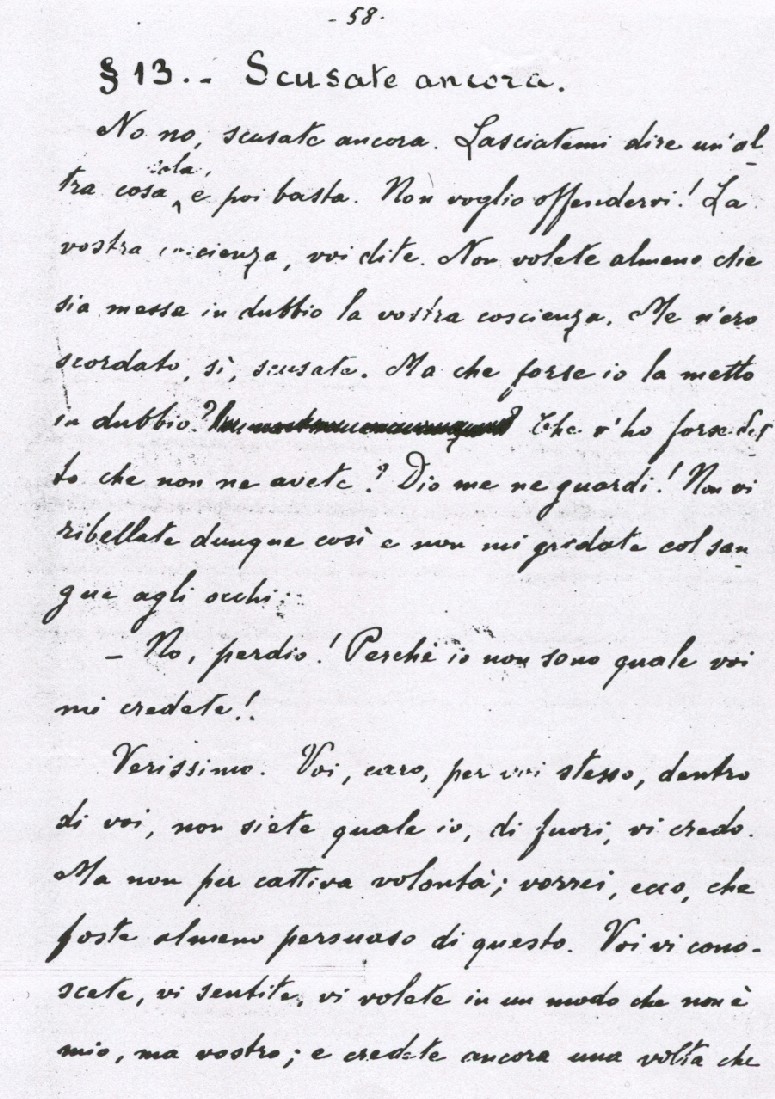
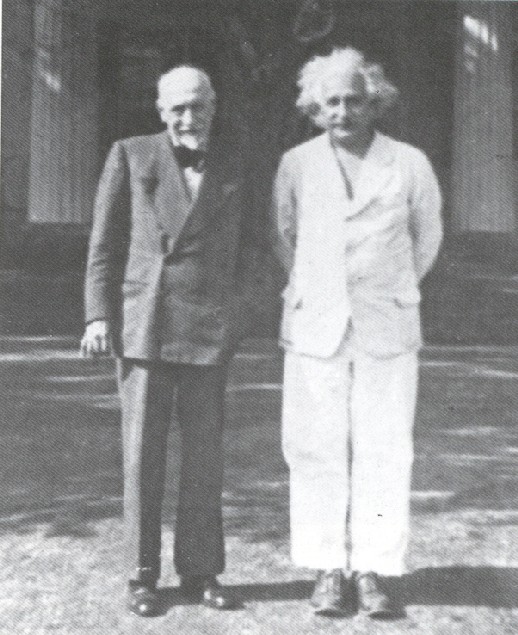

Major works and forms
Pirandello produced a large body of work that includes novels, hundreds of short stories, and roughly forty plays. His best‑known plays — often taught and performed internationally — include Six Characters in Search of an Author (Sei personaggi in cerca d'autore), Henry IV (Enrico IV) and Right You Are (If You Think So) (Così è (se vi pare)). Many of his shorter pieces and some plays were written in Sicilian or draw on Sicilian settings and characters, reflecting his regional roots and social experience. He experimented across genres, producing works best described as tragic farces or metatheatrical dramas.
Themes and techniques
Central themes in Pirandello's writing include the instability of self, the gap between public masks and inner truth, and the conflict between appearance and reality. He often staged plays within plays, broke the illusion of a unified authorial perspective, and used characters who question their own existence. These strategies force audiences to confront the act of representation itself and anticipate later developments in the Theatre of the Absurd.
Historical context and influence
Working in the decades before and after World War I, Pirandello reacted against naturalism and conventional psychological drama. His formal innovations influenced 20th‑century playwrights and theorists and helped pave the way for later avant‑garde theatre. Critics note his blend of comedy and tragedy — frequently called "tragic farce" — as a distinctive contribution that balances philosophical inquiry with stage action.
Legacy and reception
Pirandello's plays remain in the repertory worldwide and are frequently studied for their philosophical questions and stagecraft. He is widely regarded as a transitional figure between 19th‑century dramatic realism and modernist experiments in narrative and theatre. Scholarly and theatrical interest in his work continues, with translations and productions in many languages and ongoing critical debate about his ideas on identity and authorship. For further reading on his life and works, see collections and studies linked through annotated resources such as specialist bibliographies.
- Notable plays: Six Characters in Search of an Author, Henry IV, Right You Are.
- Key concerns: identity, reality vs. appearance, role of the author, theatrical illusion.
- Significance: Nobel Prize 1934; influence on modern drama and Theatre of the Absurd.
Questions and answers
Q: Who was Luigi Pirandello?
A: Luigi Pirandello was an Italian playwright, novelist, and short story writer.
Q: When and where was he born?
A: He was born in Agrigento, Italy on June 28th 1867.
Q: What did he win the Nobel Prize for?
A: He won the Nobel Prize in Literature in 1934 for his "bold and brilliant renovation of the drama and the stage".
Q: How many works did he create?
A: He created novels, hundreds of short stories, and about 40 plays.
Q: Was any of his work written in Sicilian?
A: Yes, some of his works were written in Sicilian.
Q: Is Pirandello's work seen as a precursor to Theatre of the Absurd?
A: Yes, his tragic farces are often seen as forerunners for Theatre of the Absurd.
Q: When did Luigi Pirandello die?
A: He died on December 10th 1936 in Rome.
Related articles
Author
AlegsaOnline.com Luigi Pirandello: Italian dramatist, novelist and pioneer of modern theatre Leandro Alegsa
URL: https://en.alegsaonline.com/art/59832