
Margrethe II of Denmark
Queen Margrethe II (born 1940) is the constitutional monarch of Denmark since 1972. Her long reign combines ceremonial state duties, cultural patronage and international representation.
Overview
Margrethe II (born Margrethe Alexandrine Þórhildur Ingrid on 16 April 1940) is the reigning Queen of Denmark. She became monarch in January 1972 after the death of her father, King Frederick IX. As head of state she performs ceremonial and representative functions, while executive power is exercised by elected government ministers under the Danish constitution. For official information see the royal household.
Image gallery
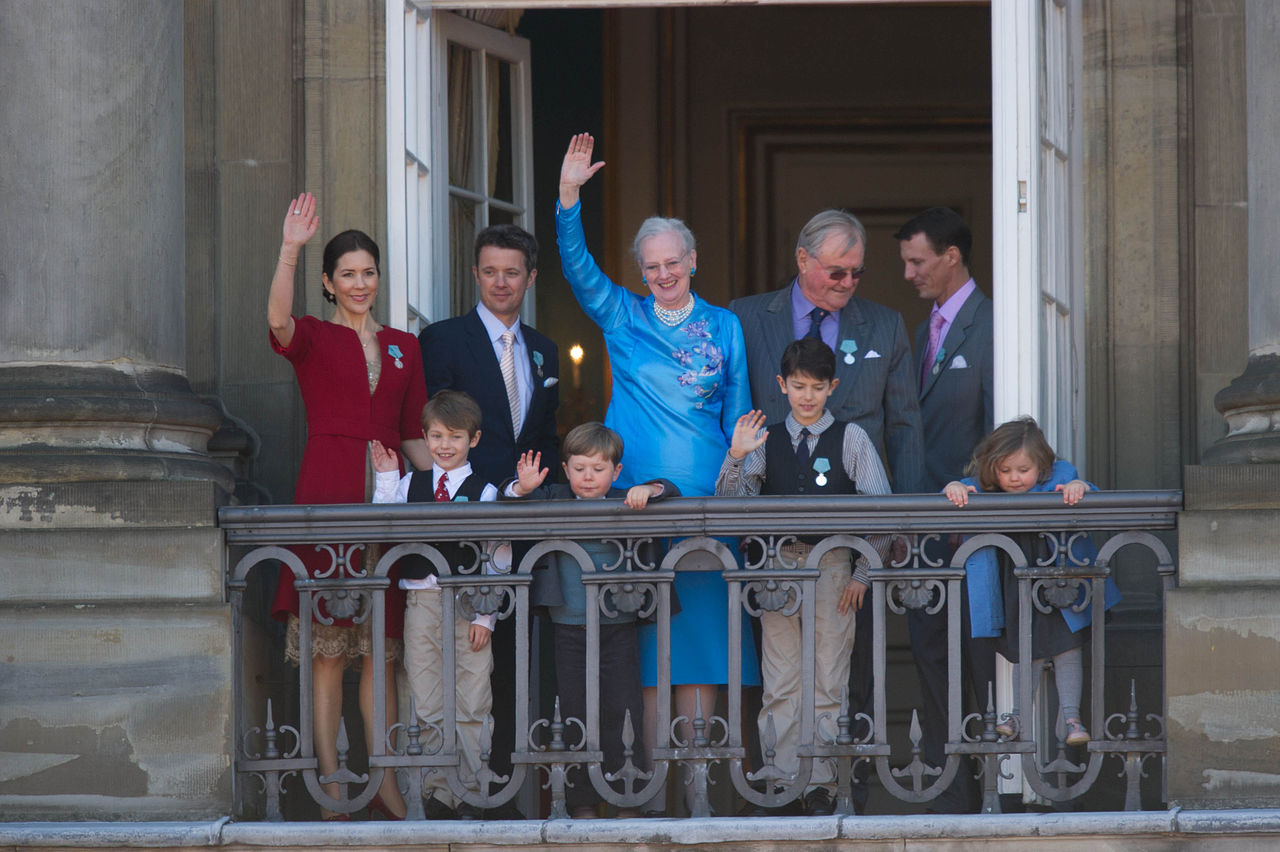
10 Images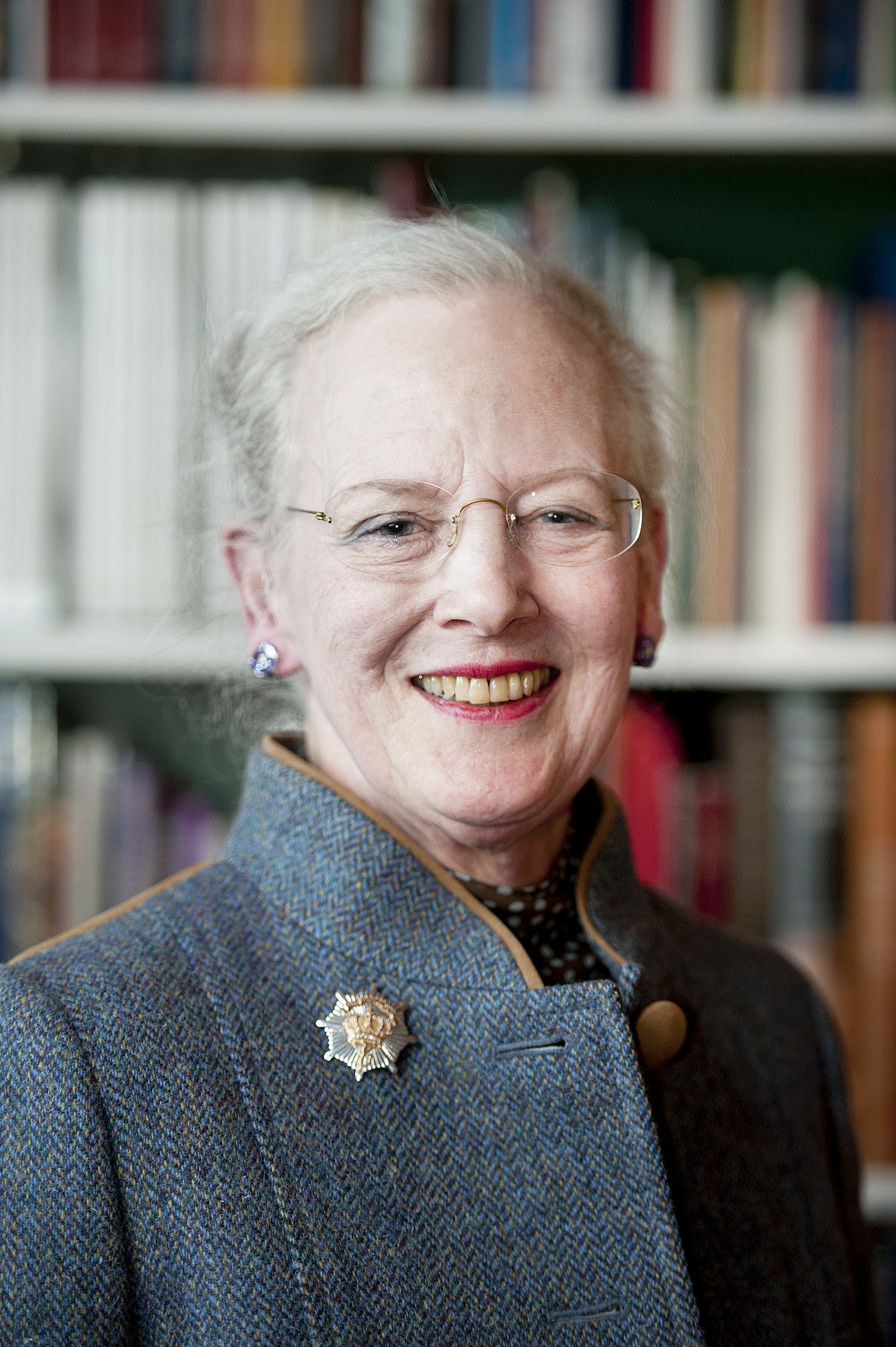




Early life and accession
Margrethe was born into the House of Glücksburg and grew up as the daughter of the king and queen. A 1953 change to the Danish Act of Succession allowed female inheritance of the throne, which made her heir presumptive. She ascended on the death of her father and has since been Denmark's sovereign for several decades.
Constitutional role and duties
The queen's role is chiefly symbolic and constitutional. Her regular duties include formal appointment of the prime minister, ratification of laws, receiving foreign envoys and performing state visits. She also opens sessions of the parliament and endorses official documents in accordance with constitutional practice.
Cultural patronage and public life
Margrethe II is known for active patronage of the arts, culture and charitable causes. She has taken part in cultural projects and supports museums, scholarships and social initiatives. Her public image combines tradition with steady modern engagement in national life.
Family and notable facts
- Married to Prince Henrik (deceased 2018); mother of Crown Prince Frederik and Prince Joachim.
- Speaks several languages and represents Denmark on state visits and international occasions.
- One of Europe's longest-reigning current monarchs, noted for stability and continuity in Danish public life.
Margrethe II remains a central figure in Denmark's constitutional monarchy, balancing ceremonial duties with personal involvement in cultural and charitable work.
Author
AlegsaOnline.com Margrethe II of Denmark Leandro Alegsa
URL: https://en.alegsaonline.com/art/125944