
Fresco (wall‑painting technique)
Fresco: painting on fresh lime plaster. Explains materials and steps (arriccio, intonaco, giornata), buon fresco vs secco, history from antiquity to the Renaissance, major examples and conservation issues.
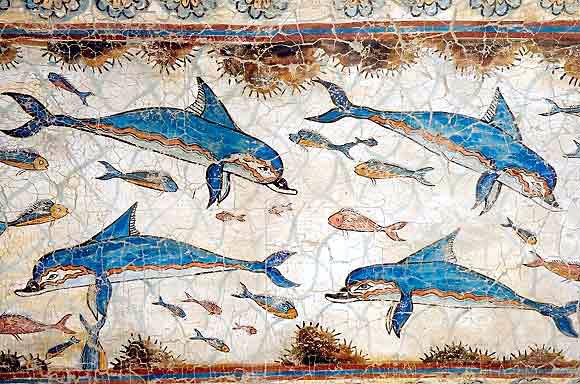
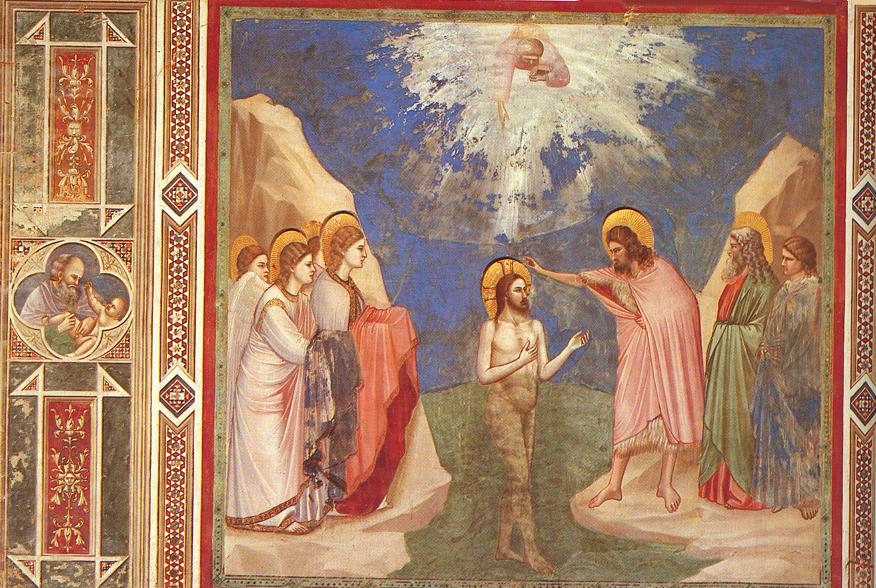
A fresco is a mural painting executed on fresh, wet lime plaster so that pigments become an integral part of the wall surface as the plaster cures. The Italian word fresco means "fresh," and in strict conservation and art‑historical usage it denotes this technique rather than any painted wall. True fresco is prized for its durability because pigments chemically bind with the drying plaster, producing colors that are relatively resistant to flaking.
Image gallery
10 Images




Materials and basic principle
The essential materials are a lime‑based plaster and mineral or earth pigments that will not be damaged by an alkaline environment. When lime plaster (calcium hydroxide) reacts with atmospheric carbon dioxide it forms calcium carbonate; pigments trapped in that matrix become fixed in place by this process. For general information or images of mural work see illustrations.
Typical preparation and working steps
Creating a fresco is a sequence of preparatory layers and carefully timed painting sessions. Common terms include:
- Arriccio – the rough, porous undercoat applied to the masonry;
- Intonaco – the smooth, fine topcoat painted while still wet;
- Giornata – the portion of intonaco a painter plans to complete in one day.
Working quickly is essential: artists apply pigments in water onto the damp intonaco and must finish each giornata before it dries.
Variants and distinctions
Art historians distinguish at least two broad approaches. Buon fresco (true fresco) is painted on wet plaster and relies on the chemical bonding described above. Fresco secco means pigments are applied to dry plaster and are fixed with a binder such as egg, glue, or casein; this allows finer detail and later retouching but is less durable. Some wall paintings commonly called frescoes are in fact secco work or mixed technique. For discussion of mural types see mural categories.
History and notable examples
Fresco techniques appear in the ancient Mediterranean and were widely used by Minoan and Roman painters; remarkably preserved examples survive at sites such as Pompeii. The method reached new heights during the Italian Renaissance: artists like Giotto, Masaccio, Raphael and Michelangelo executed large works on plaster—Michelangelo's ceiling in the Sistine Chapel is among the most famous. Fresco later influenced large‑scale public mural movements, including 20th‑century Mexican muralism.
Conservation and modern use
Frescoes are vulnerable to moisture, salts, structural movement and inappropriate earlier restorations. Conservation balances stabilizing the plaster, removing damaging salts, and conserving original pigments. Contemporary muralists sometimes adapt fresco techniques or combine them with modern materials; understanding the behavior of lime plaster remains central. Technical primers often begin with the properties of lime and aggregates in the plaster mix—see sources on plaster preparation for further study.
Because of its technical demands and its ability to integrate imagery with architecture, fresco continues to be valued both for historic works and for new public commissions that seek permanence and close integration with built space.
Related articles
Author
AlegsaOnline.com Fresco (wall‑painting technique) Leandro Alegsa
URL: https://en.alegsaonline.com/art/36639