
Angolan Civil War (1975–2002): Causes, course and consequences
Overview of the Angolan Civil War, its main factions, international involvement during the Cold War, humanitarian toll, peace process and postwar challenges.
Overview
The Angolan Civil War was a protracted and destructive conflict in the southwest African nation of Angola that lasted from 1975, immediately after independence, until 2002. It emerged as rival liberation movements competed to control the newly sovereign state following the end of Portuguese rule. The struggle combined local political rivalries with international Cold War dynamics and left deep demographic, economic and physical scars across the country.
Image gallery
10 Images

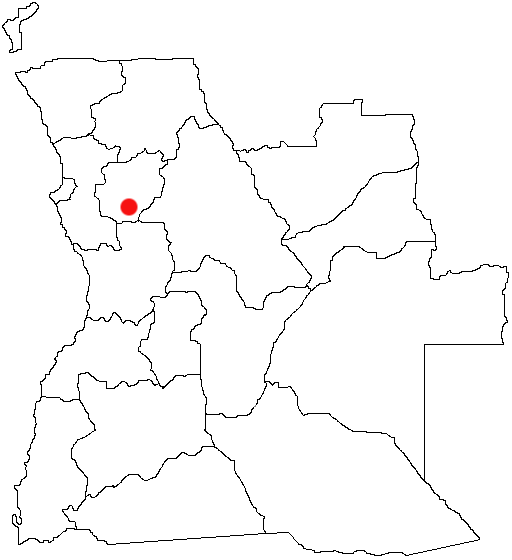


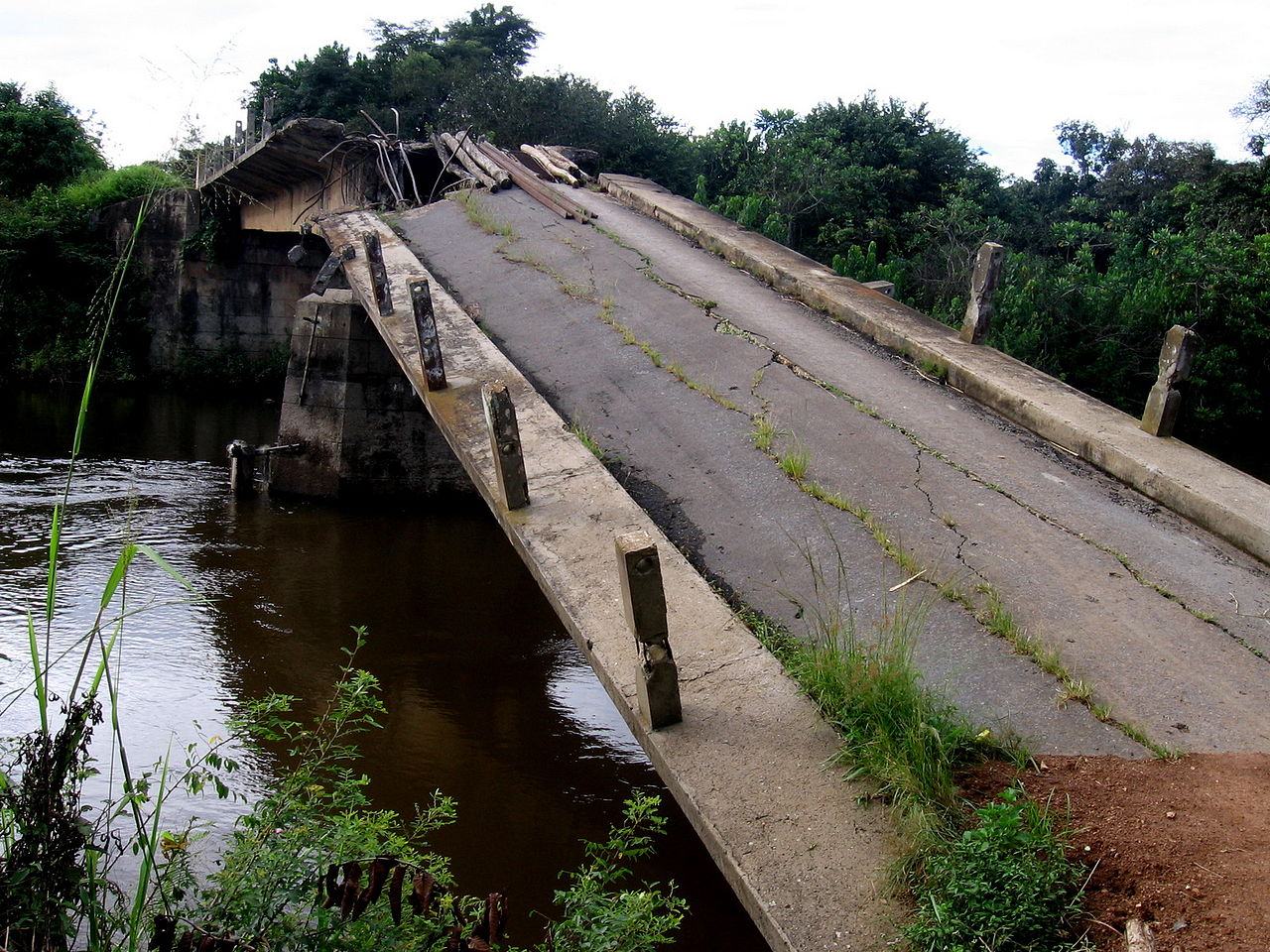


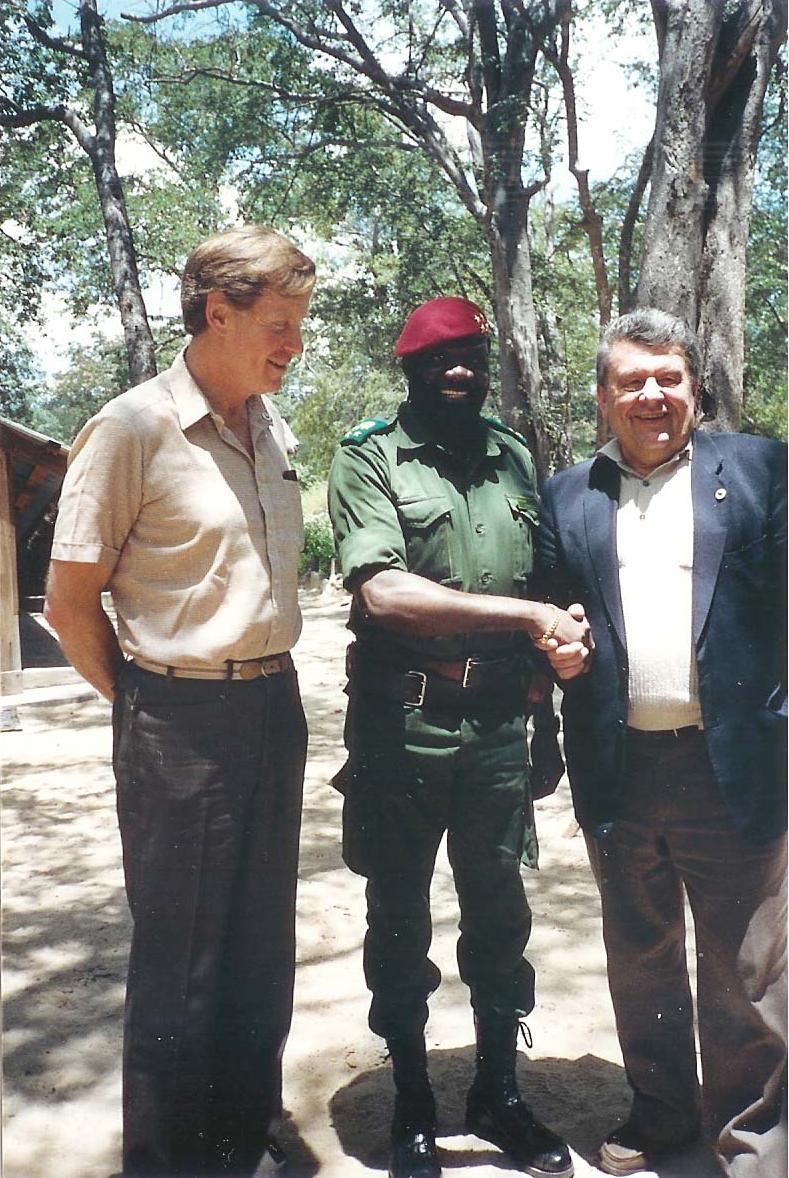

Main factions and supporters
Three principal movements were prominent at different stages: the People's Movement for the Liberation of Angola (MPLA), the National Union for the Total Independence of Angola (UNITA), and the National Front for the Liberation of Angola (FNLA). The MPLA eventually became the governing party, while UNITA led the principal armed opposition. External powers supplied weapons, troops or diplomatic backing: Cuba and the Soviet bloc provided substantial support to the MPLA, while South Africa and, in varying degrees and forms, Western intelligence agencies and allies tilted toward UNITA. These alignments made the war a theater of the broader Cold War.
Origins and course of the conflict
The war began in the chaotic months after Angola's independence from Portugal in November 1975. Early efforts at settlement produced intermittent ceasefires and accords—most notably attempts at political reconciliation in the early 1990s—but fighting resumed several times. A notable moment in 2002 was the death of UNITA's longtime leader, which helped precipitate the final break in hostilities and paved the way for disarmament and a government victory for the MPLA. Throughout the conflict, control of strategic resources such as oil and diamonds influenced both strategies and international involvement.
Humanitarian and economic impact
The human cost was severe: estimates place wartime fatalities in the hundreds of thousands and millions were internally displaced or became refugees. Landmines and unexploded ordnance remained a pervasive danger long after active fighting subsided. The war devastated infrastructure, health systems and rural livelihoods; for example, in the years immediately after the conflict many communities lacked reliable access to medical services and clean water. By the early 2000s indicators such as child mortality and average life expectancy reflected this accumulated damage.
Peace efforts and reconstruction
Multiple agreements and international initiatives sought to end the violence, including negotiated accords in the 1990s and comprehensive demobilization after 2002. Postwar recovery focused on clearing mines, reintegrating former combatants, rebuilding roads and clinics, and restoring governance. The central government retained power and used revenues from oil and other resources to fund reconstruction, though the distribution of benefits and governance issues have remained subjects of domestic debate.
Legacy and notable facts
The conflict shaped Angola's politics and society for a generation. It is commonly studied as an example of how decolonization, domestic rivalries and international rivalries interlock. The war is also remembered for its humanitarian consequences and for the role natural resources played in prolonging violence. For more detailed timelines and primary documents related to the conflict, see entries and source materials on the Angolan Civil War and historical overviews of Angola and its decolonization, as well as general treatments of the Cold War period in Africa. Contemporary analyses and aid organization reports continue to document recovery progress and ongoing challenges in landmine clearance and service delivery.
Key points:
- Duration: 1975–2002, following independence.
- Main rivals: MPLA (government) and UNITA (rebels), with early involvement by FNLA.
- Internationalization through Cold War rivalries and regional interventions.
- Long-term consequences: large civilian toll, displacement, infrastructure damage and contamination by landmines.
For further reading consult historical surveys, diplomatic archives and humanitarian assessments that chronicle the conflict's phases and the complex mix of local and international factors that sustained it. Official timelines and postwar evaluations provide additional context for reconstruction and reconciliation efforts underway since 2002.
Tags
Related articles
Author
AlegsaOnline.com Angolan Civil War (1975–2002): Causes, course and consequences Leandro Alegsa
URL: https://en.alegsaonline.com/art/4212
Sources
- africancrisis.co.za : africancrisis.co.za/404
- essex.ac.uk : "UNFORTUNATELY, THIS SERVICE NO LONGER AVAILABLE - University of Essex"
- cubamatinal.com : La Guerras Secretas de Fidel Castro
- reformed-theology.org : "CHAPTER XI: Chevron-Gulf Keeps Marxist Angola Afloat"
- mongabay.com : "struggle,_civil_war,_and_intervention.html Angola-Independence Struggle, Civil War, and Intervention"
- natna.wordpress.com : "Fidel Castro of Africa! - Natna"
- books.google.com : "Bush War: The Road to Cuito Cuanavale: Soviet Soldiers's Accounts of the Angolan War"
- pravdareport.com : "Soviet Union and Russia lost 25,000 military men in foreign countries"
- corpwatch.org : "Report Alleges US Role in Angola Arms-for-Oil Scandal"
- query.nytimes.com : "Angolans Come Home to 'Negative Peace'"