
Lot (biblical figure)
Lot, nephew of Abraham in Genesis, lived in Sodom, welcomed visiting angels, fled the cities' destruction (his wife became a pillar of salt), and fathered the ancestors of Moab and Ammon.
Lot is a figure in the Book of Genesis who appears as the nephew of Abraham and as a resident of the cities of the plain. The narrative that concerns him is found in several chapters of Genesis and presents themes of choice, hospitality, judgment and kinship. Traditional summaries identify him as a patriarchal character connected to Abraham's family and to the origins of neighboring peoples.
Image gallery
9 Images




Name, family and early life
The biblical account situates Lot within Abraham's household. He is usually described as the son of Abraham's brother and travels with Abraham during migrations. At a point when their combined wealth and herds create strain on the land, the two men separate; Lot chooses to settle near the cities of the plain.
Residence near Sodom and Gomorrah
Lot's decision leads him to the fertile area near Sodom and Gomorrah. The narrative associates the cities with pervasive social behavior that, in the biblical story, provokes divine judgment. Lot is depicted both as part of the local community and as someone who retains connections to Abraham and to a different moral tradition.
Hospitality and the visiting messengers
A central episode describes visitors who are received by Lot. The men are identified as messengers or angels sent to warn of coming destruction. Lot's offering of shelter and protection to the visitors is often highlighted in discussions of hospitality in the ancient Near Eastern context and in later moral teaching.
Escape and the fate of Lot's wife
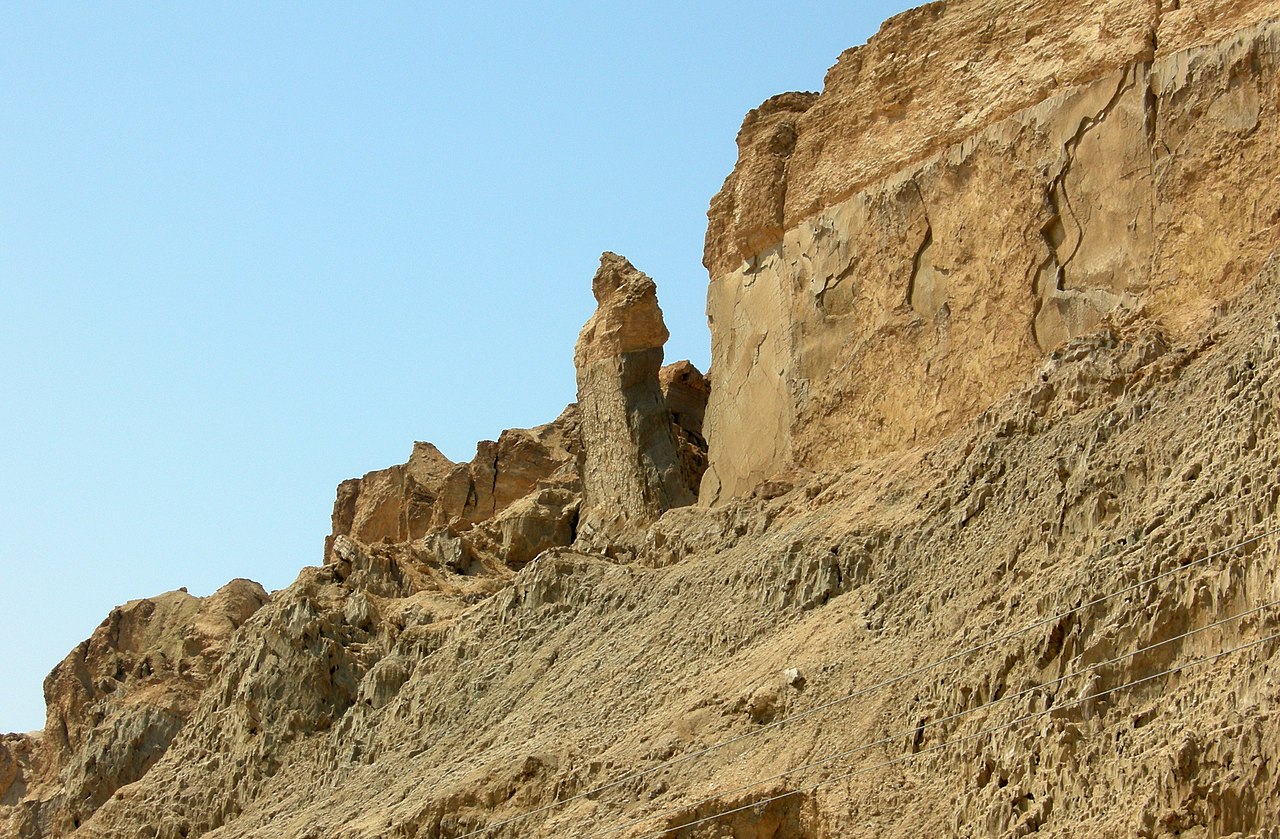
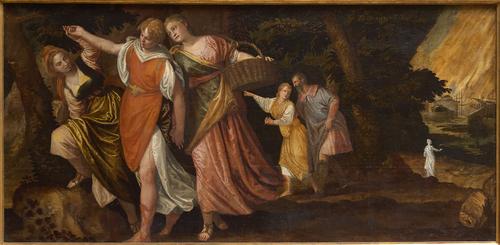
When the visitors urge Lot to flee the doomed cities, he departs with his family. According to the text, Lot's wife looks back as the destruction comes upon the cities and is transformed into "a pillar of salt." This detail has been widely commented on in religious, artistic, and literary traditions as a symbol of attachment to a sinful place or as a cautionary image against disobedience.
Aftermath and descendants
After the destruction, the story records an episode in which Lot's daughters, believing they and their father may be the only survivors, make him drunk and conceive by him. The children born to the daughters are named in the narrative as progenitors of groups traditionally associated with the Moabites and the Ammonites. These etiological elements explain, within the narrative frame, the origins of neighboring peoples in relation to Abraham's family.
Interpretation and religious reception
Jewish, Christian and Islamic commentaries have approached Lot's story in varied ways. He is sometimes praised for hospitality and partial righteousness, while other readings emphasize moral ambiguity and failure. The episode with his daughters has prompted considerable ethical and exegetical commentary. The story is used in different traditions to discuss themes of judgment, mercy, covenant, and the social boundaries between communities.
Historicity and scholarly perspectives
Scholars treat the narrative as a complex mixture of etiological legend, moral instruction and localized tradition. Archaeological work in the southern Levant explores settlement patterns and material culture but cannot directly confirm the specific events of the narrative. Many historians and biblical scholars therefore present Lot's account as part of the broader literary and theological fabric of Genesis rather than as a verifiable historical chronicle.
Cultural legacy
The figure of Lot, the image of his wife as a pillar of salt, and the naming of Moab and Ammon have endured in art, literature and speech as potent references. Lot's hospitality and his moral shortcomings continue to be used as motifs in sermons, poems, paintings and discussions of ancient law and ethics.
Further reading
- Primary text: the Book of Genesis provides the full narrative sections concerning Lot.
- For comparative study of the peoples named in the story see traditional genealogical discussions and regional histories that treat Moab and Ammon in their Near Eastern context.
- Assessments of the text's themes are discussed in works on hospitality and ancient law; for introductions to the narrative and its interpretation a general study of patriarchal narratives and angelic visitations is useful, as is commentary that treats Lot in relation to Abraham (patriarchal relationships).
Related articles
Author
AlegsaOnline.com Lot (biblical figure) Leandro Alegsa
URL: https://en.alegsaonline.com/art/59347