
The Cure (English rock band)
English rock band formed in Crawley in 1978, led by Robert Smith. Known for shaping post‑punk, gothic rock and alternative pop with moody atmospheres, enduring songs and an influential career spanning decades.
Overview
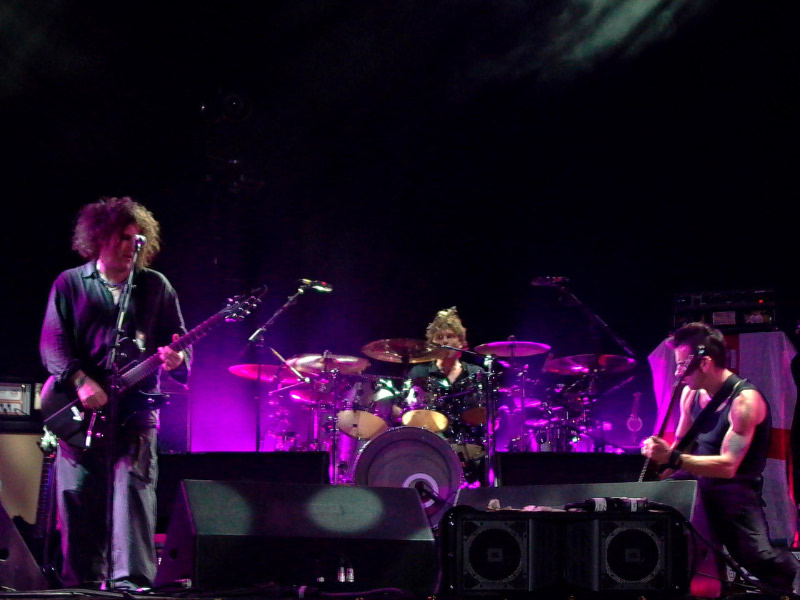
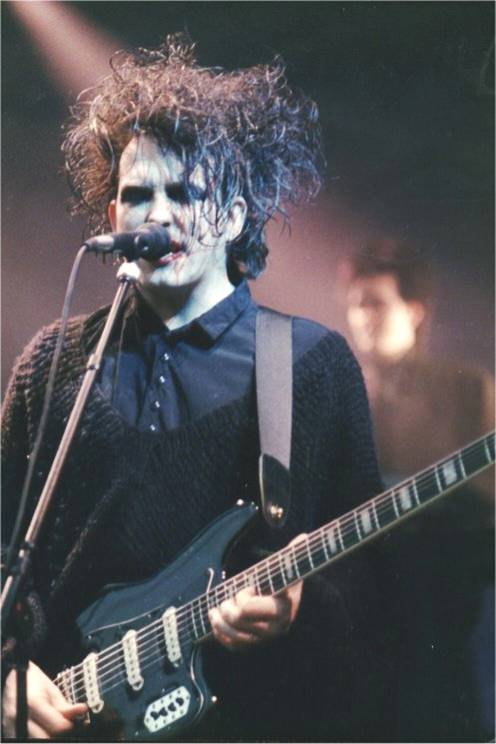
The Cure are an English rock band formed in Crawley, West Sussex, in 1978 and long identified with singer, songwriter and guitarist Robert Smith. Across a varied career they combined elements of post‑punk, gothic rock and melodic alternative pop, creating a signature mix of melancholic atmospheres and accessible hooks. Their work has reached both underground scenes and mainstream audiences, and their aesthetic and songwriting have become influential touchstones for later alternative musicians. For an introduction and basic facts see band summary.
Image gallery
5 Images


History and development
The group emerged from the late 1970s British music scene and evolved through numerous lineups while retaining a consistent creative center in Smith. Early releases established a spare, brooding sound that expanded into more richly produced albums and diverse pop experiments. Important phases include the early post‑punk records, a period of darker, gothic‑tinged albums, and later work that balanced introspection with brighter, hook‑driven songs. Chronologies and timelines are available at several archival resources: timeline and archive overview.
Style, themes and live performances
Musically The Cure blend minimalist textures, chiming guitars and synthesizer atmospheres with both sombre balladry and upbeat pop songs. Lyrical themes often address introspection, love, loss and existential reflection. Their live shows have ranged from intimate club sets to major festival headline performances, notable for dramatic shifts in mood and a strong visual identity. Documentation of tours and setlists can be found through concert archives: tour archive and live history.
Influence and legacy
The Cure influenced many alternative, indie and gothic rock bands and are frequently cited in retrospectives on late 20th‑century British popular music. They are admired for longevity, a distinctive aesthetic, and for keeping a consistent artistic voice despite lineup changes. Critical appraisals, essays and collected commentary explore their role in popular music: critical commentary and retrospectives.
Selected discography and notable songs
- Three Imaginary Boys (early landmark)
- Seventeen Seconds (developing mood and texture)
- Faith (dark tonal work)
- Pornography (intense gothic direction)
- The Head on the Door (pop accessibility)
- Kiss Me, Kiss Me, Kiss Me (commercial breadth)
- Disintegration (widely cited classic)
Notable songs that reached broad recognition include "Boys Don't Cry", "Just Like Heaven" and "Lullaby", which exemplify the band's ability to combine memorable melodies with melancholic lyrical themes.
Related articles
Author
AlegsaOnline.com The Cure (English rock band) Leandro Alegsa
URL: https://en.alegsaonline.com/art/97834
Sources
- stereogum.com : "Robert Smith: Not Goth, Has Writer's Block"
- mtv.co.uk : "The Cure Announce Return - MTV UK"