
Louie Louie: origin, recordings, controversy and cultural legacy
A rhythm and blues song written by Richard Berry (1955) and popularized by The Kingsmen (1963). Known for its three‑chord drive, garbled vocals, an FBI inquiry, and wide influence on garage rock and popular culture.
Overview
"Louie Louie" began as a rhythm and blues tune written by Richard Berry in the mid-1950s and became a rock standard after a rough, widely imitated 1963 recording by The Kingsmen. The lyrics, in the first person, tell the simple tale of a sailor returning to a Caribbean island to see his beloved. Its catchy chorus, repetitive structure and sing-along quality helped the song travel from small clubs to mainstream radio and into countless amateur and professional interpretations.
Image gallery
9 Images


Composition and musical characteristics
Musically, "Louie Louie" is built on a simple, repetitive three-chord progression and a steady 4/4 rhythm. The arrangement usually centers on a driving backbeat, a rhythmic guitar pattern and a loose, shuffling groove that favors energy over precision. Vocals in many popular versions are deliberately raw or slurred, which masks some of the words but heightens the song's direct emotional appeal. These characteristics made it ideal for garage bands and community performances, as it required little technical skill but offered high crowd participation.
Early history and Richard Berry
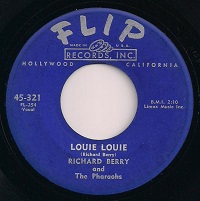
Richard Berry composed the song in the 1950s, drawing on Caribbean influences and contemporary R&B conventions. His original version presented the melody and narrative in a smoother, more rhythm-and-blues oriented arrangement than many later rock interpretations. Berry's authorship provided the melodic hook and lyrical simplicity that allowed successive performers to reshape the tune for new audiences and styles.
The Kingsmen recording and the controversy
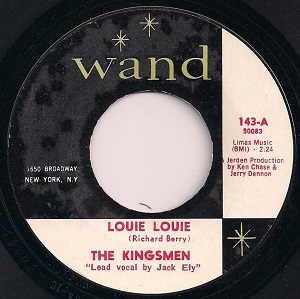
The Kingsmen's 1963 recording captured a raw, live-band energy that made the song famous. Because the lead vocal was often unintelligible, rumors spread that the lyrics contained obscene language. Those rumors prompted a formal inquiry by U.S. authorities; after analysis, investigators concluded that the recording's words were unintelligible and did not support prosecution. Ironically, the released track does include an audible studio moment in which the drummer yells after dropping a stick, a fact often mentioned in accounts of the session.
Reception and chart performance
Although The Kingsmen's version did not reach number one on every national chart, it was widely popular and reached the top of some listings, becoming a cultural touchstone of its moment. It is often remembered as an emblem of pre-Beatlemania American rock radio and is cited in many retrospectives as a significant single of the early 1960s.
Cover versions, recordings and performance tradition
"Louie Louie" has been recorded, adapted and performed in hundreds of versions by amateur and professional artists alike. Its simple structure encouraged reinterpretation across styles, from faithful R&B arrangements to punk, garage and novelty takes. The song became a favorite for school bands, party sets and local bars, contributing to its reputation as one of the most frequently performed tunes in popular music.
Legacy and cultural significance
The song is widely cited as a quintessential piece of garage rock and an influence on later DIY movements in rock and punk. Music historians point to "Louie Louie" as an example of how straightforward songwriting and energetic performance could achieve mass appeal outside polished studio production. It also entered popular culture as shorthand for raw youth music, fraternal gatherings and the persistent appeal of a simple, communal sing-along.
Notable features and distinctions
- Accessible structure: a three-chord pattern that invites reinterpretation by performers of varied skill levels.
- Ambiguous lyrics: slurred delivery in the best-known recording fueled myths and an official inquiry.
- Wide appeal: embraced by amateur musicians, bar bands and influential in garage and punk movements.
- Cultural marker: the Kingsmen's version is often referenced when discussing 1960s youth culture and early rock controversies.
For readers seeking broader musical context, consult resources on its rhythm and blues roots and on the garage rock movement: rhythm and blues background and garage rock context. These sources can help situate "Louie Louie" within mid-20th-century popular music trends and trace how a simple song became a lasting cultural emblem.
Related articles
Author
AlegsaOnline.com Louie Louie: origin, recordings, controversy and cultural legacy Leandro Alegsa
URL: https://en.alegsaonline.com/art/59410