
Lori Province (Armenia): geography, history, and cultural heritage
Lori is a mountainous province in northern Armenia, bordering Georgia. Known for Vanadzor, medieval monasteries (Haghpat, Sanahin), Debed Canyon, and cultural figures such as Sayat‑Nova and Hovhannes Tumanyan.
Overview
Lori is a province in the north of Armenia, sharing a frontier with Georgia. Its administrative centre is Vanadzor, and Stepanavan is the province's second‑largest town. Lori combines highland landscapes, deep river gorges and long human occupation, and it remains an important cultural and transport corridor between the Armenian interior and the Caucasus.
Image gallery
10 Images




Geography and environment
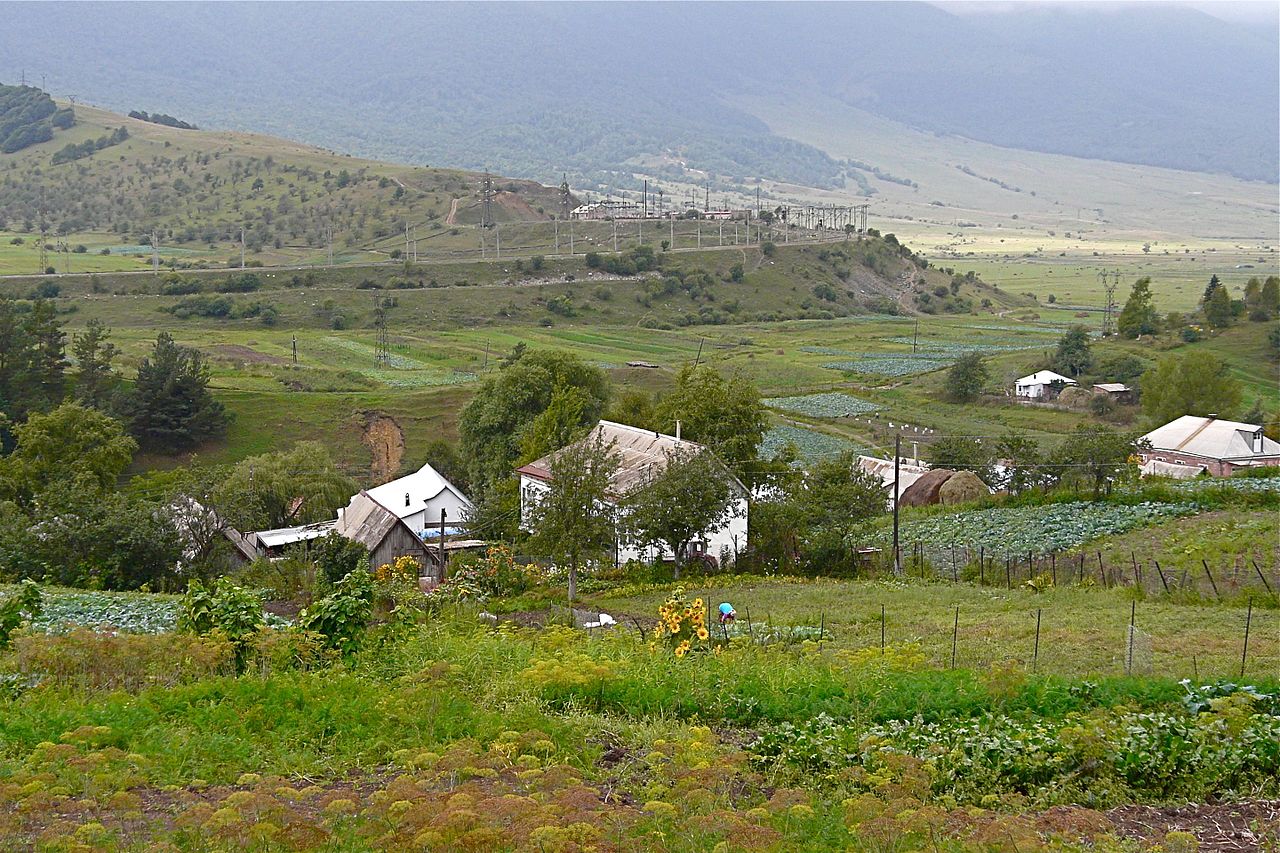
The region is largely mountainous, with slopes, forested plateaus and the Debed River cutting through steep canyons. Elevations vary significantly, producing a climate of cool summers and snowy winters at higher altitudes. The province supports mixed agriculture, timber and mountain pastures, and includes protected natural areas and scenic viewpoints visited by hikers and nature enthusiasts.
History and seismic events
Lori lies within the bounds of the historic province often called Gugark in medieval sources, and it developed as a frontier zone of Armenian principalities and later imperial administrations. The modern region was heavily affected by the 1988 earthquakes centered near Spitak, which damaged towns, infrastructure and industry and prompted extensive reconstruction efforts in the following decades.
Cultural heritage and notable people
Lori preserves several of Armenia's best‑known medieval monuments. The twin monastic complexes of Haghpat and Sanahin, built between roughly the 10th and 13th centuries, are listed by UNESCO for their architectural and artistic value. Other important sites include the fortress‑monastery at Akhtala and churches at Odzun and Kobayr.
- Haghpat and Sanahin monasteries — major medieval centers of learning and architecture.
- Akhtala — noted for its frescoes and defensive walls.
- Debed Canyon — a prominent natural corridor with cultural monuments.
Several prominent Armenian cultural and political figures were born in Lori, including the ashugh and musician Sayat‑Nova, poet Hovhannes Tumanyan, and the brothers Artem and Anastas Mikoyan, noted respectively as an aircraft designer and a Soviet statesman (Artem Mikoyan, Anastas Mikoyan).
Administration, economy and communities
The province is divided into a number of urban and rural communities; administratively it contains eight urban communities and 105 rural communities. Historically industrial towns developed around mining, metallurgy and chemical processing; agriculture, food production, timber and small‑scale manufacturing remain important today. Efforts to diversify the local economy include tourism and nature conservation.
Tourism, transport and distinctions
Lori is accessible by road and rail corridors that connect northern Armenia with Yerevan and neighboring Georgia, making it a gateway for cross‑border travel. Visitors are attracted by its monasteries, carved medieval churches, the dramatic landscapes of the Debed Gorge and small traditional villages. The combination of architectural heritage, notable natives and natural scenery gives Lori a distinctive place in Armenia's cultural geography.
See also: regional monuments, seismic history and ongoing restoration projects in northern Armenia.
Administration breakdown
Since the administrative reform of November 2017, the Armenian province of Lori includes 57 municipalities, of which seven are urban and 50 are rural:
| Municipality | Area (km2) | Population | Incorporated settlements |
| Achtala | Achtala Aroghjaranin Kiz, Bendik, Mez Ajrum, Neghoz, Pokr Ajrum, Shamlugh, Chochkan, Werin Achtala | ||
| Alawerdi | Akner, Akori, Jilisa, Kachachkut, Haghpat, Zaghkashat | ||
| Spitak | 5,5 | 13.000 | |
| Stepanawan | 14 | 12.800 | Armanis, Katnaghbjur, Urasar |
| Tashir | Blagodarnoye, Dashtadem, Getawan, Katnarat, Kruglaja Shishka, Lernahovit, Medovka, Meghvahovit, Noramut, Novoseltsovo, Saratovka | ||
| Tumanjan | Kober Kajaran, Shamut, Lorut, Ahnidsor, Atan, Marz, Karindsch | ||
| 32 | 82.200 |
Personalities
- Haruthiun Abeljanz (1849-1921), Swiss chemist
Related articles
Author
AlegsaOnline.com Lori Province (Armenia): geography, history, and cultural heritage Leandro Alegsa
URL: https://en.alegsaonline.com/art/59252
Sources
- armstat.am : "RA Lori Marz"