
Lorestan Province, Iran
Mountainous province in western Iran, located in the Zagros Mountains. Homeland of the Lurs and the Luri language, noted for rugged landscapes, rich archaeology, traditional crafts and cities such as Khorramabad.
Overview
Lorestan is a province in western Iran, occupying a central sector of the Zagros highlands. The region is widely recognised as the traditional homeland of the Lurs, an Iranian ethnic group, and as an area where the Luri language and its dialects are widely spoken alongside Persian. Lorestan combines mountainous terrain, river valleys and plateaus and has a long record of human settlement and regional cultural continuity.
Image gallery
10 Images




Geography and climate
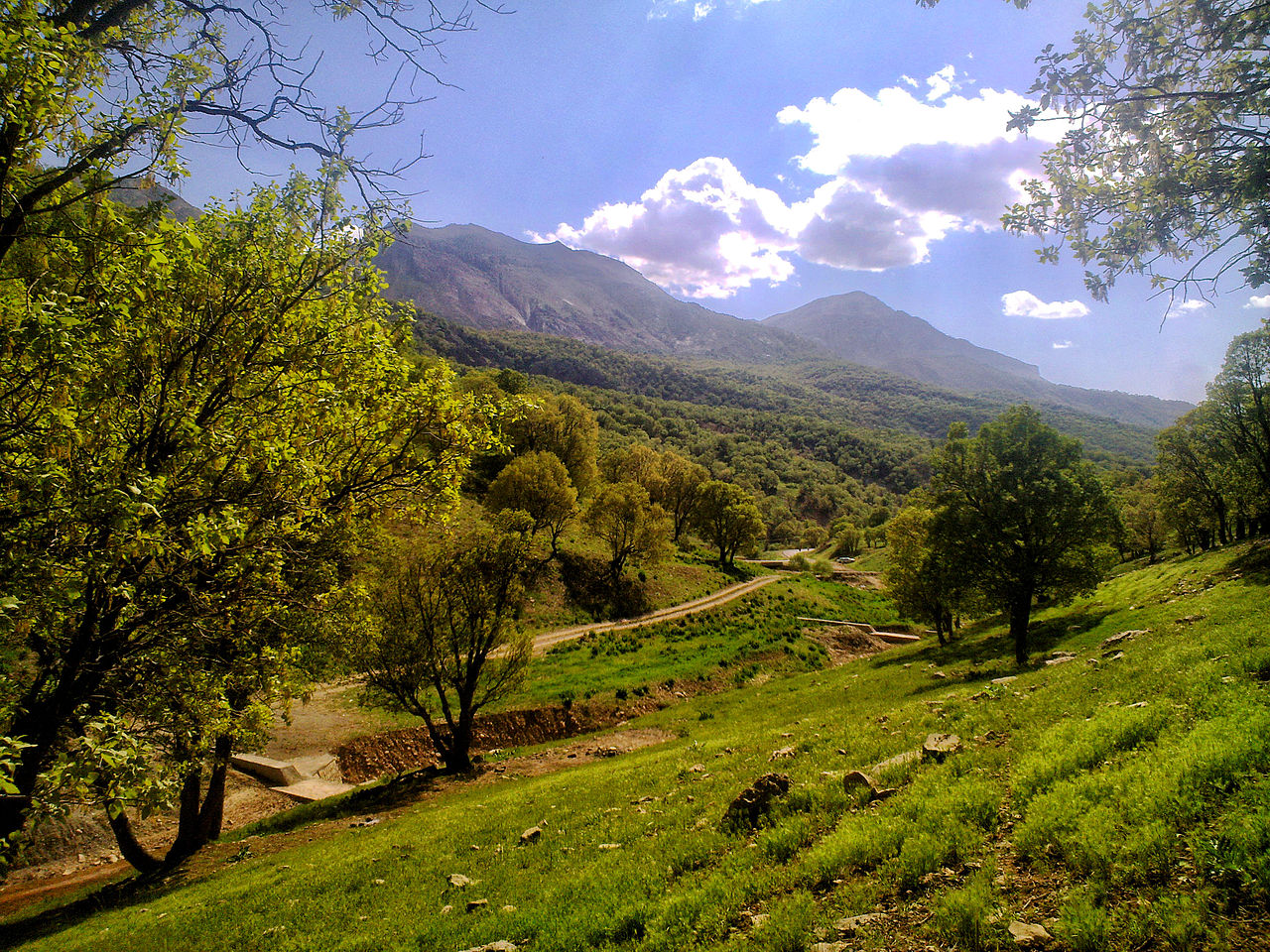
Located within the broader Zagros Mountains, Lorestan’s landscape is dominated by folded ranges, deep gorges and highland pastures. Elevation and exposure produce local differences in climate: higher slopes have cold winters and summer pastures, while sheltered valleys experience milder conditions and support agriculture. Streams, springs and waterfalls are common features that contribute to scenic value and local irrigation.
History and archaeology
The province has archaeological remains spanning prehistoric periods through historic times. Excavations and surface finds show habitation from ancient eras, including fortified settlements, burial mounds and artifacts that indicate long-standing connections with neighbouring Iranian cultural zones. Medieval castles and caravan-route settlements testify to Lorestan’s strategic position along mountain corridors.
Population, language and culture
The majority of inhabitants identify as Lur and speak Luri varieties, which form a distinct branch of the western Iranian languages. Cultural life includes distinctive music, oral poetry, traditional clothing and crafts such as weaving, carpet-making and metalwork. Local festivals, seasonal transhumance practices and communal life in villages maintain cultural continuity while urban centres offer modern services and education.
Economy and land use
Economic activities mix agriculture, pastoralism, small industry and services. Fertile valley floors and irrigated lands produce cereals, fruits and horticultural crops; upland pastures support sheep and goat herding. Local markets and handicraft production contribute to household incomes. Tourism, mainly domestic, is drawn by natural scenery and historic monuments.
Cities, transport and attractions
Principal urban centres include Khorramabad (the provincial capital), Borujerd and Aligudarz (sometimes rendered Aligoodarz), each serving as regional hubs for trade and administration. Notable attractions include historic citadels, caves, waterfalls and mountain routes used for hiking and rural tourism. Road links connect the province with neighbouring regions, while local infrastructure varies between urban and remote highland areas.
Conservation and environment
Lorestan’s mountain ecosystems host diverse plant communities and wildlife adapted to highland conditions. Conservation challenges include balancing pastoral and agricultural use with protection of water sources and natural habitats. Local and national authorities, together with community initiatives, play roles in managing natural and cultural heritage.
Related articles
Author
AlegsaOnline.com Lorestan Province, Iran Leandro Alegsa
URL: https://en.alegsaonline.com/art/59245