
Logar Province — eastern Afghan region centered on Pul-i-Alam
Logar Province lies east of Kabul in Afghanistan. Its capital is Pul-i-Alam. The province is mainly Pashtun, agricultural, and notable for the Mes Aynak archaeological and copper site.
Overview
Logar is a province in eastern Afghanistan, located just south of Kabul and forming part of the country’s central-eastern highlands. Its administrative centre is Pul-i-Alam (also spelled Puli Alam). Local names include the Pashto form written as لوګر and a Persian (Dari) form لوگَر; the region is one of Afghanistan’s 34 provinces and lies within the broader Kabul region. Pashto, Persian (Dari) and other local languages are used in daily life, and the province is linked economically and logistically with the capital city. Afghanistan maps typically show Logar as a narrow province of valleys and mountains near major east–west routes.
Image gallery
5 Images


Geography and administration
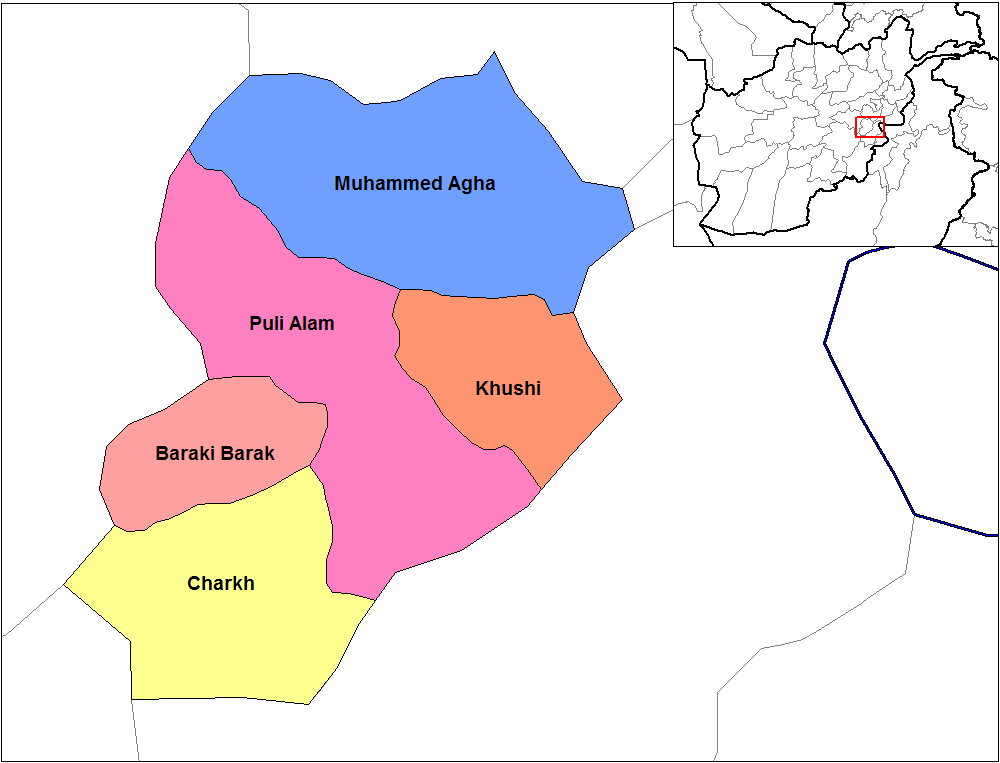
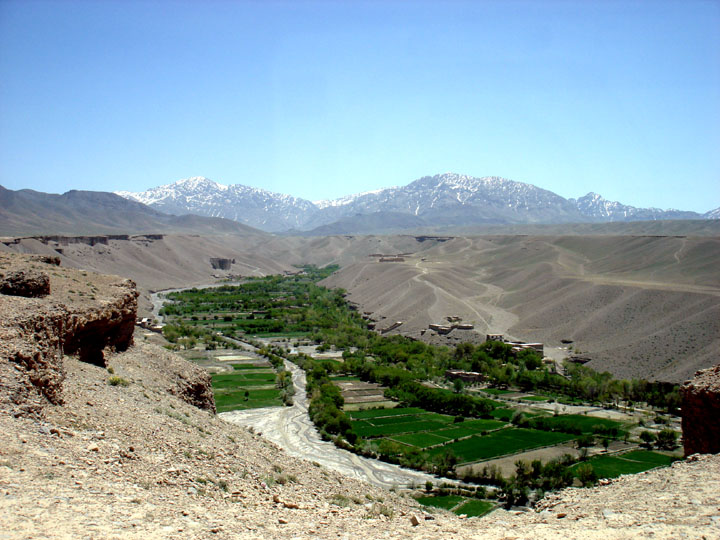
The terrain of Logar combines river valleys and lower mountain ranges that support irrigated agriculture and scattered villages. The province includes several administrative districts; notable centers besides the capital are Baraki Barak and Charkh. Roads connect Logar to Kabul and neighbouring provinces, making it strategically important for transport and trade.
History and archaeology
Logar sits on long historical routes and has archaeological sites that reflect the region’s role in pre-Islamic and medieval periods. The best-known site is Mes Aynak, a large ancient settlement and Buddhist complex that sits above one of Afghanistan’s biggest copper deposits; this place has drawn international attention for both its cultural heritage and mineral resources.
Economy and society
Agriculture is central to local livelihoods: wheat, orchards, and horticulture are commonly cultivated in valley fields. Small-scale trade, seasonal labour, and services in Pul-i-Alam support the provincial economy. Mining prospects connected to copper reserves have attracted investment interest, though development has been complicated by archaeological preservation concerns and security issues.
Demographics and culture
The population is predominantly Pashtun, with other groups present in smaller numbers; Pashto and Dari are widely spoken. Tribal and village structures shape community life, and traditional crafts, local markets and religious sites are part of the cultural landscape. Pashtun social customs and languages influence the province’s institutions and everyday practices.
Contemporary significance
Logar’s proximity to Kabul gives it strategic importance for infrastructure, security and economic linkages. Its mix of fertile valleys, historical sites and mineral resources make it a focal point for planning and conservation efforts as Afghanistan navigates reconstruction, heritage protection and regional development challenges.
Related articles
Author
AlegsaOnline.com Logar Province — eastern Afghan region centered on Pul-i-Alam Leandro Alegsa
URL: https://en.alegsaonline.com/art/58852
Sources
- nps.edu : "Province: Logar" Program for Cultrual and Conflict Studies, Naval Postgraduate School
- mrrd.gov.af : mrrd.gov.af
- fao.org : "FAO in Afghanistan - Food and Agriculture Organization of the United Nations"