
Loing — a central French tributary of the Seine
The Loing is a river in central France, a left-bank tributary of the Seine. It crosses three administrative regions and has shaped local transport, industry, ecology and recreation for centuries.
Overview
The Loing is a river in central France known as a left-bank tributary of the Seine. Its general location and recorded coordinates are documented in geographic sources (coordinates). The river plays a modest but persistent role in local landscapes, linking upland catchments with the Seine valley and crossing several administrative regions during its course.
Image gallery
10 Images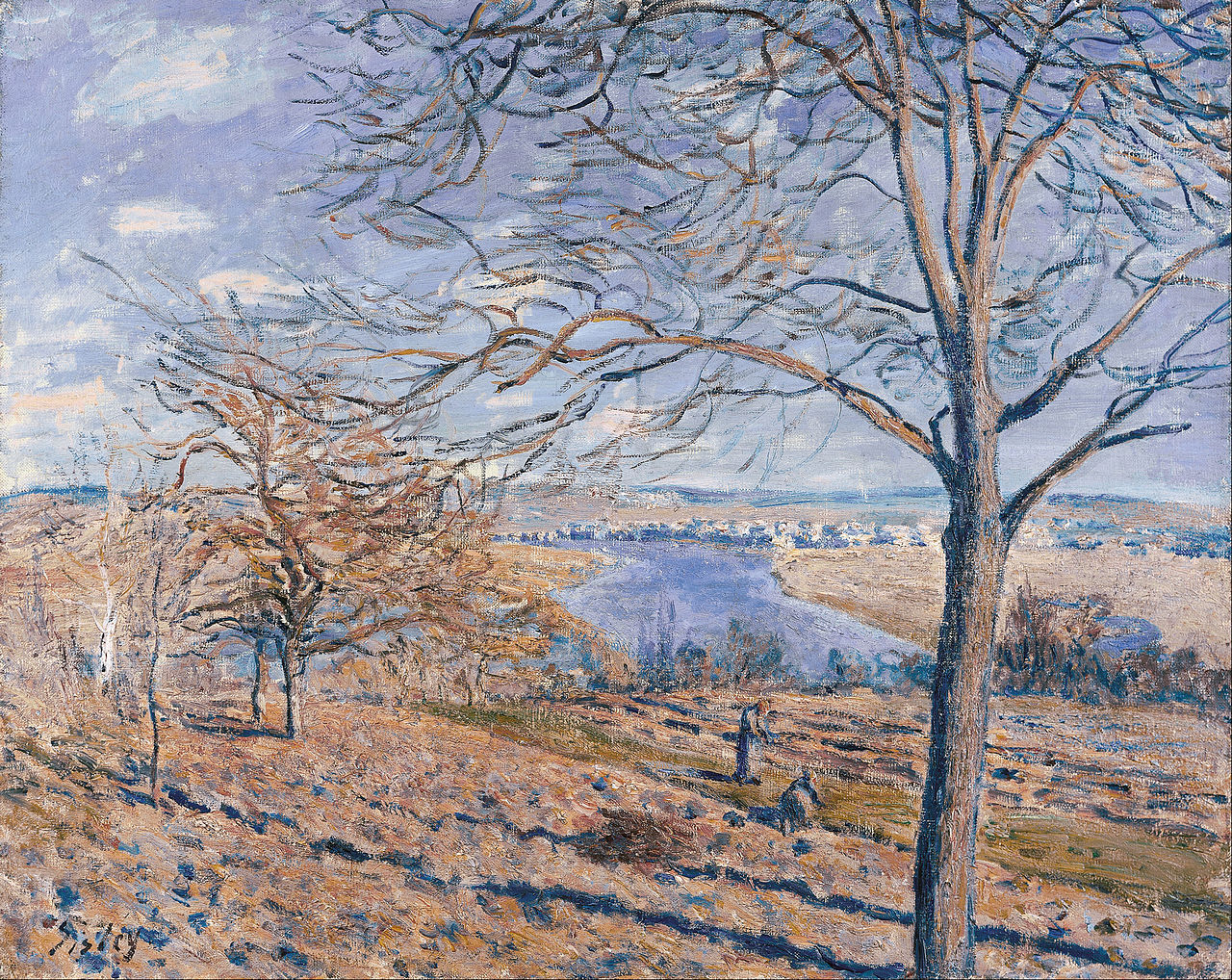


Course and regions crossed
The Loing rises in upland areas and flows generally toward the north-west before joining the Seine. Along its route it traverses three French administrative regions: see the regional overview at regional map, and the regional pages for Bourgogne-Franche-Comté, Centre-Val de Loire and Île-de-France. The river passes through a mix of rural countryside, small towns and former industrial sites; in some places the river’s course has been modified for navigation, flood control or millworks.
Characteristics and waterways
The Loing exhibits the characteristics of many medium-sized temperate rivers: a variable flow regime with seasonal highs, meandering sections, and narrower, steeper headwaters giving way to broader lowland reaches. Channel works and a network of small canals and sluices accompany parts of the river where human activity historically demanded reliable navigation or waterpower. Sediment, aquatic vegetation and tributary inputs shape the river’s morphology along its length.
Human uses and history
For centuries the Loing has supported local economies. Watermills and small industries developed on its banks, and parts of the river corridor were used for transporting goods before modern roads and railways. Towns along the Loing grew around bridges and fords; some, such as well-known market towns in the Loing valley, are celebrated for historic centres and canal-side streets. Today the river is valued for recreational boating, angling and riverside tourism as well as remaining an element of regional water management.
Ecology and conservation
The Loing and its floodplain host a range of habitats: riparian woodlands, marshy wetlands and shallow aquatic zones that support fish, amphibians and birdlife typical of central French lowland rivers. Conservation work focuses on maintaining water quality, restoring connectivity for migratory species, and balancing flood mitigation with habitat preservation. Local authorities and environmental organizations monitor the river’s ecological status and promote river-friendly land practices.
Notable facts
- The Loing is classified as a left-bank tributary of the Seine, joining it downstream of Paris in the Seine basin.
- The river crosses the regions listed on regional pages such as Bourgogne-Franche-Comté, Centre-Val de Loire and Île-de-France, reflecting a transition from upland to lowland environments.
- Geographic references including the river’s documented coordinates and mapping resources are useful starting points for further exploration.
- For broader context about rivers in France and their management see regional overviews at central France resources and technical summaries on tributary classification such as left-bank tributary guidance.
Readers seeking more detailed maps, hydrological data or local history may consult regional archives and municipal sources for towns along the Loing, or follow general network pages and guides linked above (Seine, administrative regions).
Questions and answers
Q: Where is the Loing river located?
A: The Loing river is located in central France.
Q: Is the Loing a left or a right tributary of the Seine river?
A: The Loing is a left tributary of the Seine river.
Q: How many regions of France does the Loing river go through?
A: The Loing river flows through three regions of France: Bourgogne-Franche-Comté, Centre-Val de Loire and Île-de-France.
Q: What are the coordinates of the Loing river?
A: The coordinates of the Loing river are 48°23′13″N 2°48′9″E / 48.38694°N 2.80250°E / 48.38694; 2.80250.
Q: Is the Loing river a major waterway in France?
A: The text doesn't provide information about whether the Loing river is a major waterway in France.
Q: Does the Loing river flow into the Atlantic ocean?
A: The text doesn't provide information about whether the Loing river flows into the Atlantic ocean.
Q: Does the Loing river flow through Paris?
A: The text doesn't provide information about whether the Loing river flows through Paris.
Related articles
Author
AlegsaOnline.com Loing — a central French tributary of the Seine Leandro Alegsa
URL: https://en.alegsaonline.com/art/58901
Sources
- commons.wikimedia.org : Loing
- services.sandre.eaufrance.fr : "le Loing (F4--0200)"
- hydro.eaufrance.fr : "Le Loing à Épisy"
- geoportail.gouv.fr : "Source du Loing"
- geoportail.gouv.fr : "Confluence du Loing"