
Aroue-Ithorots-Olhaïby: a rural commune in the French Basque Country
Aroue-Ithorots-Olhaïby is a small rural commune in Pyrénées-Atlantiques, southwestern France, formed from three villages and notable for Basque culture, pastoral landscapes, historic churches and traditional architecture.
Overview
Aroue-Ithorots-Olhaïby is a small commune located in the Pyrénées-Atlantiques department of southwestern France. The name reflects three closely linked villages that form a single administrative community. Situated within the broader territory often referred to as the French Basque Country, the commune combines agricultural landscapes, low hills and a dispersed rural settlement pattern.
Image gallery
8 Images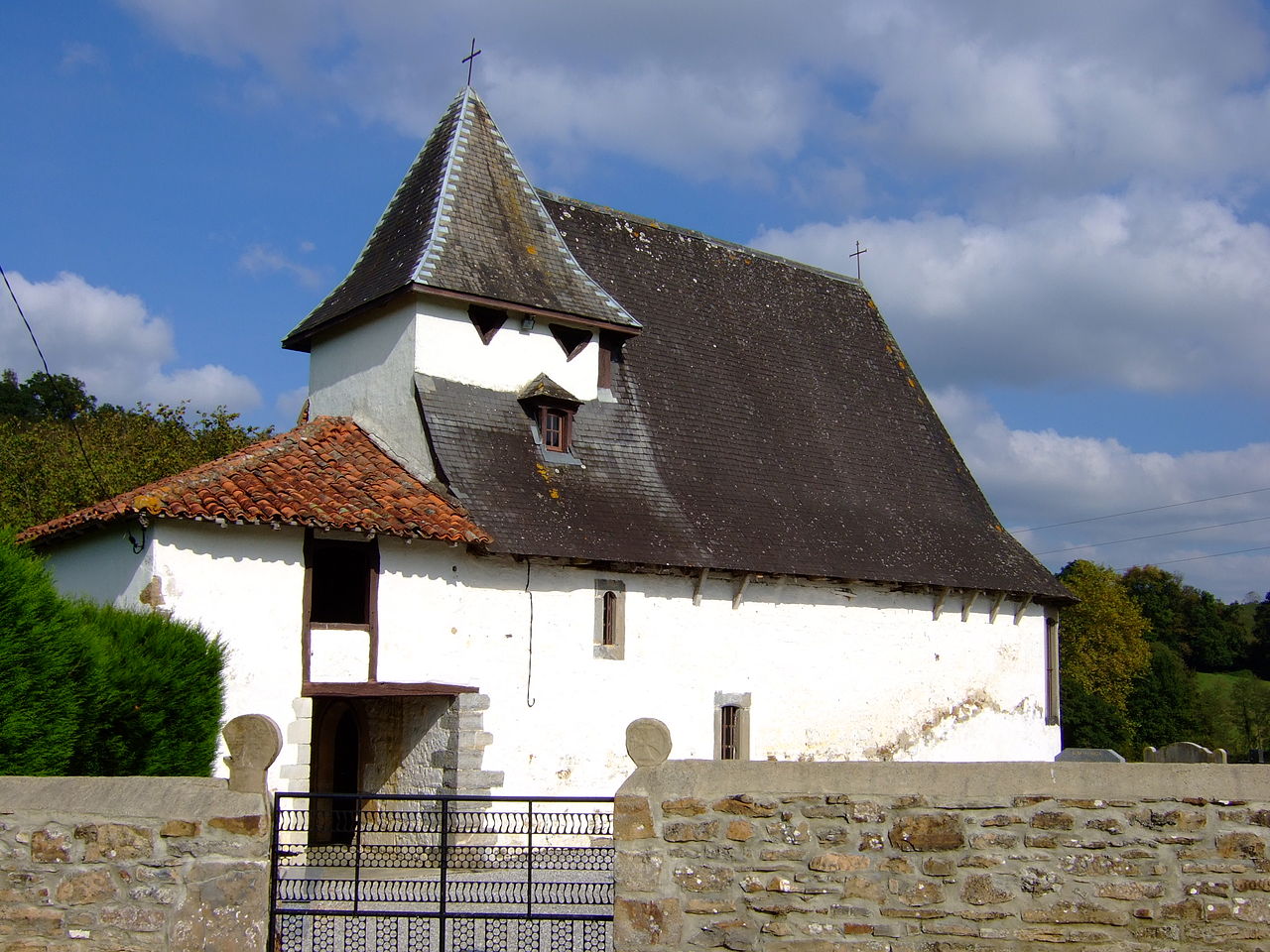




Geography and population
The area is characterised by pastoral fields, hedged lanes and traditional farmsteads. It lies inland from the Atlantic coast and toward the northern foothills of the Pyrenees, making it typical of the region’s mix of low mountains and rolling countryside. The settlement is small by French standards: inhabitants live in the three historic villages and surrounding hamlets, where population density is low and land use is dominated by grazing and small-scale agriculture.
History and culture
The communal name preserves the identities of the three original villages. Local history is rooted in rural life and Basque cultural traditions: the Basque language, vernacular architecture, and seasonal festivals remain visible features of communal life. Churches, village crosses and communal ovens attest to long-standing local customs and a pattern of parish-centered social organization.
Economy and daily life
The economy is largely rural: livestock farming (especially sheep and cattle), small-scale crop production and artisanal activities are typical. Many properties retain traditional stone-and-timber construction, and some inhabitants combine farming with tourism-related services, guest accommodation and recreational activities such as walking and birdwatching.
Notable sites and activities
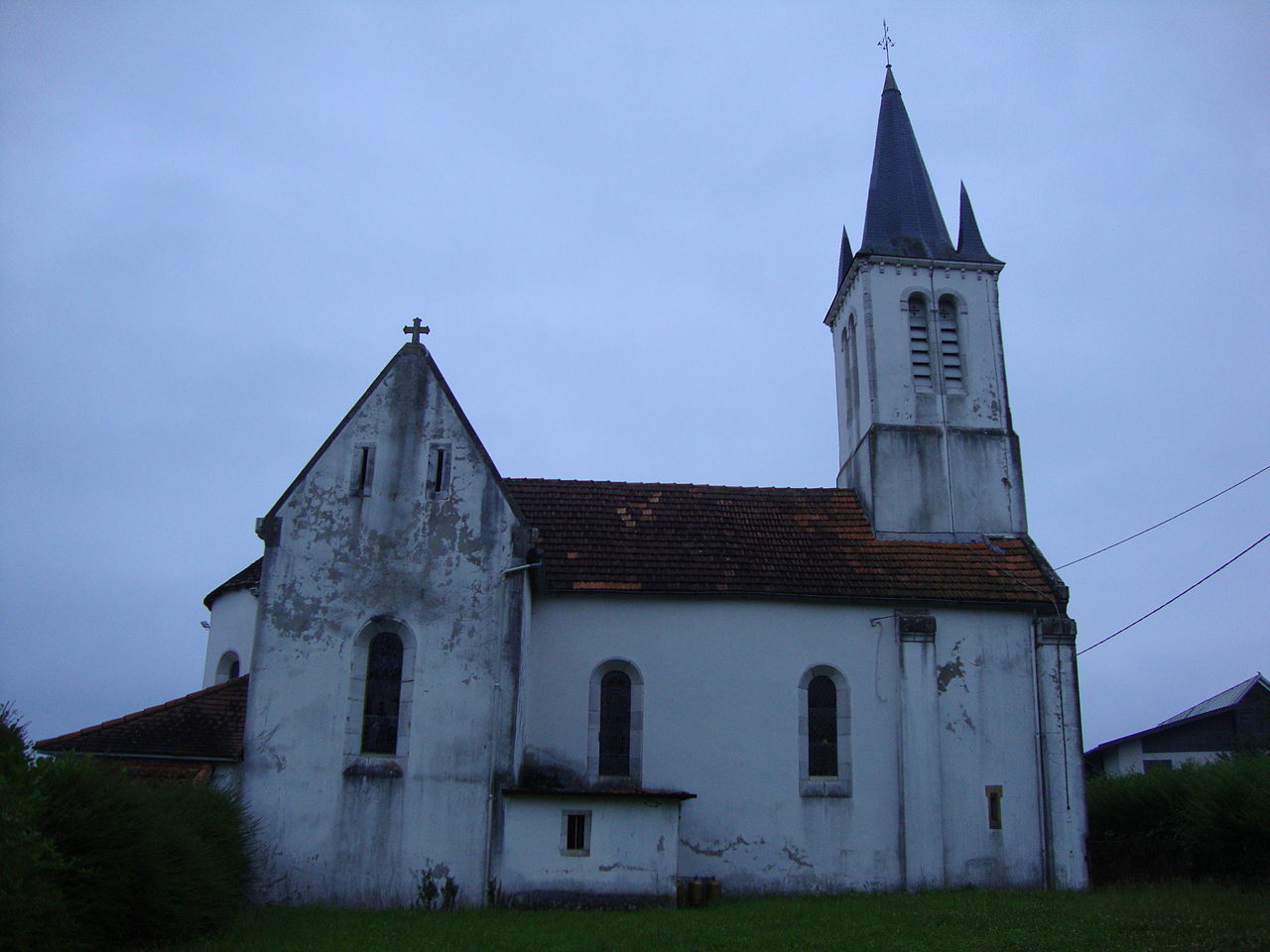
- Historic parish churches and traditional Basque farmhouses that illustrate regional building styles.
- Local fêtes and communal events that preserve Basque music, dance and gastronomy.
- Rural trails suited to hiking and exploring the surrounding countryside.
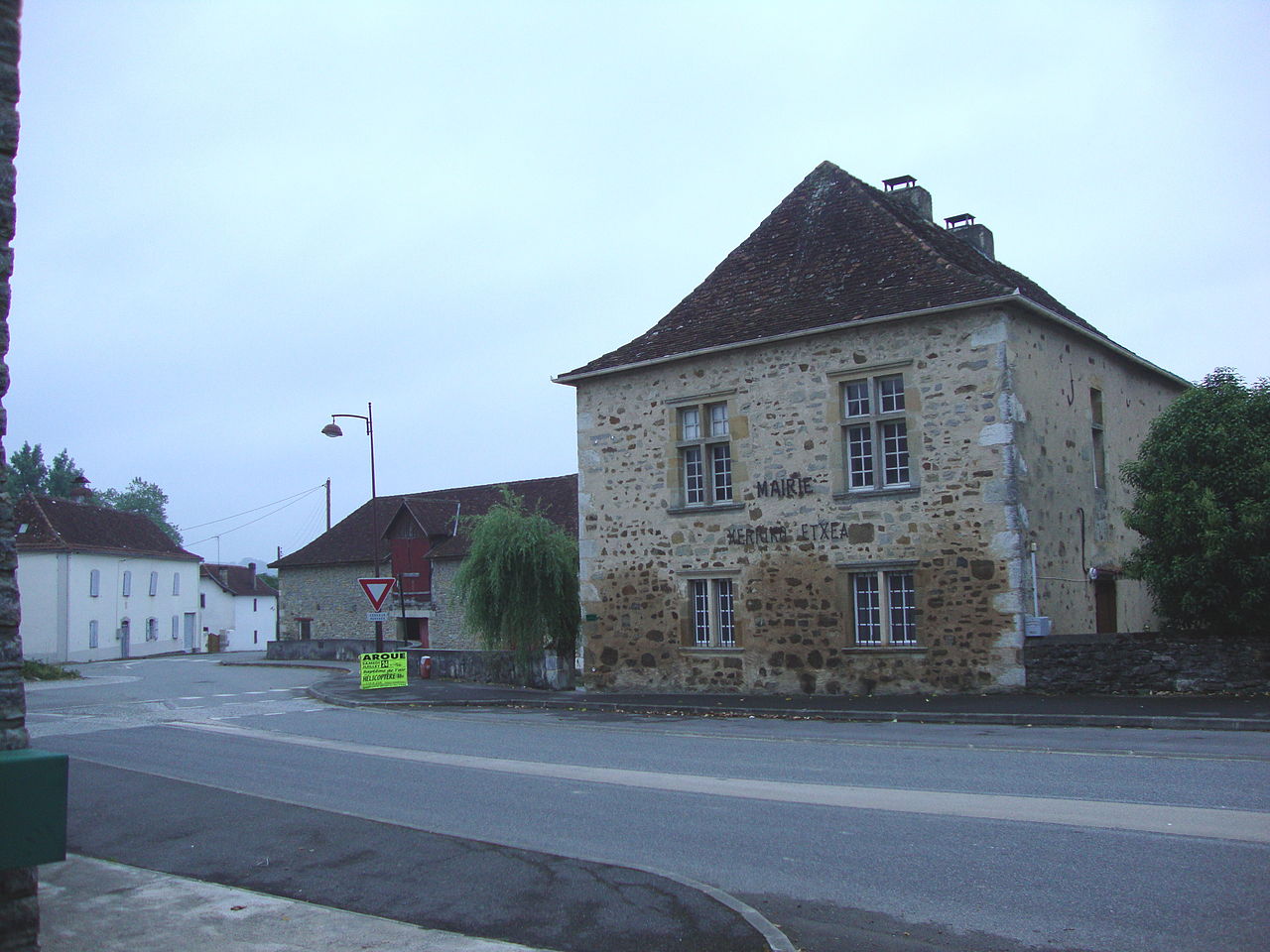
Administratively the commune belongs to the network of small municipalities in the département and is part of broader regional planning in southwestern France. For visitors and researchers, the commune offers a compact example of Basque rural life and the ways small communities adapt to modern economic and demographic challenges.
Tags
Related articles
Author
AlegsaOnline.com Aroue-Ithorots-Olhaïby: a rural commune in the French Basque Country Leandro Alegsa
URL: https://en.alegsaonline.com/art/5822