
Lincoln County, Arkansas
Lincoln County, Arkansas, established in 1871 and named for Abraham Lincoln, is a small rural county with Star City as its seat. It had 14,134 residents at the 2010 census and is shaped by agriculture and timber.
Lincoln County is a county of the U.S. state of Arkansas. As recorded by the 2010 census, the county had a population of 14,134. The county government is centered in the county seat, the city of Star City. Lincoln County was formally created on March 28, 1871, and takes its name from Abraham Lincoln, the 16th President of the United States.
Image gallery
7 Images


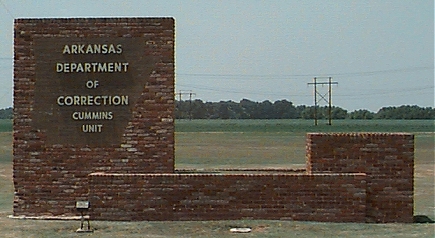
Overview and landscape
Lincoln County is a predominantly rural jurisdiction with land used for farming, timber production and small towns clustered around civic centers. The landscape combines agricultural fields, managed forest tracts and low-density residential areas. Local roads and state highways connect the county seat to neighboring counties and regional markets.
Economy and local life
The county economy is typical of many rural Arkansas counties: agriculture and forestry are important, supplemented by small-scale manufacturing, retail trade and service businesses located in Star City and other communities. Residents often rely on nearby regional centers for specialized medical care, higher education and large-scale commercial services. Community life centers on schools, churches and civic organizations.
History and development
Organized in 1871 during the post–Civil War era, Lincoln County was formed as part of the state’s ongoing administrative changes in the 19th century. Its name reflects a common practice of honoring national figures. Over time the county’s towns and infrastructure grew slowly, shaped by agricultural cycles, transportation routes and regional economic shifts.
Government, services and communities
The county government administers public services such as law enforcement, road maintenance and records from the courthouse in the county seat. Public education is provided by local school districts that serve children from Star City and the surrounding rural areas. Smaller incorporated towns and a number of unincorporated settlements make up the county’s residential pattern.
Notable facts and context
- Lincoln County is one of several U.S. counties that bear the name of Abraham Lincoln.
- Its population and economy reflect broader trends in rural Arkansas: modest population size, reliance on primary industries, and strong local community ties.
- Visitors and researchers often consult county records, local historical societies and state resources for detailed demographic and historical information.
For official or more detailed data about administrative boundaries, services and current statistics, consult county offices and state publications or local archives and civic organizations.
Related articles
Author
AlegsaOnline.com Lincoln County, Arkansas Leandro Alegsa
URL: https://en.alegsaonline.com/art/58137
Sources
- quickfacts.census.gov : "State & County QuickFacts"
- naco.org : "Find a County"
- books.google.com : The Origin of Certain Place Names in the United States