
Lincoln County, Minnesota
Rural county in southwestern Minnesota with county seat Ivanhoe. Known for prairie agriculture and small towns; population 5,896 at the 2010 census.
Overview
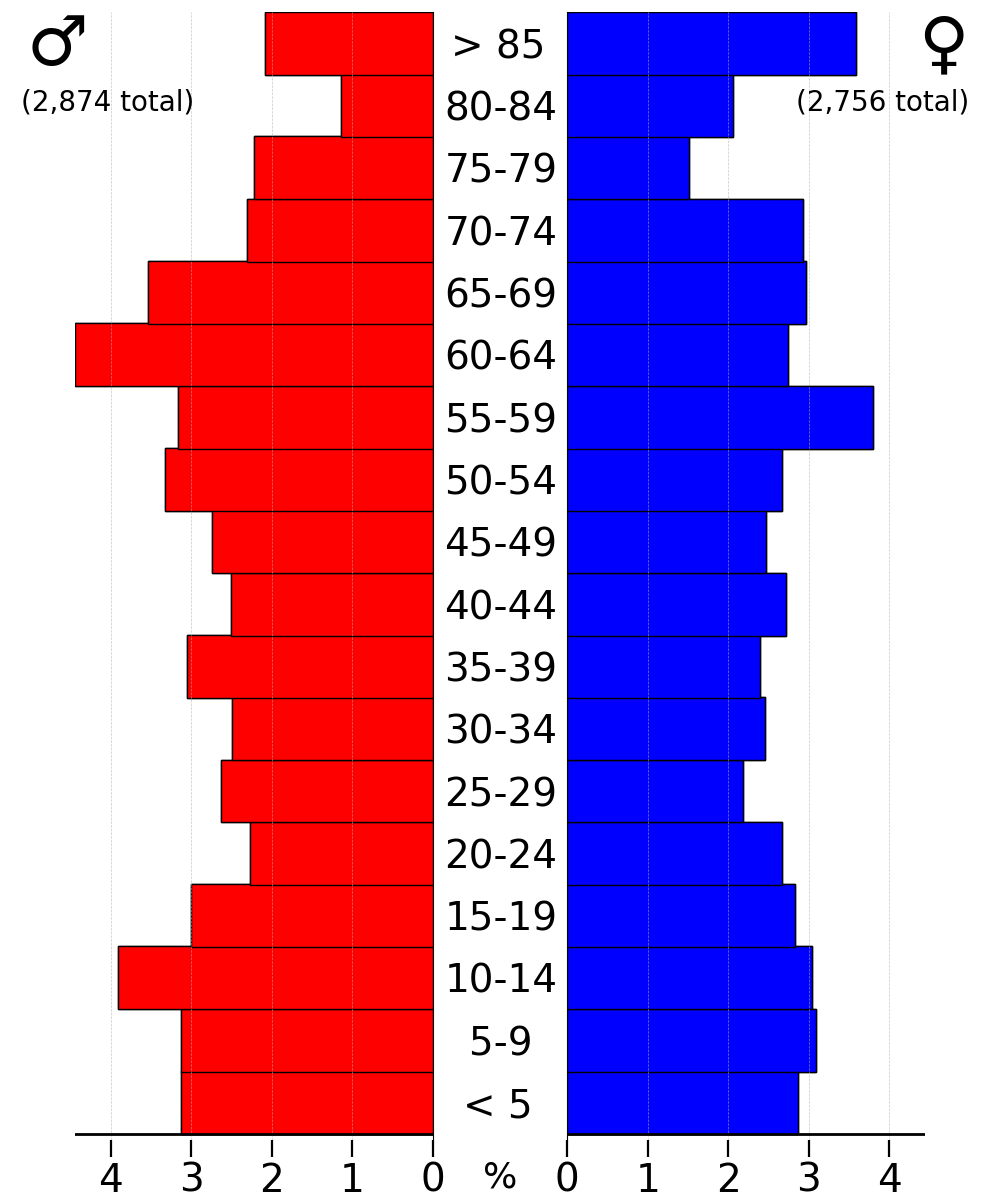
Lincoln County is a sparsely populated county in the U.S. state of Minnesota. Its county seat is Ivanhoe. The county had 5,896 residents recorded in the 2010 census, reflecting a low population density typical of many rural Midwestern counties. The landscape is dominated by agricultural land and open prairie.
Image gallery
2 Images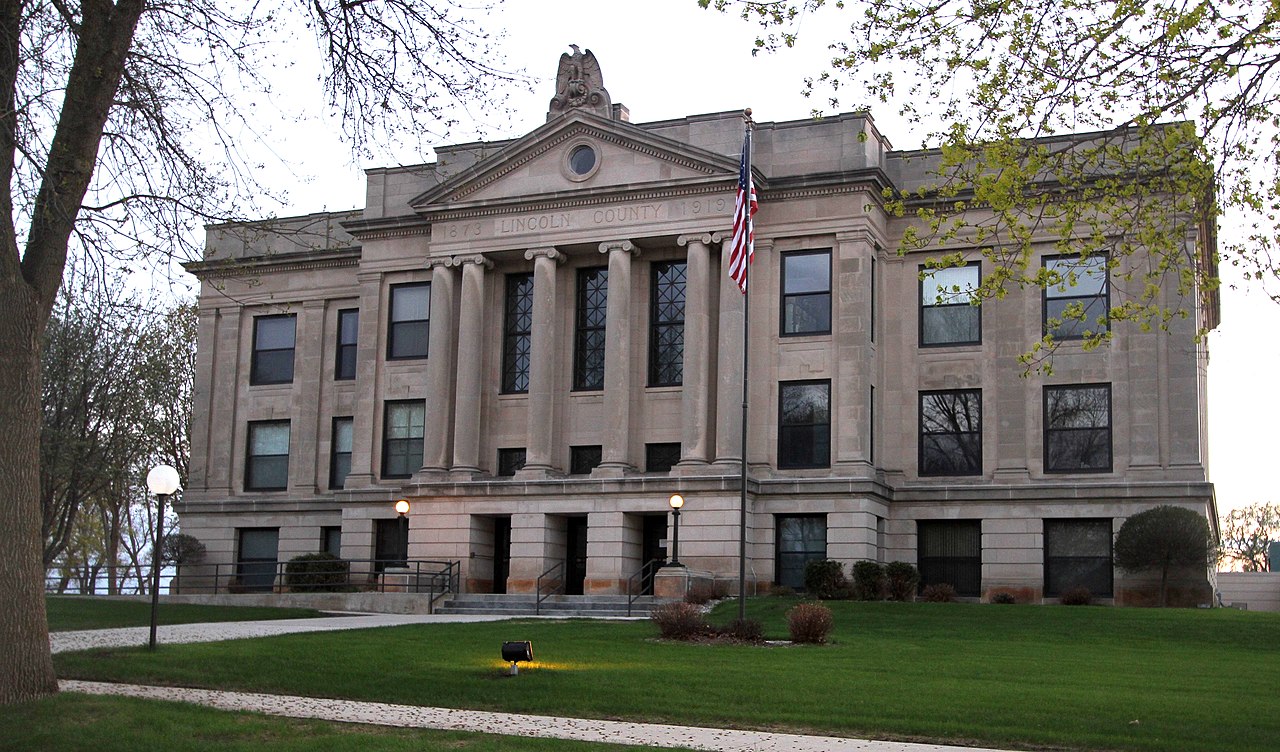
Geography and environment
Lincoln County lies near Minnesota's western border and features rolling farmland, small wooded draws, and scattered wetlands. Soils and climate favor row crops and pasture; the county's waterways are modest creeks and drainage systems rather than large rivers. Its open terrain supports a mix of crop agriculture and livestock operations.
History and name
The county was created during the settlement and county-organization period of the late 19th century and was named in honor of President Abraham Lincoln. Towns and service centers grew around rail lines and county roads as agriculture became established, shaping the pattern of small towns and farmsteads still visible today.
Economy and communities
Agriculture is the primary economic driver: corn, soybeans and livestock predominate along with supporting services such as grain storage, equipment sales and local retail. Small towns including the county seat provide schools, government services and community institutions that serve a widely dispersed rural population.
Government and services
The county government administers law enforcement, road maintenance, public records and social services from Ivanhoe. Local government and volunteer organizations play a central role in maintaining infrastructure and community life across a broad rural area.
Recreation and notable facts
Outdoor recreation is largely nature-based: hunting, fishing in small lakes and streams, and seasonal events tied to farming community life. Lincoln County exemplifies the agricultural counties of the Upper Midwest, with a strong connection to land and local institutions.
Related articles
Author
AlegsaOnline.com Lincoln County, Minnesota Leandro Alegsa
URL: https://en.alegsaonline.com/art/58144