
Lifeboat (shipboard): purpose, types, history, and equipment
A lifeboat is a shipboard survival craft—rigid or inflatable—kept to abandon a vessel in emergencies. This article explains types, equipment, launching methods, history, regulation, training and limitations.
A lifeboat is a survival craft carried on ships, large boats and offshore installations to provide a means of escape and short‑term survival if the principal vessel becomes unsafe. In common usage the word covers several kinds of craft: rigid, partially enclosed, fully enclosed and inflatable liferafts. Some writers distinguish between a rigid, self‑righting lifeboat and an inflatable liferaft, but both are intended to protect occupants from drowning, hypothermia and exposure until rescue.
Image gallery
10 Images





Types and main characteristics
Lifeboats differ by construction, capacity, protection and launch method. Typical categories include:
- Open rigid lifeboats — traditional designs with an exposed cockpit; simple and robust but offer limited shelter in bad weather.
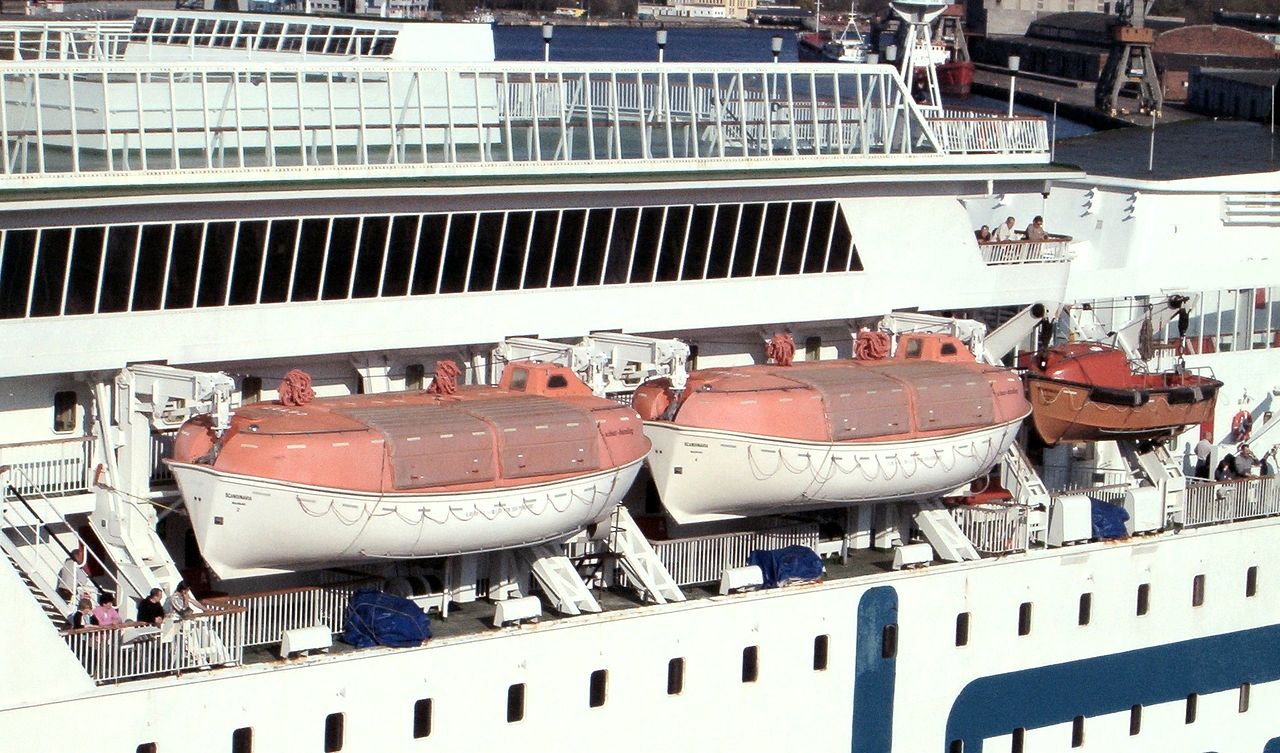
- Partially or fully enclosed lifeboats — provide shelter, thermal protection and better sea‑keeping; many are designed to be self‑righting after capsizing.
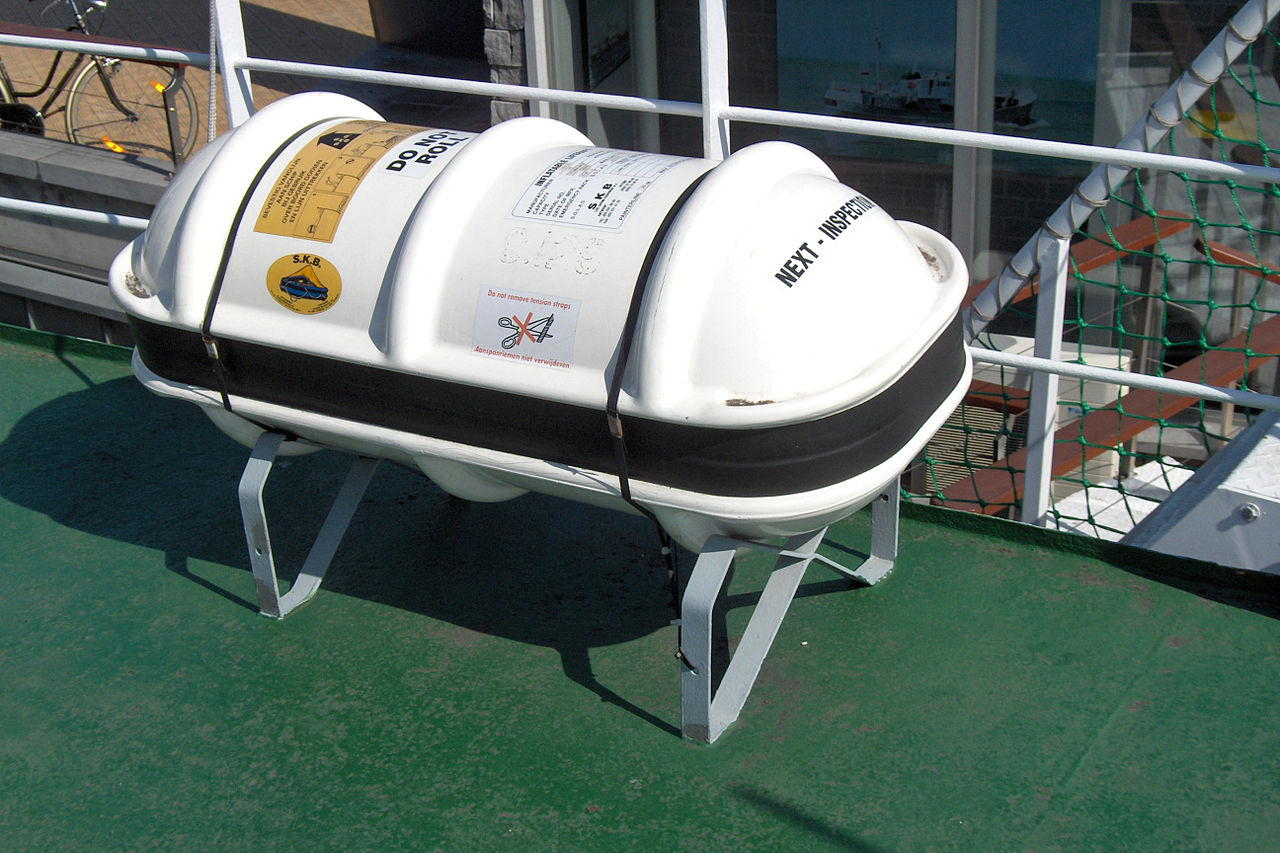
- Inflatable liferafts — compact when stowed and inflated for use; widely used to save deck space and for rapid provision of capacity.
- Free‑fall and fast rescue boats — launched by sliding down a ramp or via special davit for rapid deployment, often used where speed of evacuation or rescue is essential.
- Rescue boats — carried for recovering persons in the water; they are manoeuvrable and usually powered, distinct from passive survival craft.
Equipment and survival stores
Lifeboats and liferafts are supplied with basic survival items to sustain occupants until rescue. Standard provisions commonly include fresh water, emergency rations, signaling devices (flares, whistle, mirror), thermal protective aids, a first‑aid pack, bailing gear or pumps, sea anchors and compulsory instructions for survival. Enclosed boats often carry communications equipment such as a VHF radio or emergency locator beacon and have means of drainage and bilge pumping.
Launching systems and onboard arrangements
Design of the launch system has a major influence on lifeboat choice. Davits lower boats to the water using falls and winches and are common on passenger and cargo ships. Inflatable liferafts may be fitted with hydrostatic release units allowing them to float free and inflate if a ship sinks. Free‑fall ramps enable rapid release by sliding into the sea at speed. Clear muster stations, well‑marked embarkation routes and regularly maintained release gear are essential to avoid delays and accidents.
Historical development and regulation
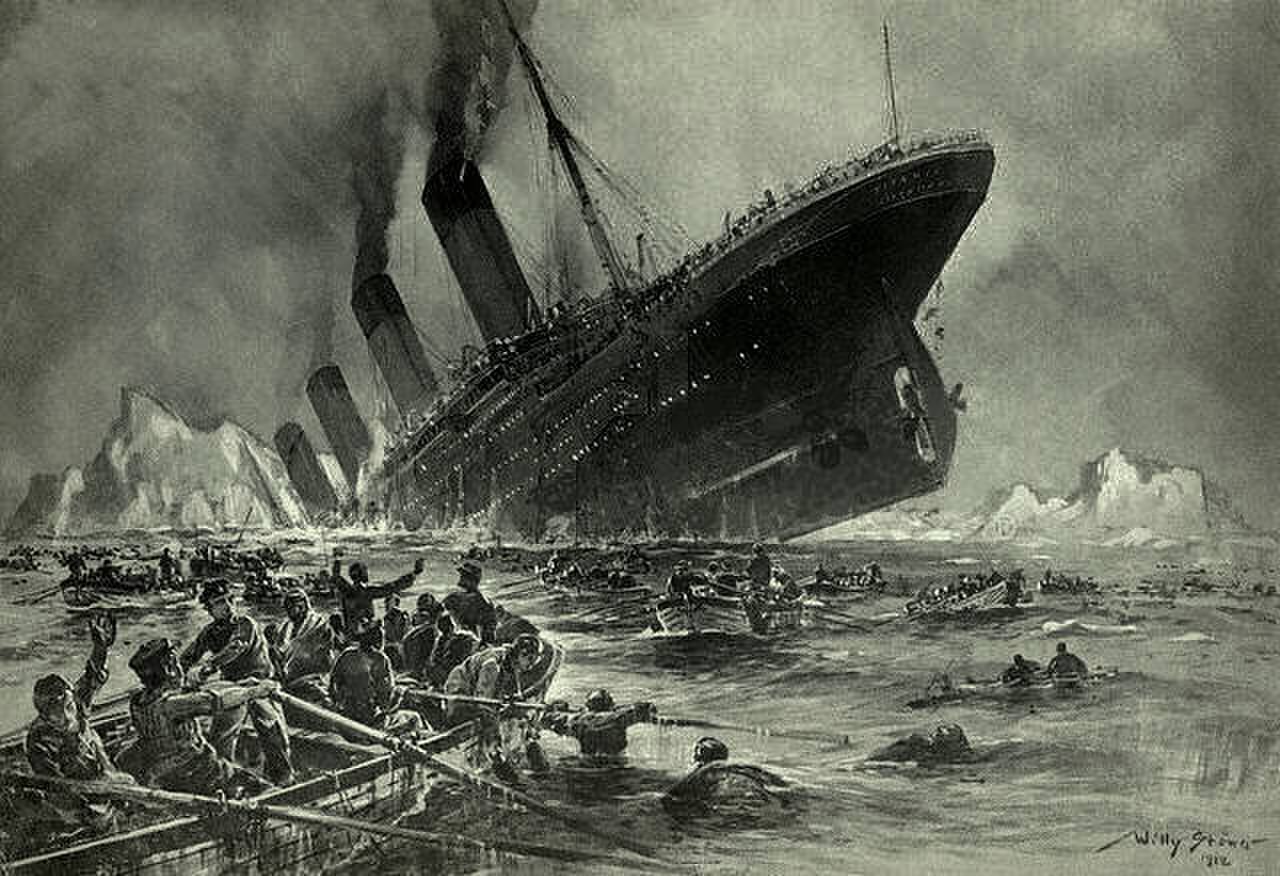
Lifeboats have been carried in various forms for centuries, but the rapid growth of steamship travel in the 19th century and the size of 20th‑century passenger liners highlighted shortcomings in survival arrangements. The sinking of large passenger ships exposed by the loss of life in early 20th‑century disasters prompted international action. The International Convention for the Safety of Life at Sea (SOLAS), first adopted in 1914 and later revised, established minimum requirements for survival craft and appliances. Modern regulations require that ships carry sufficient survival craft for all persons on board and meet standards for construction, stowage, maintenance and drills enforced by flag states and classification societies.
Training, maintenance and limitations
Crew training, mandatory muster drills and regular inspections keep lifeboats serviceable. Lifeboats and liferafts must be serviced, pressure‑tested and checked on prescribed schedules; launch gear and release mechanisms require frequent maintenance. Even well‑equipped lifeboats have limits: severe weather, fast‑sinking scenarios and human error can complicate evacuation. Self‑righting designs, thermal protection and reliable communications mitigate many risks but cannot eliminate all dangers associated with abandoning ship.
For concise definitions and technical guidance consult authoritative safety texts and regulations, and follow operational guidance from maritime authorities and classification societies. See related topics: liferaft, emergencies and ship.
Related articles
Author
AlegsaOnline.com Lifeboat (shipboard): purpose, types, history, and equipment Leandro Alegsa
URL: https://en.alegsaonline.com/art/57902