
Lincoln Continental
The Lincoln Continental is a long‑running American luxury automobile nameplate introduced in 1939. Built by Lincoln (Ford Motor Company), it is noted for elegant styling, full‑size comfort and several iconic design eras.
Overview
The Lincoln Continental is a luxury automobile nameplate used by Lincoln, the luxury division of Ford Motor Company. Introduced in the late 1930s as a distinctive personal luxury car, the Continental evolved through multiple generations and body styles over much of the 20th and early 21st centuries. It became synonymous with restrained American luxury, generous interior space and a focus on passenger comfort rather than sport‑oriented handling.
Image gallery
10 Images




Origin and early years
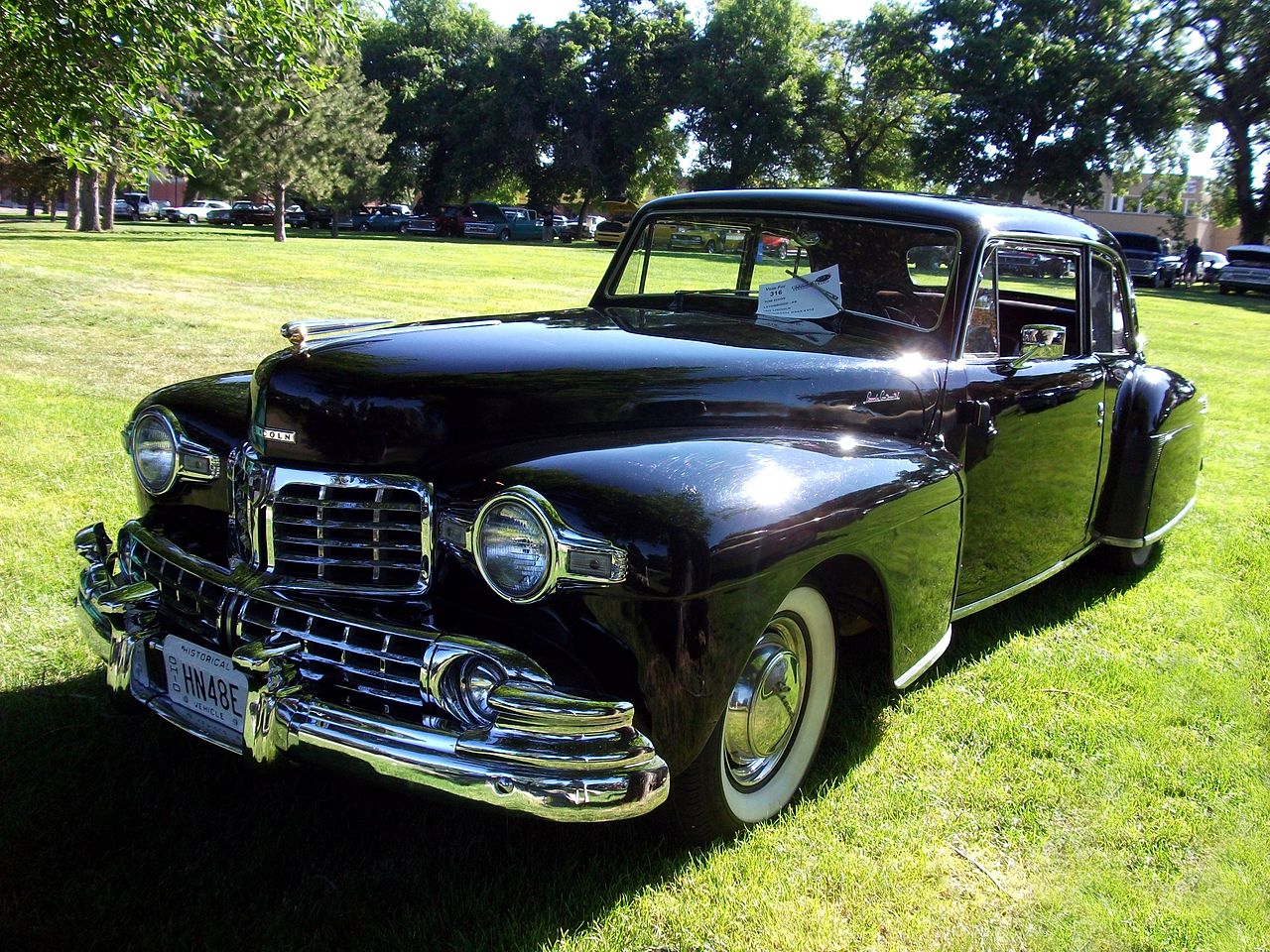
The Continental began as a bespoke Lincoln design developed in the years before World War II, intended to offer coachbuilt elegance on a production chassis. Early Continentals were notable for tidy, European‑inspired proportions and several distinctive styling touches that distinguished them from other full‑size American cars of the period. Production was interrupted by the war and resumed for later postwar cohorts as Lincoln and the wider industry adapted to changing market tastes.
Design characteristics
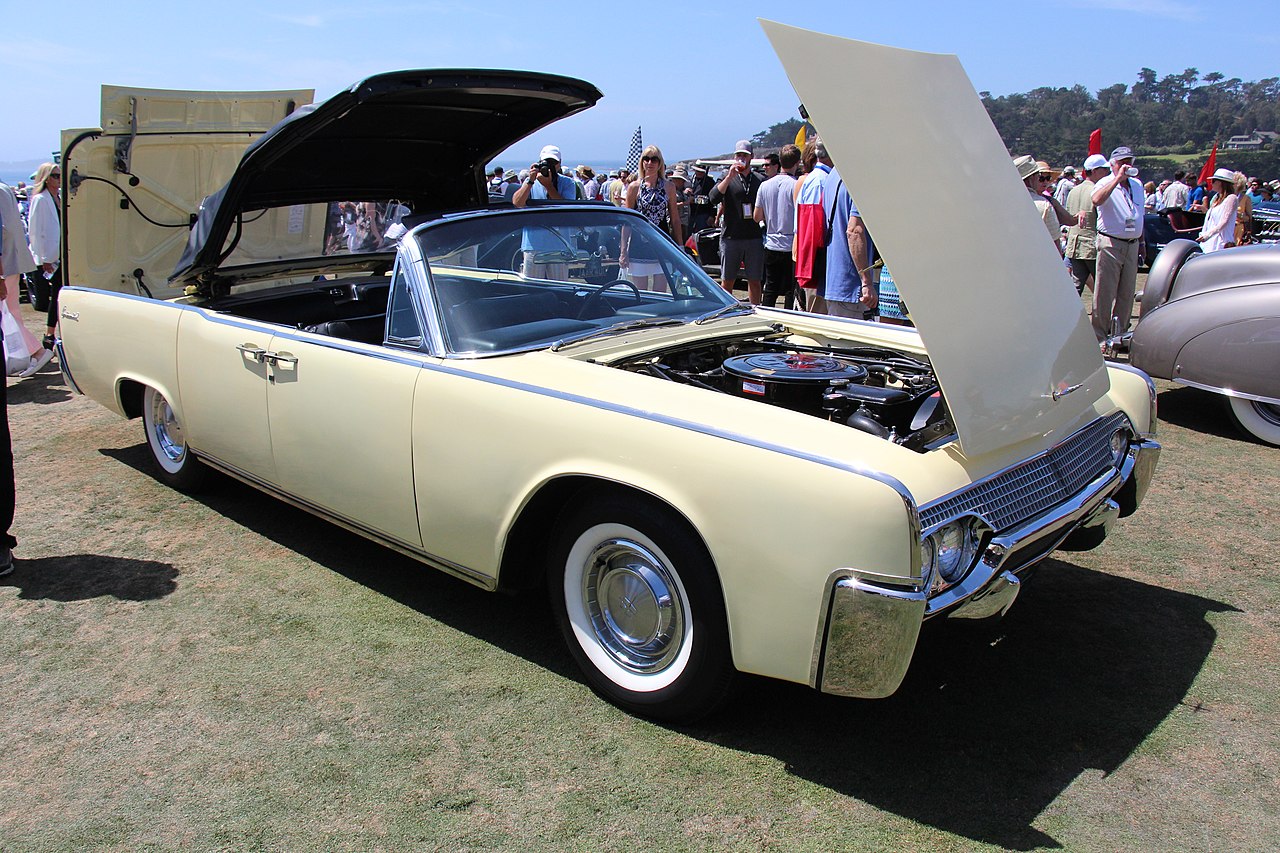
Across its life the Continental was offered as convertibles, coupes and four‑door sedans. Typical features included long‑hood proportions, broad passenger‑compartments and an emphasis on ride quality. Several eras contributed signature cues: exposed spare‑tire treatments on prewar models, the restrained slab‑sided approach of the early 1960s, and luxury‑focused appointments such as vinyl or padded roofs, wood‑trimmed interiors and extensive chrome in mid‑century examples. Many Continentals carried V8 engines and were tuned for smooth, effortless performance.
Notable generations and features
The nameplate is often remembered for the early 1960s four‑door hardtop design with rear‑hinged rear doors on some models, a layout that became emblematic of Lincoln’s understated modernism of that era. Later decades saw larger, more comfort‑oriented Continentals in the 1970s and a series of redesigns and downsizings as fuel economy and changing consumer preferences influenced American luxury cars. The Continental name was periodically separated from the distinct Continental Mark series, which was marketed as a personal luxury marque.
Uses and cultural significance
Continental models served private owners seeking chauffeur‑grade comfort as well as institutional users, including government and ceremonial transport. Certain Continentals have become cultural touchstones in film, public life and collector communities. Well‑preserved examples are sought by classic‑car enthusiasts and appear regularly at shows and in historical exhibitions.
Later years and legacy
The Continental continued in various forms into the early 2000s and the name has been revived at different times as Lincoln reshaped its lineup. Changes in consumer demand toward smaller, more efficient luxury cars and SUVs, plus internal product shifts, resulted in periods of retirement for the long‑running nameplate. Today the Lincoln Continental is remembered as one of the defining American luxury automobiles, influential in design, comfort standards and the evolution of Lincoln as a luxury brand.
Related articles
Author
AlegsaOnline.com Lincoln Continental Leandro Alegsa
URL: https://en.alegsaonline.com/art/58136