
Light rail (urban rail transit)
Light rail, or light rail transit (LRT), is an urban rail mode that fills the gap between street trams and heavier metro systems, offering flexible vehicle, right-of-way and service options.
Overview
Light rail, often abbreviated LRT, is a category of urban rail transport that operates between the scale of traditional street trams and heavier rapid transit systems. It typically uses electric multiple-unit rail vehicles and can run in dedicated rights-of-way, on streets mixed with other traffic, or in combinations of both. Systems commonly described as light rail vary widely in capacity, speed, and grade separation, which means they are designed to suit different city sizes and corridor needs. In contrast to some urban rail, light rail is usually less costly to build than a full metro but offers higher capacity and speed than ordinary street-running trams; see comparisons to heavy rail and metro and to street tram systems.
Image gallery
10 Images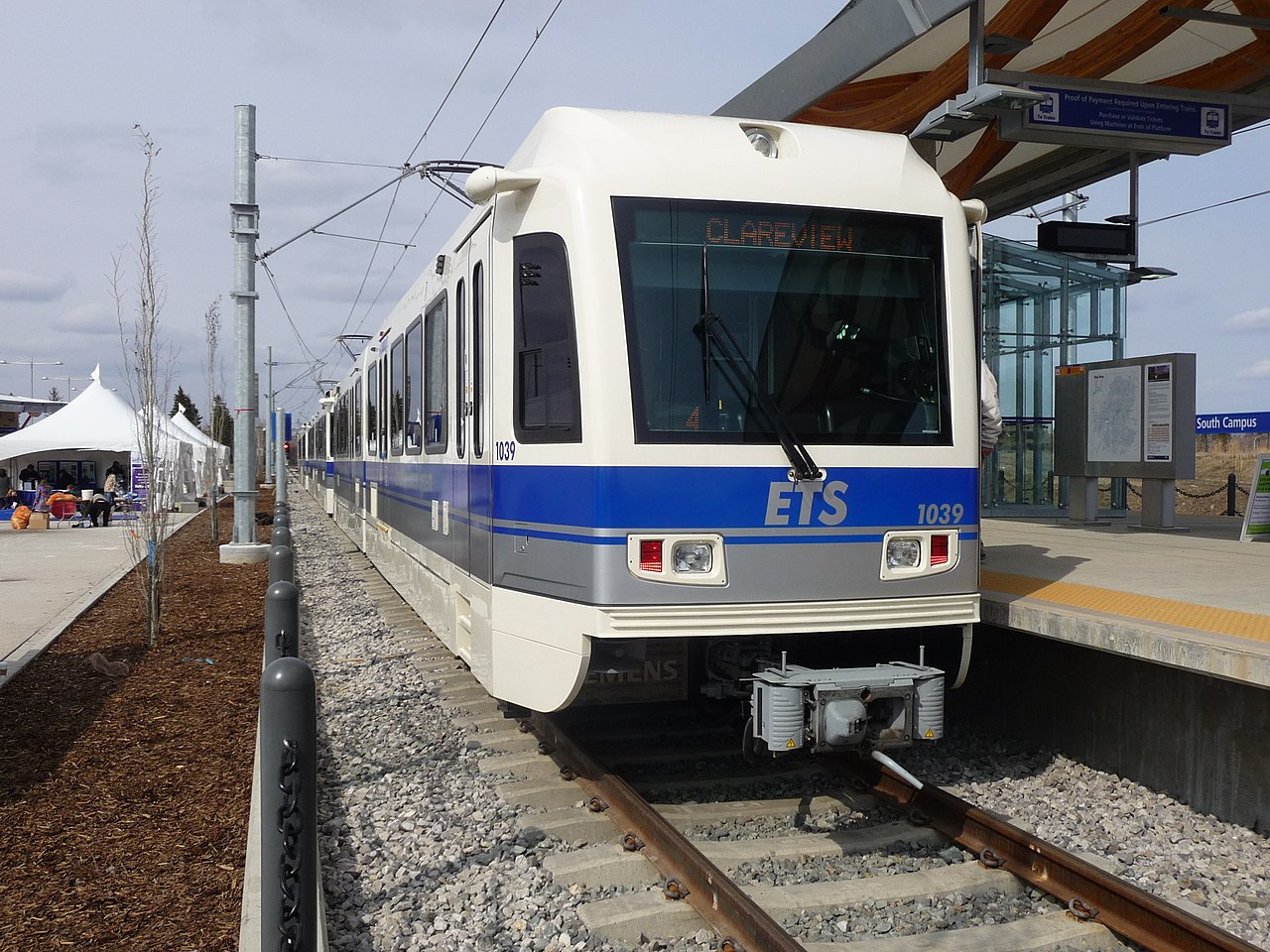


Characteristics and components
Typical elements that define light rail systems include vehicles, track and alignment, stations, and traffic control. Vehicles are often lighter and shorter than metro cars but may operate singly or in short trains. Alignments range from segregated corridors and elevated sections to on-street tracks and mixed-traffic segments. Stations may be simple platforms at curb height or more substantial structures with level boarding and ticketing facilities. Signal systems and priority at intersections help achieve faster, more reliable service when mixed with road traffic.
History and development
The modern concept of light rail emerged in the late 20th century as cities sought cost-effective ways to restore rail-based urban mobility after mid-century declines in tram networks. While the roots of urban streetcars and interurban railroads date to the 19th and early 20th centuries, the postwar revival emphasized dedicated rights-of-way, improved vehicles, and integration with urban planning. From the 1970s onward many municipalities introduced new or upgraded lines that combined tram-like flexibility with higher operational standards, giving rise to the broad category now called light rail.
Uses, advantages, and examples
Light rail is used for medium-capacity corridors where buses are insufficient but full metro investment is unjustified. Advantages include relatively lower capital cost per route kilometer compared with underground rail, lower local emissions when electrified, predictable travel times on segregated segments, and the ability to shape urban development along fixed corridors. Cities around the world have implemented light rail to improve transit coverage and promote compact growth; notable examples include systems in North America, Europe, and Australia, where routes serve both central business districts and suburban corridors.
Variations and distinctions
- Street-running tram style: operates mainly in mixed traffic with frequent stops and lower speeds.
- Segregated light rail: runs mostly on dedicated tracks separated from road traffic for higher speed and capacity.
- Tram-train: can run on both urban street tracks and mainline railway tracks to extend reach into regional areas.
When evaluating a transport project, planners consider capacity, right-of-way availability, cost, and integration with other modes. Because “light rail” covers a range of technical and operational choices, it is best viewed as a flexible family of solutions rather than a single rigid standard.
Notable facts
Light rail systems are often part of wider sustainable transport strategies. Operational features such as signal priority, level boarding, and park-and-ride facilities can strongly influence ridership and accessibility. The term continues to evolve as cities adapt technology and design to local needs.
Related articles
Author
AlegsaOnline.com Light rail (urban rail transit) Leandro Alegsa
URL: https://en.alegsaonline.com/art/57943