
Arnold Heertje — Dutch economist and public intellectual
Arnold Heertje (1934–2020) was a Dutch economist, university professor, author and public commentator, known for his teaching, writings on the history of economic thought and public opposition to the Betuweroute project.
Arnold Heertje was a prominent Dutch economist and public intellectual. Born in Breda in 1934, he spent most of his professional life at the University of Amsterdam, where he became known for combining rigorous economic analysis with accessible writing for a broader audience. Heertje wrote books and columns, taught courses that bridged law and economics, and took part in public debates about infrastructure, social policy and the role of economics in society. He died in Amsterdam on 4 April 2020 at age 86.
Image gallery
3 Images

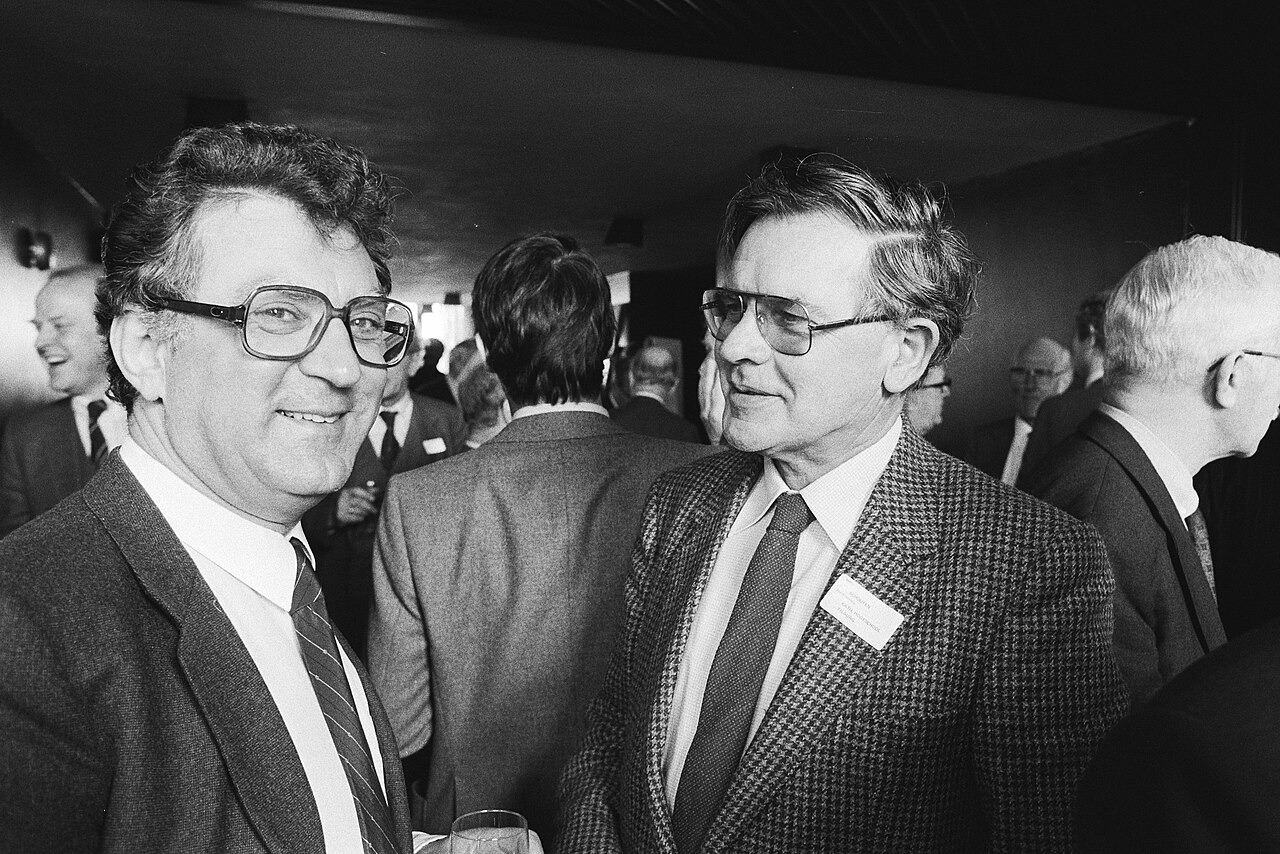
Academic career and roles
Heertje was appointed Professor of Political Economy at the Law Faculty of the University of Amsterdam in 1964, a position he held until 1999. Later he served as Professor in the History of Economic Science from 1997 until 2006 and subsequently held emeritus status. His teaching emphasized the historical development of economic ideas and their practical implications for legal and public policy questions. Heertje's work often aimed to make economic concepts intelligible to non-specialists, including students of law and journalism.
Work, writing and public engagement
Beyond academic publications, Heertje was a prolific writer and columnist. He contributed to public discourse by interpreting economic issues for general readers, intervening in national debates, and critiquing major policy proposals. His interests included the history of economic thought, the social consequences of economic policy, and the ethical dimensions of economic choices. Heertje used the platforms available to him to challenge expert and political consensus when he judged the public interest required it.
Opposition to the Betuweroute
Heertje became widely known to the Dutch public for his opposition to the Betuweroute, a large freight railway project proposed in the Netherlands. He argued against the project on grounds often framed around cost–benefit reasoning, environmental concerns and questions of long-term public value. His stance exemplified his broader habit of subjecting large infrastructure and policy plans to rigorous public scrutiny rather than accepting them on technical or political authority.
Honors and distinctions
- Member of the Royal Netherlands Academy of Arts and Sciences, elected in 1997.
- Emeritus Professor at the University of Amsterdam, recognized for contributions to teaching and the history of economic thought.
- A respected voice in Dutch public debate, combining scholarship with journalism.
Legacy and significance
Heertje's legacy rests on three linked activities: teaching generations of students, writing for both specialists and the wider public, and engaging in policy debates. He helped popularize historical perspectives on economics and promoted a critical, socially aware stance among economists. His combination of academic credentials and public visibility made him an influential figure in late 20th-century and early 21st-century Dutch intellectual life.
For further reference about his life and work see resources linked through general biographical entries: his profile as an economist, his association with the city of Breda where he was born, the wider context of the Netherlands, and notices about his passing in Amsterdam. These items provide starting points for exploring Heertje's publications and public interventions in more detail.
Related articles
Author
AlegsaOnline.com Arnold Heertje — Dutch economist and public intellectual Leandro Alegsa
URL: https://en.alegsaonline.com/art/5790
Sources
- knaw.nl : "Arnold Heertje"
- nos.nl : Econoom Arnold Heertje (86) overleden