
Arnold Rosé — Violinist and Longtime Concertmaster of the Vienna Philharmonic
Overview of Arnold Rosé (1863–1946), Romanian-born Austrian violinist, leader of the Vienna Philharmonic and the Rosé Quartet, collaborator with Mahler, Brahms and Schoenberg, and an important figure in Viennese musical life.
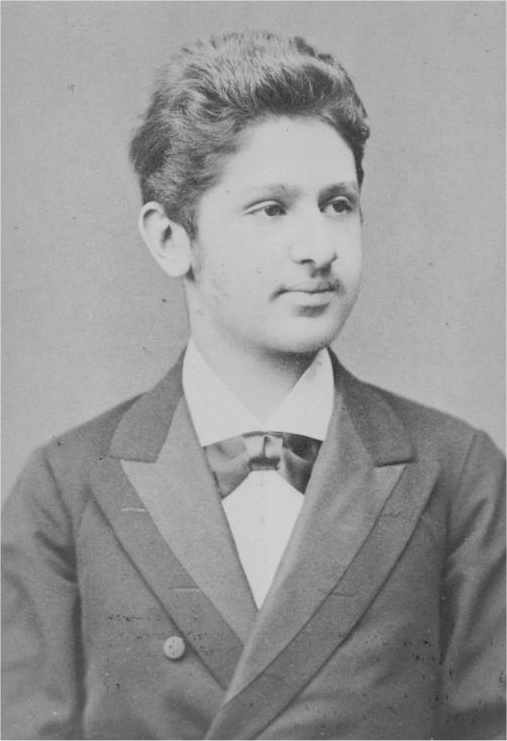
Arnold Josef Rosé was a distinguished violinist and a central figure in Vienna's musical life around the turn of the 20th century. Born in Iaşi (then often written Jassy) in 1863, Rosé moved to Vienna as a child and built a career that combined orchestral leadership, chamber music, teaching and close collaboration with several leading composers of his era. For half a century he served as leader, or concertmaster, of the Vienna Philharmonic, and he led the Rosé Quartet, a chamber ensemble widely admired by contemporaries.
Image gallery
2 Images
Early life and musical formation
Rosé came from a Jewish family whose original surname was Rosenblum. His parents relocated to Vienna so the musical talents of the children could be developed in the city’s rich cultural environment. He began formal instruction as a child and entered the Vienna Conservatory while still young. His early abilities led to rapid advancement: by the early 1880s he was playing as a soloist with major ensembles and was soon offered the post of concertmaster of Vienna’s principal orchestra, a position that demands technical excellence, musical leadership and close collaboration with conductors.
Orchestral role and responsibilities
As concertmaster of the Vienna Philharmonic, Rosé occupied a pivotal musical and organizational role. The concertmaster typically leads the string section, cues entries, shapes bowing and articulation choices, and frequently performs solo passages within orchestral works. Rosé held that responsibility for approximately fifty years, a tenure that made his style and musicianship an influential part of the orchestra’s sound and tradition. During that time the orchestra played both symphonic concerts and opera performances, and its concertmaster often bridged the two worlds.
Chamber music, the Rosé Quartet and collaborations
Alongside his orchestral duties, Rosé devoted substantial energy to chamber music. He formed the Rosé Quartet with three colleagues, including his brother Eduard as cellist. The quartet became renowned for performances of the classical quartet repertoire—Haydn, Mozart and Beethoven—as well as for presenting contemporary works. The ensemble gave early performances of pieces by Johannes Brahms and championed works by younger composers. Rosé’s circle included Gustav Mahler; Rosé later married one of Mahler’s sisters, and his brother Eduard married another, which further entwined their personal and musical lives. The quartet also engaged with modern currents: it helped foster awareness of new music, including works by Arnold Schoenberg and others who were reshaping Viennese composition in the early 20th century.
Personal life, honors and anecdotes
Rosé and his wife raised children who followed musical paths. During his career he received honors that reflected his prominence in Austria’s musical establishment and enjoyed the social respect accorded to leading court musicians of the period. Anecdotes from contemporary accounts—such as a reported moment in which Rosé noticed audience members staring, only to discover a mouse at his feet—capture the human side of life on stage amid formal concert rituals. His long marriage to Vienna’s musical institutions and his distinctive role in both public orchestral life and private chamber performance made him a well-known figure in cultural circles.
Exile, later years and legacy
The political upheavals of the 1930s dramatically altered Rosé’s situation. After the Nazi takeover of Austria in 1938 many Jewish artists faced persecution; Rosé left for England where he spent his final years. He died in London in 1946. His legacy rests on his dual influence as a concertmaster who shaped orchestral practice in Vienna for decades and as the leader of a quartet that left a lasting impression on chamber music performance. Musicians and historians continue to regard his career as an important link between late 19th‑century Viennese musical traditions and the changing artistic currents of the early 20th century.
Quick facts and further resources
- Birthdate reference
- Birth year and early records
- Death date reference
- Death year confirmation
- Professional profile: violinist
- Role: concertmaster
- Place of birth: Iaşi
- Family background: Jewish heritage
- Move to Vienna
- Vienna's musical context
- Father's trade: carriage building
- Historical travel by horse
- Carriage culture in the 19th century
- Early career milestone, 1881
- Solo appearances and concerto repertoire
- Association with conductor Hans Richter
- Repertoire example: violin concertos
- Interest in string quartet literature
- The Rosé Quartet
- Performances of Haydn
- Performances of Mozart
- Performances of Beethoven
- Association with Brahms
- Support for Schoenberg's music
- Relationship with Gustav Mahler
- Work in concert halls
- Work with the opera orchestra
- Anecdotes involving concert imagery
- Stage and hall embellishments
- Stage anecdotes
- A memorable mouse story
- 1938: political changes in Austria
- Emigration to England
- Death in London
The links above are provided as placeholders for further reference and correspond to archival, biographical and historical materials that document Rosé’s life and work. For introductions to related topics—such as concertmaster duties, chamber music practice and Vienna’s musical institutions—consult standard musical reference works and conservatory histories.
Questions and answers
Q: What was Arnold Rosé's profession?
A: Arnold Rosé was a famous violinist. He was the leader (concertmaster) of the Vienna Philharmonic Orchestra for 50 years.
Q: Where did he grow up?
A: Arnold Rosé grew up in Iaşi (Jassy), which is now located in Romania.
Q: How did his family make money?
A: His father was a carriage builder and made good quality carriages, from which he made plenty of money from his business.
Q: When did he start music lessons?
A: Arnold started music lessons when he was seven years old.
Q: What piece did he play at his first performance with the Vienna Philharmonic Orchestra?
A: At his first performance with the Vienna Philharmonic Orchestra, Arnold played the Violin Concerto by Otto Goldmark.
Q: Who were some of the composers that Arnold knew well and performed their works with his quartet?
A; Arnold knew Johannes Brahms, Schoenberg, and Gustav Mahler well, and performed their works with his quartet.
Q:What happened to him after 1938 when Austria was taken over by Nazis? A: After 1938 when Austria was taken over by Nazis, life became very difficult for Jewish people including Arnold so he had to save himself by going to England where he stayed for most of his remaining years before passing away in London.
Tags
Related articles
Author
AlegsaOnline.com Arnold Rosé — Violinist and Longtime Concertmaster of the Vienna Philharmonic Leandro Alegsa
URL: https://en.alegsaonline.com/art/5797