
University of Amsterdam (UvA)
Public research university in Amsterdam, founded from a 17th-century predecessor and formally established in 1877; large, multidisciplinary institution with about 31,000 students and an urban campus.
The University of Amsterdam (commonly abbreviated UvA) is a major public research university based in the city of Amsterdam. It is organized as a state-funded institution (a public university) serving a broad range of academic fields. The modern university traces its roots to the 17th-century Athenaeum Illustre (founded 1632) and received formal university status in 1877, developing since then into one of the Netherlands' principal centers for higher education located in the province of North Holland, whose capital city is also the national capital of the Netherlands (Amsterdam).
Image gallery
10 Images



Organization and campus
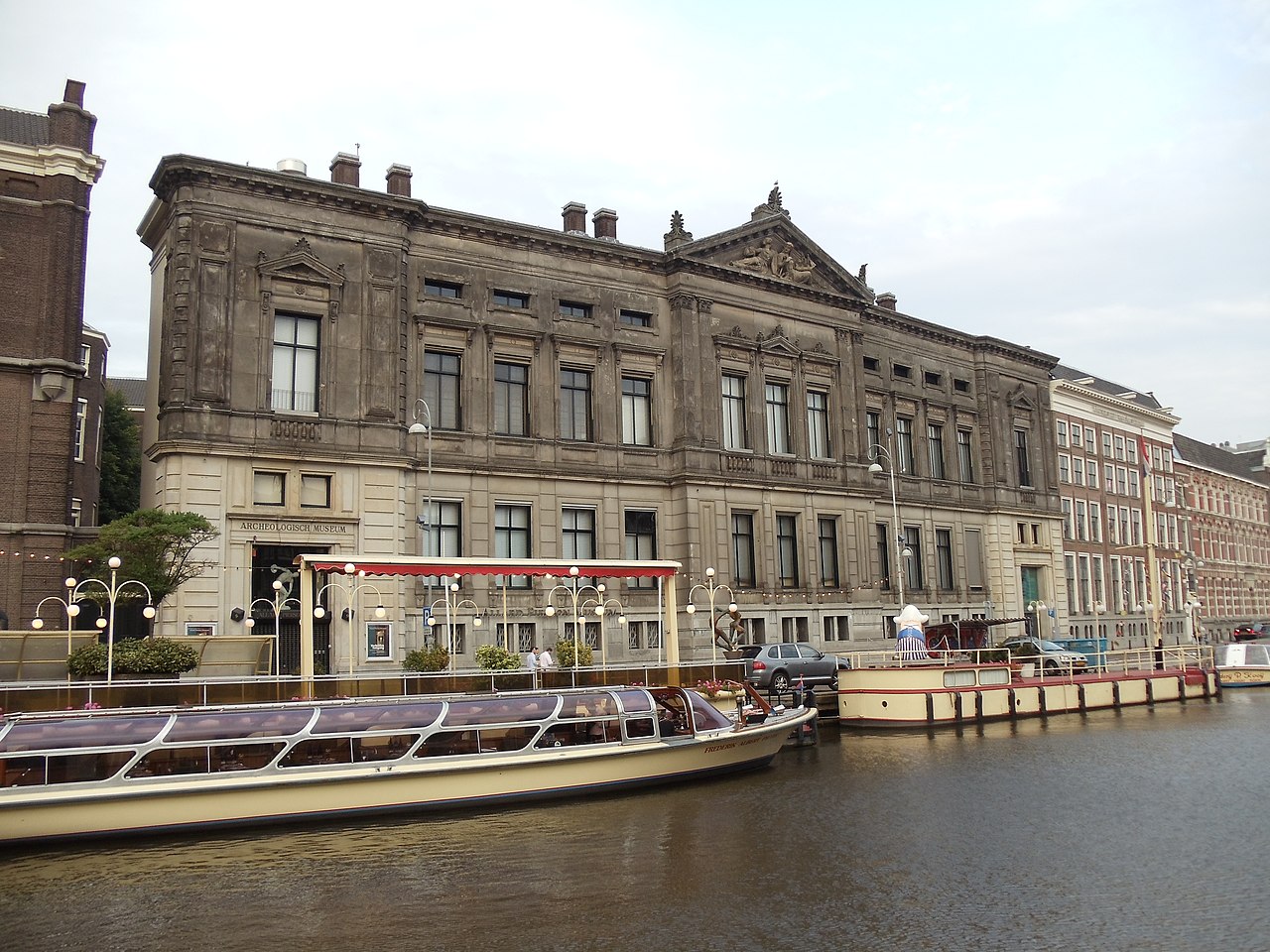
UvA operates a largely urban campus spread across central and southern areas of Amsterdam rather than a single enclosed site. Academic and administrative activities are distributed among faculty buildings, research institutes, libraries and cultural collections embedded in the city fabric. The university is divided into several broad faculties and departments that cover the humanities, social sciences and behavioural sciences, law, economics and Business, exact sciences, and medical and health sciences.
Academic profile and research
As a comprehensive research university, the UvA supports basic and applied research across disciplines. It hosts numerous specialized research institutes and collaborative centers that address topics from fundamental physics and biomedical science to urban studies, law, and cultural history. Medical education and clinical research are carried out in close partnership with Amsterdam UMC, a major academic medical center serving the region.
Programs, students and internationalization
The university offers a wide spectrum of Bachelor's, Master's and doctoral programs, many of which are available in English to serve an international student body. Enrollment is roughly 31,000 students, including a significant proportion of international students and exchange participants. Teaching methods combine lectures, seminars and research supervision, and many programs emphasize interdisciplinary study and practical relevance.
History, impact and distinct features
UvA's development from a 17th-century teaching institution to a modern university reflects the broader growth of higher education in Europe. Its urban setting makes it closely connected to Amsterdam's cultural life, museums and civic institutions; UvA collections and public programs contribute to the city's intellectual and cultural infrastructure. The university is recognized for its multidisciplinary range, extensive research activity, and role as a training ground for professionals in government, business, education and the arts.
- Broad disciplinary coverage: humanities to natural sciences.
- Urban, distributed campus integrated with the city.
- International programs and research collaborations.
For official information about admissions, faculties and research initiatives consult the university's primary resources and guides provided by the institution itself: official university portal and local municipal or provincial pages about Amsterdam and North Holland.
Related articles
Author
AlegsaOnline.com University of Amsterdam (UvA) Leandro Alegsa
URL: https://en.alegsaonline.com/art/103203