
Arnold Palmer: Life, Career, and Legacy of a Golfing Icon
Comprehensive overview of Arnold Palmer: his life, major victories and style, business and charitable work, and the lasting influence he left on golf and popular culture.
Arnold Daniel Palmer (September 10, 1929 – September 25, 2016) was an American professional golfer whose charisma, bold playing style and media presence helped bring golf into the television age. Widely known to fans as "The King", Palmer combined on-course success with a talent for promotion and personal connection that made him one of the most recognizable athletes of his era.
Image gallery
7 Images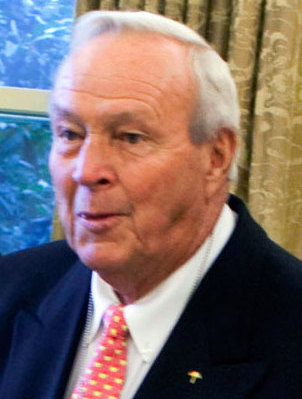

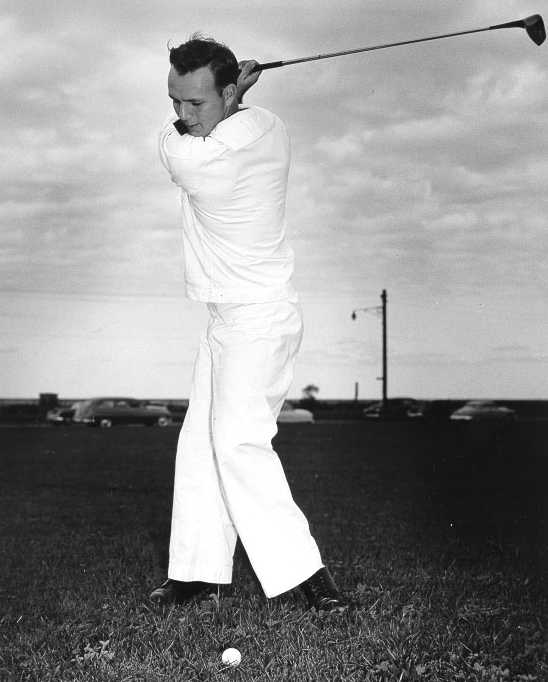
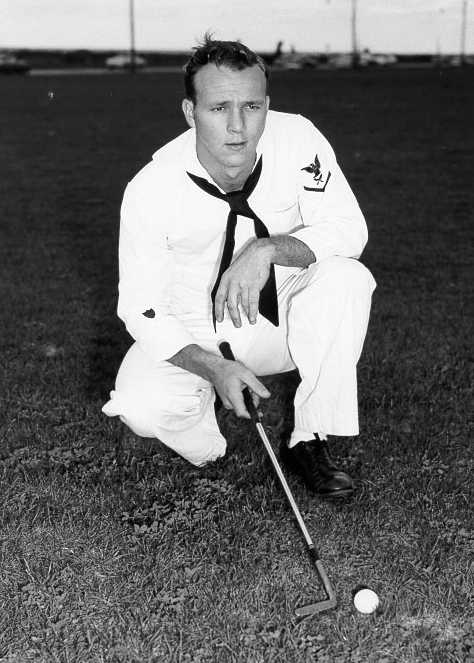


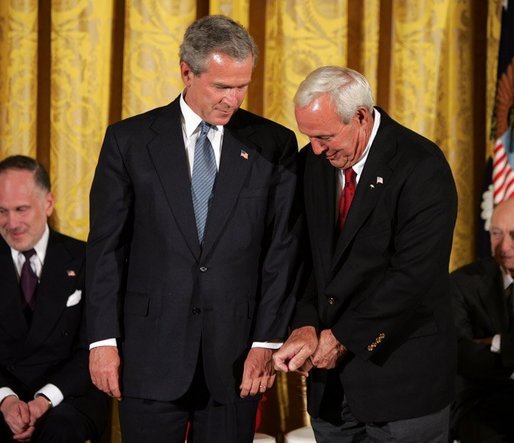
Early life and amateur development
Palmer was born and raised in Latrobe, Pennsylvania, where his father was a greenskeeper and taught him the fundamentals of the game. He excelled as an amateur and played collegiate golf while attending Wake Forest College. Those formative years — practicing at a local club and competing in regional events — helped shape his competitive temperament and approachable public persona.
Professional career and major championships
Turning professional in the 1950s, Palmer became one of the era's dominant players. He won seven major championships in his career: four Masters Tournament titles, one U.S. Open and two Open Championships, and he accumulated many victories on the PGA Tour. Beyond raw statistics, Palmer's willingness to attack shots and to take risks produced exciting finishes that drew large galleries and television audiences.
Playing style and popularity
Palmer's game was marked by an aggressive, confidence-driven approach and a magnetic relationship with spectators. Fans who followed him closely were often called "Arnie's Army," reflecting the loyalty he inspired. His ability to engage with media and fans, combined with pivotal wins at events such as the Masters Tournament, the U.S. Open and The Open Championship, made him a central figure in golf's rise as a televised sport.
Business, media and philanthropy
Off the course, Palmer developed a broad business profile: he lent his name to product lines, worked in course design and served as a broadcaster and ambassador for the game. A popular non-alcoholic drink — a blend of iced tea and lemonade commonly known by his name — became part of his public image. He was also active in charitable work, supporting medical, youth and community programs, and his name is associated with hospitals and foundations that reflect his long-term philanthropic commitments.
Personal life, later years and death
Palmer remained engaged with golf through tournament appearances, senior competition and public events into his later decades. He continued to be celebrated for his sportsmanship, approachability and role in popularizing golf. Palmer died on September 25, 2016, at a hospital in Pittsburgh after complications related to heart problems while awaiting heart surgery. He was widely mourned by the golfing community and by fans around the world.
Legacy
Arnold Palmer's legacy is both athletic and cultural. He helped transform golf into a spectator and television sport, inspired generations of players and fans, and demonstrated how an athlete could build enduring business and philanthropic ventures while remaining closely connected to his hometown roots. References to his life and career continue to appear in histories of the game and in institutions that preserve his memory.
Notable facts
- Raised in Latrobe, he often acknowledged the influence of his early mentors and community.
- Attended Wake Forest, where he developed as an amateur competitor.
- His major wins include multiple Masters titles and victories at other major championships, helping to define a golden era of golf.
- Combined sporting success with business ventures and philanthropy, leaving institutions and programs that continue to operate in his name.
Further reading and resources on Palmer's life, career statistics and charitable work are available through sports archives, golf histories and organizations that maintain records of major tournaments and hall-of-fame inductees. For more detailed biographies and career timelines consult dedicated sports collections and curated profiles maintained by golf institutions and museums.
Tags
Related articles
Author
AlegsaOnline.com Arnold Palmer: Life, Career, and Legacy of a Golfing Icon Leandro Alegsa
URL: https://en.alegsaonline.com/art/5792
Sources
- pgatour.com : "Arnold Palmer Official profile"
- yahoo.com : "Arnold Palmer dies at 87, made golf popular for masses"
- golf.com : "Report: Arnold Palmer's Death Due to Heart Complications"