
Liberation Tigers of Tamil Eelam (LTTE)
An armed Tamil nationalist organization that fought for an independent Tamil state in Sri Lanka, known for its military wings, suicide tactics, and defeat in 2009; controversial legacy and international designation.
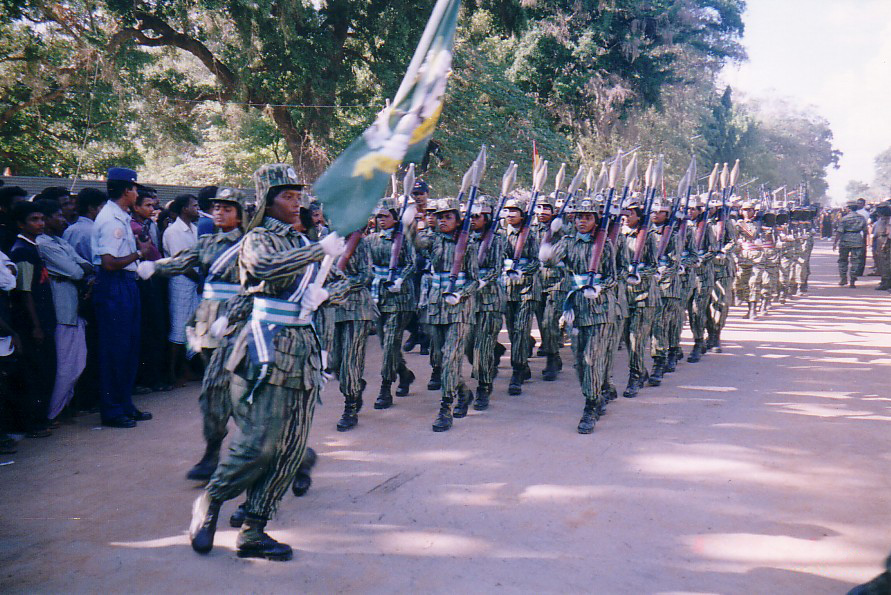
The Liberation Tigers of Tamil Eelam (LTTE), commonly called the Tamil Tigers, was an armed organization that fought a prolonged insurgency in Sri Lanka. Formed with the aim of creating an independent Tamil homeland often referred to as Tamil Eelam, the LTTE engaged in conventional and guerrilla operations against the Government of Sri Lanka during the long-running Sri Lankan Civil War. The group became one of the most prominent non-state military forces in South Asia and attracted widespread attention for both its organizational sophistication and its contentious tactics.
Image gallery
9 Images


Origins and ideology
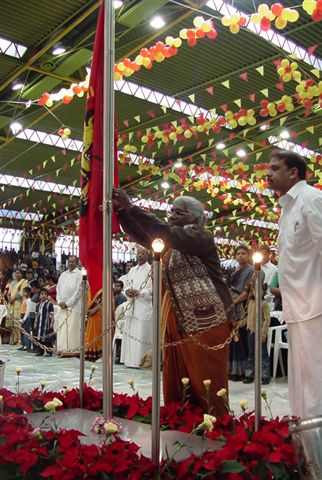
The LTTE grew out of post-colonial grievances among Sri Lanka's Tamil minority, including perceived discrimination in language, education and employment. It adopted a Tamil nationalist platform that called for a separate state. The movement was founded and led for decades by Velupillai Prabhakaran (Prabhakaran), who organized the group into political, military and support branches. The aspiration for an independent Tamil territory—referred to in LTTE rhetoric as Tamil Eelam—drew recruits from local and diaspora communities of ethnic Tamil origin.
Organization, tactics, and capabilities
The LTTE developed distinct armed wings and administrative structures. Notable components included ground forces, a naval unit called the Sea Tigers, and an emergent air wing. The organization employed ambushes, artillery, conventional assaults and asymmetric methods. It is widely noted for pioneering the systematic use of suicide attacks as a battlefield and political tool. Human rights organizations and governments also documented forced recruitment, including of children, targeted assassinations, and attacks that caused civilian casualties.
- Military wings: land units, maritime operations (Sea Tigers), and a small air capability.
- Political arm: governance structures in areas it controlled, taxation and civilian services.
- Tactics: guerrilla warfare, suicide bombings, naval interdiction and targeted killings.
Major events and international response
Conflict between Tamil militants and the state intensified after communal riots and political breakdowns in the late 20th century. The LTTE fought Indian security forces and other Tamil groups at various points; relations with Indian authorities were complex and culminated in armed clashes and political fallout. Other Tamil militant organizations in India, such as the Tamil Nadu Liberation Army, operated in nearby regions of South India, sometimes independently of the LTTE. The LTTE carried out high-profile attacks including the assassination of political figures; among those killed was Sri Lankan President Ranasinghe Premadasa (Premadasa). The killing of former Indian Prime Minister Rajiv Gandhi in 1991 has also been attributed to LTTE operatives, which significantly affected the group's international standing.
Several countries and international organizations designated the LTTE as a terrorist organization, citing its use of suicide bombings, attacks on civilians and targeted assassinations. At times there were ceasefires and peace talks, including a internationally mediated ceasefire in the early 2000s, but hostilities resumed until the Sri Lankan military defeated the LTTE in 2009. The death of Prabhakaran in the final phase marked the collapse of the LTTE's chain of command and its control over territory.
Aftermath and legacy
The conflict left deep social, economic and political scars in Sri Lanka. Post-war debates have focused on accountability for wartime abuses, reconciliation between communities, demining and the resettlement of displaced people. The LTTE's methods and fate remain subjects of study: some view it as a nationalist insurgency born of discrimination, while others emphasize its record of violence and abuses. The Tamil diaspora that once supported or sympathized with the cause has had a complicated role in post-war advocacy and aid, and the end of the LTTE did not fully resolve underlying ethnic and political tensions.
The LTTE's history illustrates how ethno-political grievances, external interventions and evolving insurgent tactics can produce prolonged conflict with enduring humanitarian and political consequences. For further context, see resources on the broader conflict and political developments in Sri Lanka: Sri Lankan Civil War, Government of Sri Lanka, and discussions of Tamil nationalism and regional security linked above.
Related articles
Author
AlegsaOnline.com Liberation Tigers of Tamil Eelam (LTTE) Leandro Alegsa
URL: https://en.alegsaonline.com/art/57725