
Leyton, East London — history, character and notable features
Leyton is a district in the London Borough of Waltham Forest in northeast London, noted for Victorian housing, local high streets, Leyton Orient football club and proximity to Stratford and the Olympic Park.
Leyton is an urban district in northeast Greater London, forming part of the broadly defined East London area. Administratively it lies within the London Borough of Waltham Forest and is located roughly 6 miles northeast of Charing Cross. Its boundaries adjoin the districts of Walthamstow and Leytonstone, the Stratford area in the Borough of Newham, and parts of the London Borough of Hackney. The district combines residential streets, local shopping parades and public open spaces along the Lea Valley.
Image gallery
10 Images


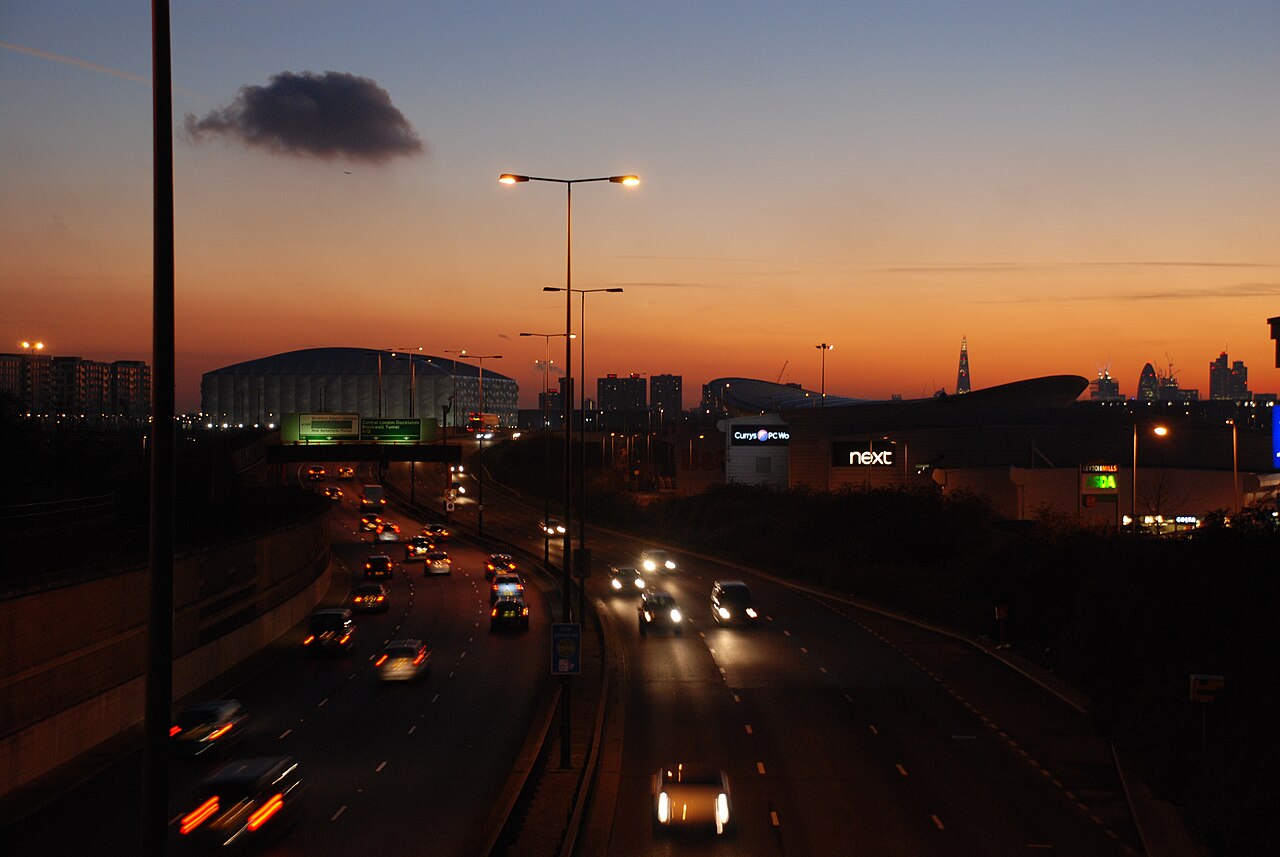


Geography and transport
Leyton occupies a position close to the River Lea and the Lea Valley corridor, a landscape of parks, waterways and sports fields. Transport links into central and east London are strong: Leyton tube station on the Central line provides a direct route into the city, while frequent bus services and nearby rail connections link the area with Stratford and other suburban centres. The development of the Queen Elizabeth Olympic Park to the south-east has altered travel patterns and improved access to new walking and cycling routes.
History and development
Historically a rural parish, Leyton expanded during the 19th century as London grew. Railways and road improvements encouraged housing development and the arrival of shops, schools and public buildings. Many streets still show Victorian and Edwardian domestic architecture, including terraces and semi-detached houses, while later 20th‑century changes added council housing and small industrial premises. Over time local government arrangements were adjusted as surrounding suburbs became more integrated into metropolitan London.
Housing, architecture and conservation
The built character of Leyton is varied. Large parts of the district are characterised by Victorian terraced housing and interwar suburban estates. Conservation areas protect selected groups of buildings and streetscapes, and there are ongoing programmes of home renovation and selective infill development. Recent pressures for new housing and changes in the local market have prompted debates about density, design and the retention of local shops and amenities.
Economy, high streets and community life
High Road Leyton and adjacent shopping streets host a mix of independent retailers, cafes, takeaways and small services serving the local population. Community facilities include libraries, community centres and sports clubs. Local markets and events contribute to a neighbourhood atmosphere, and a variety of voluntary organisations support cultural and social activities across the district.
Parks, leisure and the Olympic legacy
Open spaces and playing fields are concentrated around the Lea Valley floodplain; these provide recreational opportunities and wildlife habitats. The proximity of the Queen Elizabeth Olympic Park has brought investment, improved pedestrian and cycle links, and new leisure facilities within easy reach of Leyton, while also generating discussion about socio-economic change in adjacent neighbourhoods.
Sport and identity
Sport plays a visible role in local life. The professional football club Leyton Orient F.C. is a long-established presence, and local amateur clubs, athletics and grassroots sport are active in parks and on playing fields. Match days and club activities contribute to civic identity and community engagement.
Education and services
Leyton is served by a range of primary and secondary schools, further education providers nearby and health and social services provided by the borough. Local transport and community centres support access to education and adult learning opportunities, while health facilities and family services are coordinated through borough arrangements.
Governance and future prospects
Local planning and neighbourhood initiatives are managed through the London Borough of Waltham Forest and community groups. Policy objectives seek to balance the conservation of historic character with the need for new homes and improved infrastructure. Continued investment linked to nearby regeneration offers opportunities for local jobs and services, while residents and civic organisations remain active in shaping change.
For more context on neighbouring areas and travel, see material about Walthamstow, Stratford and Hackney, and consult wider Greater London resources (regional, east London) or central references (central London) for orientation.
Related articles
Author
AlegsaOnline.com Leyton, East London — history, character and notable features Leandro Alegsa
URL: https://en.alegsaonline.com/art/57642