
Lewes, East Sussex: town, history and cultural highlights
Lewes is a historic market town in East Sussex, England, known for its Norman castle and priory ruins, the 1264 Battle of Lewes, annual Bonfire Night traditions, and lively cultural and retail scene.
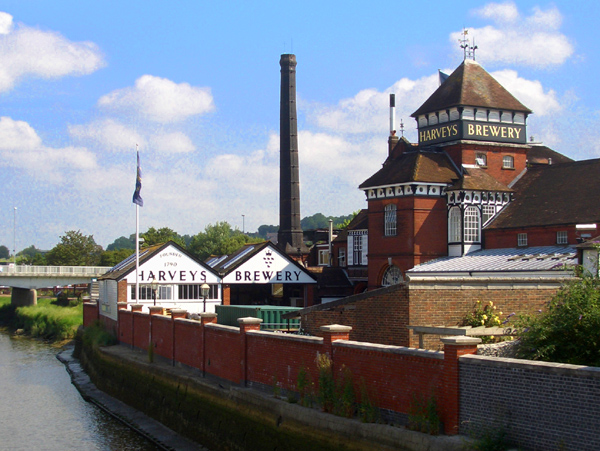
Lewes is a compact historic town in East Sussex in southern England. It sits where the River Ouse cuts through the South Downs and serves as a local centre for government, retail and culture. The town combines medieval streets and surviving historic buildings with modern shops, cafés, pubs and hotels, attracting visitors and supporting a varied local economy.
Image gallery
10 Images



Historical overview
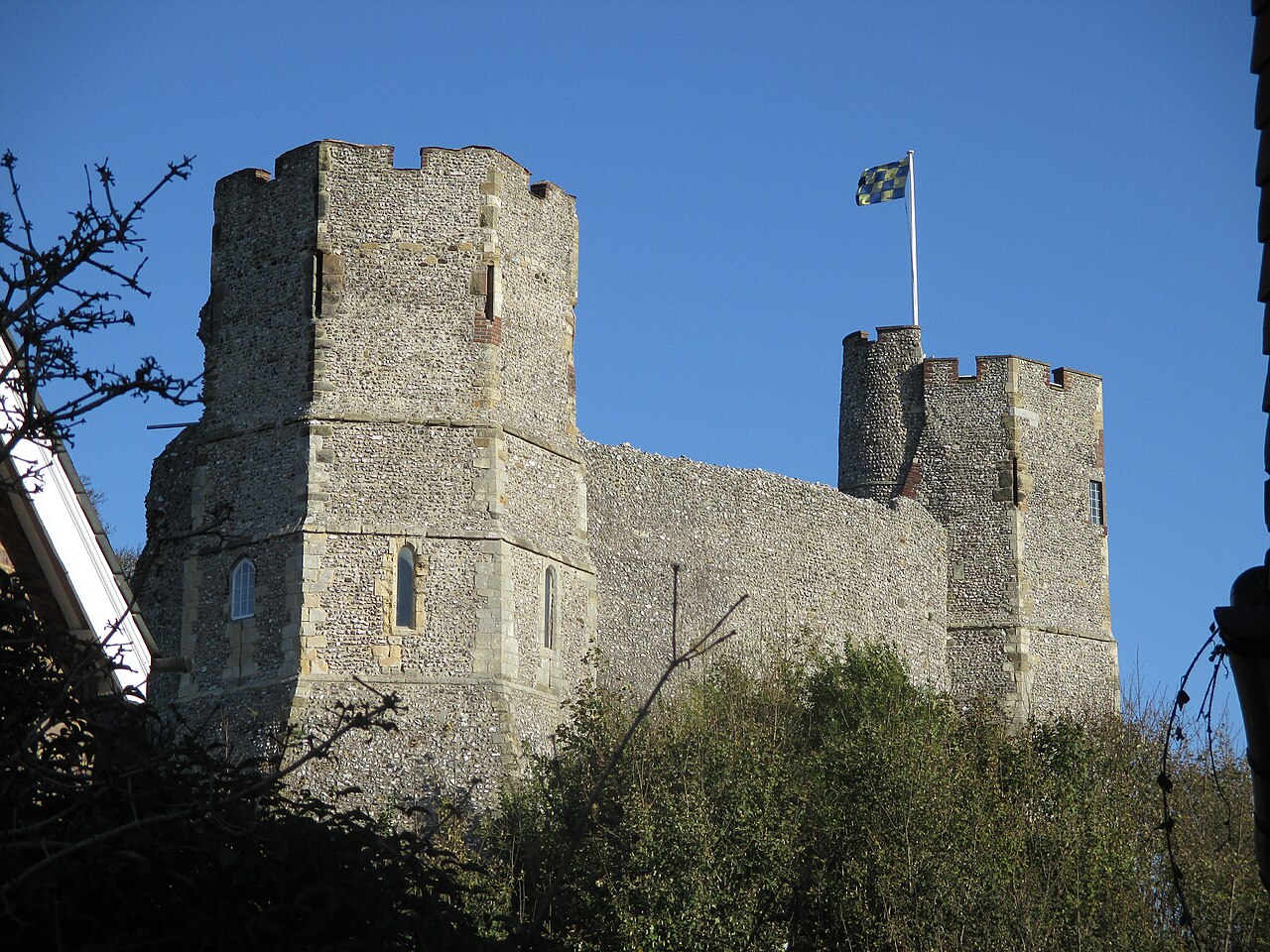
Lewes has deep medieval roots: a Norman castle dominates the skyline and the ruins of Lewes Priory attest to its monastic past. The town is also remembered for the Battle of Lewes in 1264, a key conflict in the baronial wars of the thirteenth century fought between forces led by Simon de Montfort and those loyal to King Henry III; accounts of the clash are central to its historic identity. Over centuries the town expanded around the castle, market square and river crossings.
Layout, landmarks and architecture
Characteristic features include narrow, winding streets, timbered and flint-fronted buildings, and prominent medieval remains. Landmarks often noted by visitors are the castle keep, priory ruins and riverside walks. The surrounding chalk hills of the South Downs give Lewes a distinctive setting and offer easy access to countryside routes and viewpoints.
Culture, events and economy
Lewes is known for strong local traditions and an active cultural calendar. Informal markets, independent shops and a busy hospitality sector contribute to the town’s appeal. Notable cultural events include the town’s distinctive Bonfire Night commemorations and various arts and music activities. The nearby Glyndebourne opera house and other regional attractions add to tourism and employment opportunities.
Notable facts and practical information
- Historic site: visitors can explore the castle and priory remains and learn about the town’s medieval development.
- Battle of Lewes: the 1264 engagement is an important episode in national medieval history; for more on the battle see related summaries.
- Local governance and services are provided from the town, which functions as a centre for surrounding villages and parishes; see official local resources via East Sussex links.
- Context: Lewes’s medieval associations are set within the broader history of medieval England and royal government under Henry III.
Population figures have varied over time; in the early twenty‑first century the town had roughly sixteen thousand inhabitants and has seen steady local development since. Lewes remains widely regarded as one of Sussex’s most historically rich towns and a popular base for exploring the Downs and coastal areas.
Related articles
Author
AlegsaOnline.com Lewes, East Sussex: town, history and cultural highlights Leandro Alegsa
URL: https://en.alegsaonline.com/art/57586