
Lewis and Harris: geography, culture and heritage of Scotland's largest island
Comprehensive overview of Lewis and Harris in the Outer Hebrides: geography, geology, history, communities, culture, economy, wildlife and administration, with key places and traditions.
Overview
Lewis and Harris form the largest single island in Scotland and one of the largest islands of the British Isles. The landmass lies in the north-west of Scotland among the archipelago commonly called the Outer Hebrides, and is often referred to by its two traditional names rather than by one unified placename. The principal town and administrative centre is Stornoway, on the northeast coast, which acts as the island's main service, transport and commercial hub. In everyday usage the areas are called Lewis (the north) and Harris (the south), with a line of sea lochs—Loose boundaries including Loch Resort and Loch Seaforth—marking the conventional division.
Image gallery
10 Images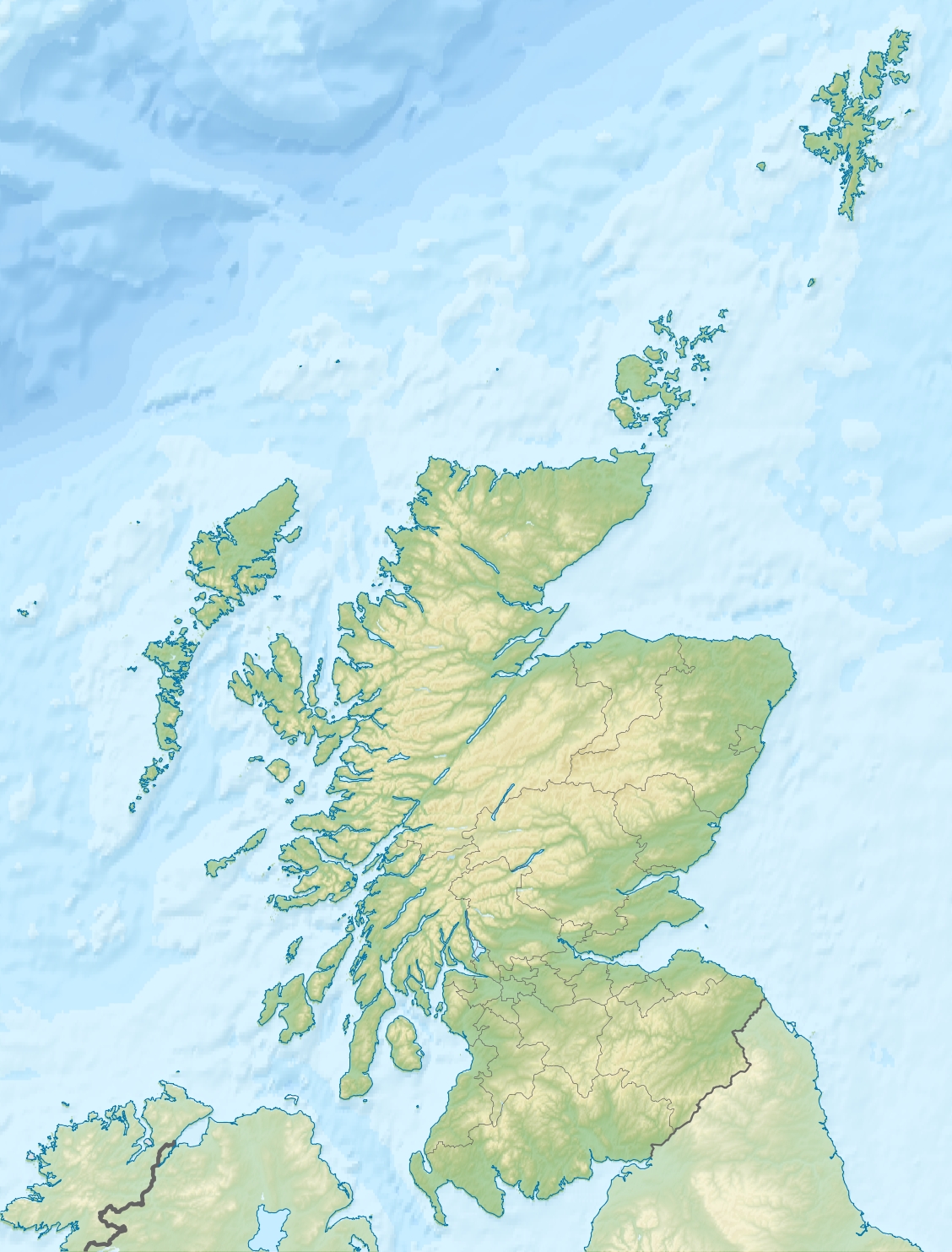


Geography, geology and climate
The island's landscape is varied: flat peat-covered plains and machair grasslands give way to rugged hills, rocky coastlines and sheltered sea lochs. Much of the bedrock is among the oldest in Europe, commonly referred to as Lewisian gneiss, producing dramatic exposures and a generally rocky terrain. Extensive machair—fertile, low-lying coastal grassland—supports a mix of wildflowers and traditional crofting activities, while white-sand beaches and dunes attract visitors. The maritime climate is cool and changeable, with strong winds and frequent rain or drizzle at times, tempered by the surrounding sea which moderates extremes compared with inland Scotland.
Archaeology and history
Human occupation dates back many millennia. Neolithic monuments and Bronze Age burial cairns are well represented; perhaps the best-known prehistoric site is the Callanish stone arrangement on Lewis, a major ritual landscape of standing stones. Viking and Norse presence left linguistic and place-name traces before the islands were incorporated into the Scottish kingdom. Later history saw the development of clan society, landholding patterns and the shift to modern local government: until 1975 Lewis was in Ross and Cromarty and Harris in Inverness-shire, but both areas are now administered within the Western Isles (Comhairle nan Eilean Siar).
Language, culture and clans
Scottish Gaelic remains a living language and an important element of local identity, used in daily life, place names and cultural expression. Traditional music, song, storytelling and community events continue to be significant. The island is associated with historic Highland clans, notably Clan MacLeod and Clan Morrison, whose ancestral connections and local heritage are celebrated through gatherings, museums and clan histories. Textile craft—above all Harris Tweed, a handwoven cloth finished in the islands and protected by law—remains a symbol of local craft skills and cultural continuity.
Economy, communities and transport
Communities range from the relatively densely settled town of Stornoway to dispersed crofting townships and small villages across Lewis and Harris. Traditional livelihoods such as crofting, small-scale fishing and weaving coexist with public services, tourism and niche manufacturing. Harris Tweed production involves home-based weaving and island finishing under a protected designation, supporting families and local businesses. The islands are served by ferry links to the Scottish mainland and neighbouring isles and by air services via Stornoway Airport, providing lifeline connections for people, goods and visitors.
Wildlife, environment and conservation
Coastal and marine habitats support seabird colonies, waders, and marine mammals including seals and occasional dolphins. Machair systems, dune complexes and peatlands are ecologically important and often the focus of conservation measures because they host rare plant species and nesting birds. Peatlands are also valued as carbon stores and as part of traditional land management. Efforts to balance conservation with community livelihoods are an ongoing feature of island planning and land use debates.
Places of interest and further resources
Visitors and researchers are drawn to archaeological sites, dramatic coastal scenery, remote beaches and cultural events. Practical information and visitor services are available through local centres in Stornoway and through wider regional resources on Scotland and the British Isles. For background on the island's place in broader geography see references to Great Britain and Ireland in comparative accounts. Historical and genealogical readers may consult materials on clan traditions and island history, for example sources summarised under clan histories.
- Principal town: Stornoway
- Traditional industries: weaving (Harris Tweed), crofting, fishing
- Key features: machair, white-sand beaches, standing stones and Norse place names
- Administration: presently within the Western Isles local authority; formerly split between Ross and Cromarty and Inverness-shire
For maps, practical travel guidance and more detailed historical or ecological studies consult local archives, regional guidebooks and specialist publications. General introductions and official tourist information are available through regional resources and visitor organisations referenced above.
Questions and answers
Q: What is the largest island in Scotland?
A: The largest island in Scotland is Lewis and Harris in the Outer Hebrides.
Q: What is the area of Lewis and Harris?
A: The area of Lewis and Harris is 2,177 square kilometers (841 sq mi).
Q: Is Lewis and Harris one or two islands?
A: Lewis and Harris is one island, but the northern part is called Lewis and the southern part is called Harris.
Q: What is the boundary between Lewis and Harris?
A: The boundary between Lewis and Harris is formed by a line with Loch Resort on the west and Loch Seaforth on the east.
Q: What is the main town in Lewis and Harris?
A: The main town in Lewis and Harris is Stornoway in Lewis.
Q: Who did Lewis belong to until 1975?
A: Until 1975, Lewis belonged to the county of Ross and Cromarty.
Q: Who is the island group's ancestral homeland?
A: The island group's ancestral homeland is the Highland Clan MacLeod and the Clan Morrison.
Related articles
Author
AlegsaOnline.com Lewis and Harris: geography, culture and heritage of Scotland's largest island Leandro Alegsa
URL: https://en.alegsaonline.com/art/57592